Common Food Safety Mistakes People Make at Home (And How to Avoid Them)
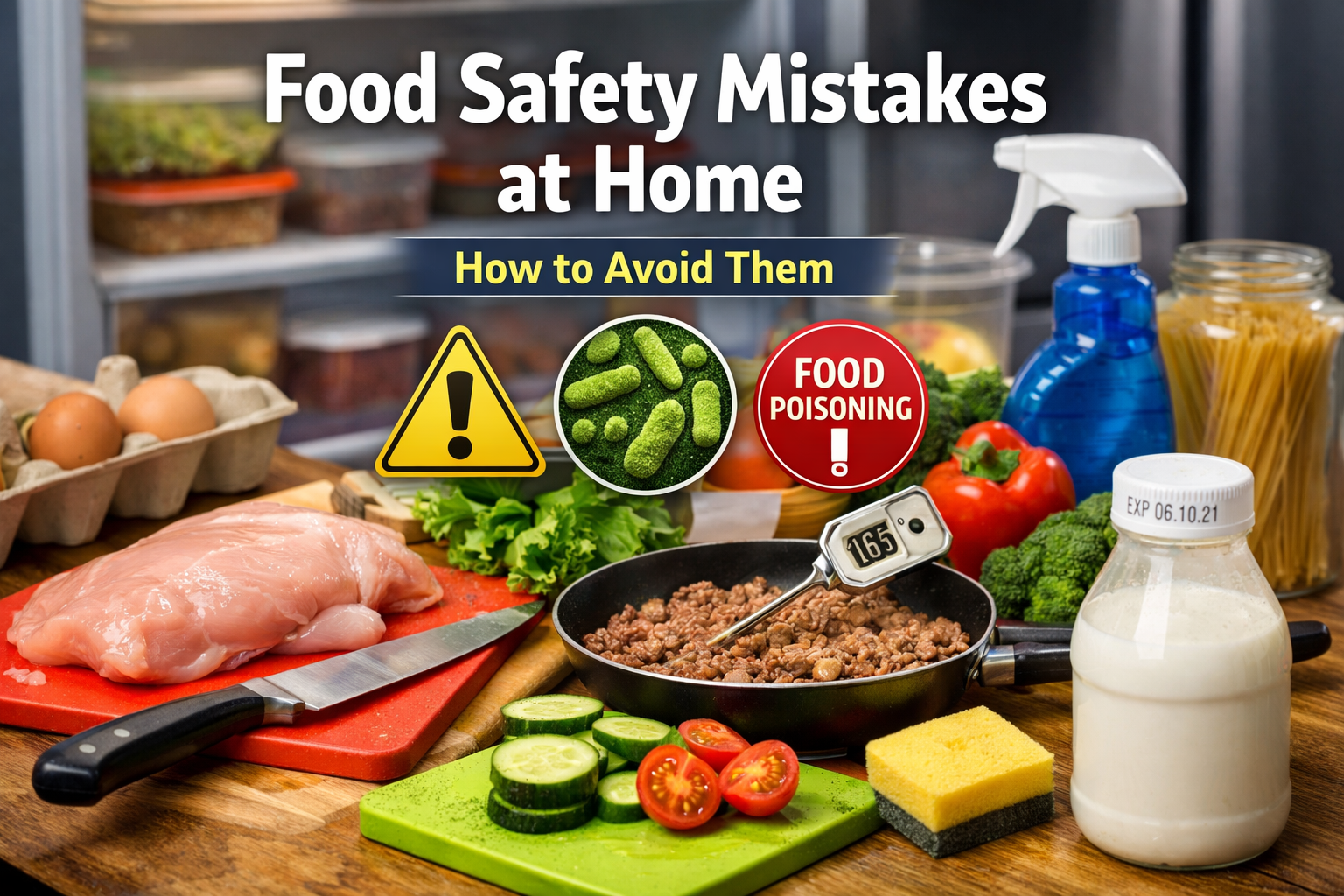
Food safety is not only a concern for restaurants and food companies — it starts right in our kitchens. Every day, many people unknowingly make simple mistakes while handling food that can lead to food poisoning, stomach infections, and long-term health problems.
Understanding basic food safety habits can protect your family and prevent avoidable illness.
Why Food Safety at Home Matters
Bacteria such as Salmonella, E. coli, and Listeria can grow quickly when food is not handled properly. Unlike spoiled food that smells bad, contaminated food may look completely normal.
That means small kitchen habits can make a big difference.
1. Not Washing Hands Properly
Many people rinse their hands quickly and assume they are clean. Proper handwashing should involve soap and at least 20 seconds of scrubbing.
Risk: Germs from hands can transfer directly to food, especially ready-to-eat meals.
What to do: Wash hands before cooking, after touching raw meat, after using the restroom, and after handling garbage.
2. Cross-Contamination
Using the same knife or cutting board for raw meat and vegetables without cleaning it spreads bacteria.
Risk: Raw meat juices can contaminate foods that won’t be cooked again.
What to do: Use separate cutting boards for raw meats and fresh produce. Clean surfaces with hot, soapy water.
3. Improper Food Storage
Leaving cooked food out for too long allows bacteria to multiply.
Risk: Food left at room temperature for over two hours becomes unsafe.
What to do: Refrigerate leftovers quickly in sealed containers.
4. Not Cooking Food Thoroughly
Undercooked food, especially meat and poultry, can contain harmful bacteria.
Risk: This is a major cause of food poisoning.
What to do: Ensure food is fully cooked. Meat should not be pink inside, and juices should run clear.
5. Refreezing Thawed Food
Some people thaw frozen food and refreeze it again.
Risk: Each thawing cycle increases bacterial growth.
What to do: Only thaw what you plan to cook immediately.
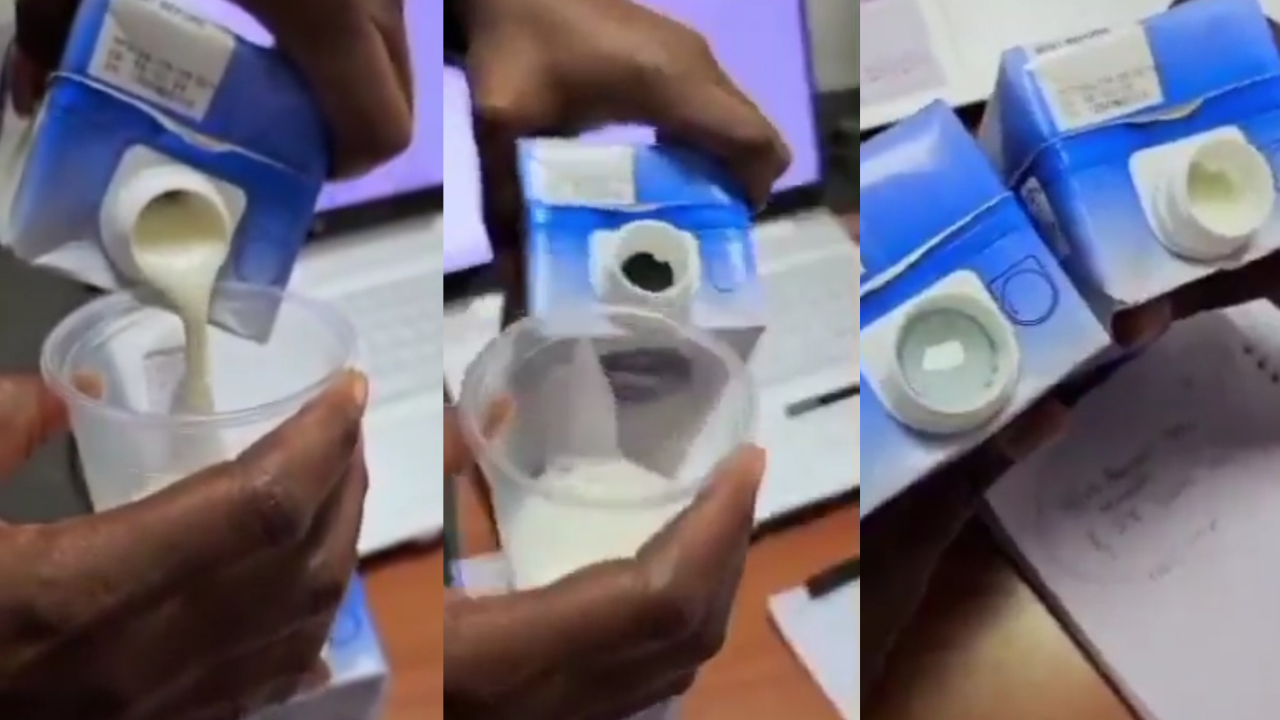
6. Ignoring Expiry Dates
“Looks fine” does not always mean “safe to eat.”
Risk: Expired foods may contain harmful bacteria.
What to do: Always check expiry dates before cooking or eating.
7. Poor Refrigerator Organization
Storing raw meat above cooked food allows drips to contaminate other meals.
What to do: Store raw meat on the bottom shelf in sealed containers.
Signs of Food Poisoning
Symptoms may include:
- Stomach cramps
- Vomiting
- Diarrhea
- Fever
If symptoms are severe or persistent, seek medical attention.
Final Thoughts
Food safety is not complicated — it’s about consistency. Small daily habits can prevent serious health issues. Keeping your kitchen clean, storing food correctly, and cooking meals properly can protect your household from avoidable illness.
Safe food handling is one of the easiest ways to safeguard your family’s health.