Why Fire Outbreaks Increase During Nigeria’s Dry Season and How to Prevent Them
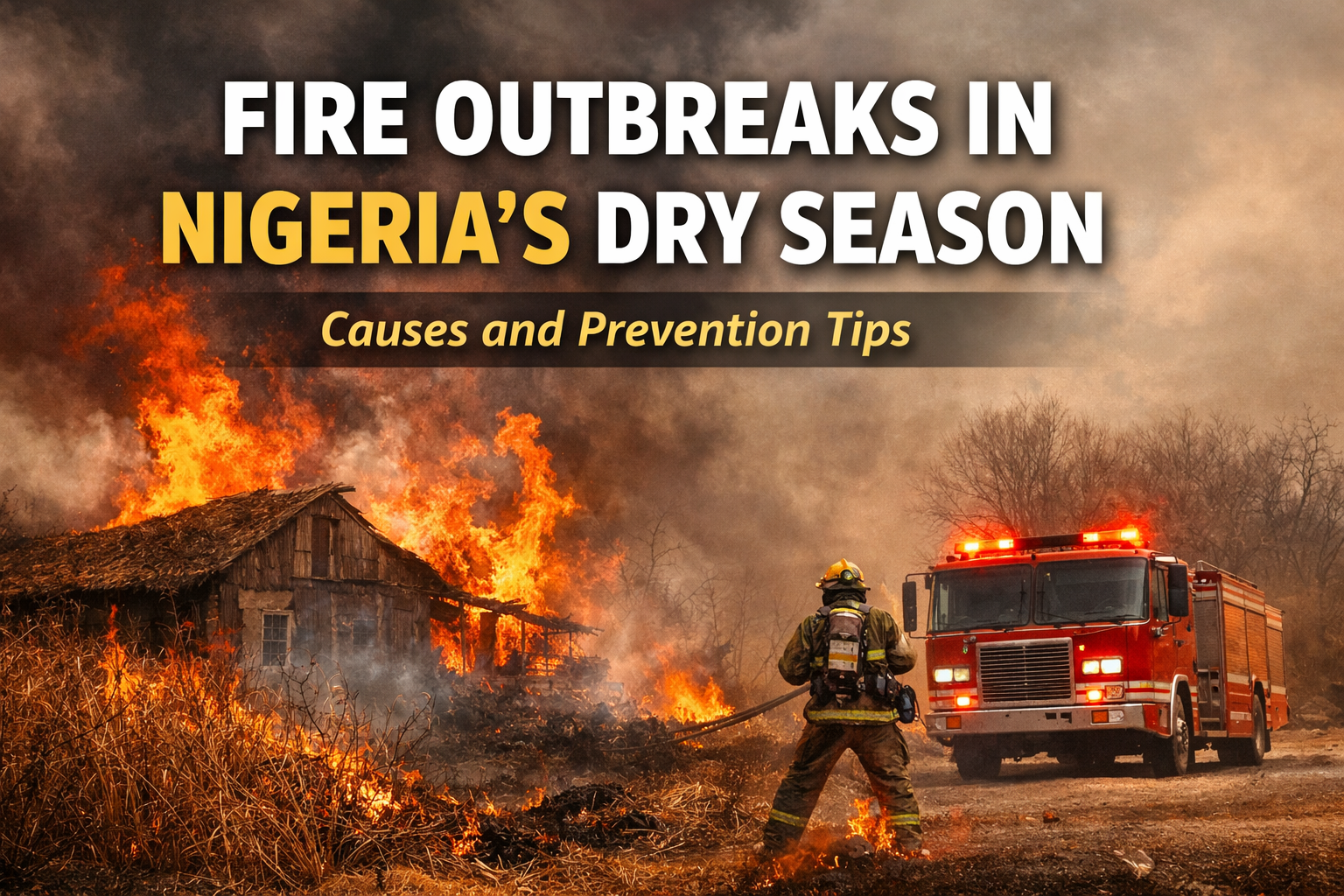
Fire outbreaks are a recurring problem in Nigeria, especially during the dry season. Every year, homes, businesses, and communities face the risk of devastating fires, causing loss of property, injuries, and sometimes fatalities. Understanding the causes and how to prevent them is essential for everyone.
Main Causes of Fire Outbreaks
1. Dry Weather and Environmental Conditions
During the dry season, vegetation, wooden structures, and even household items become highly flammable. Sparks or open flames can quickly escalate into a large fire.
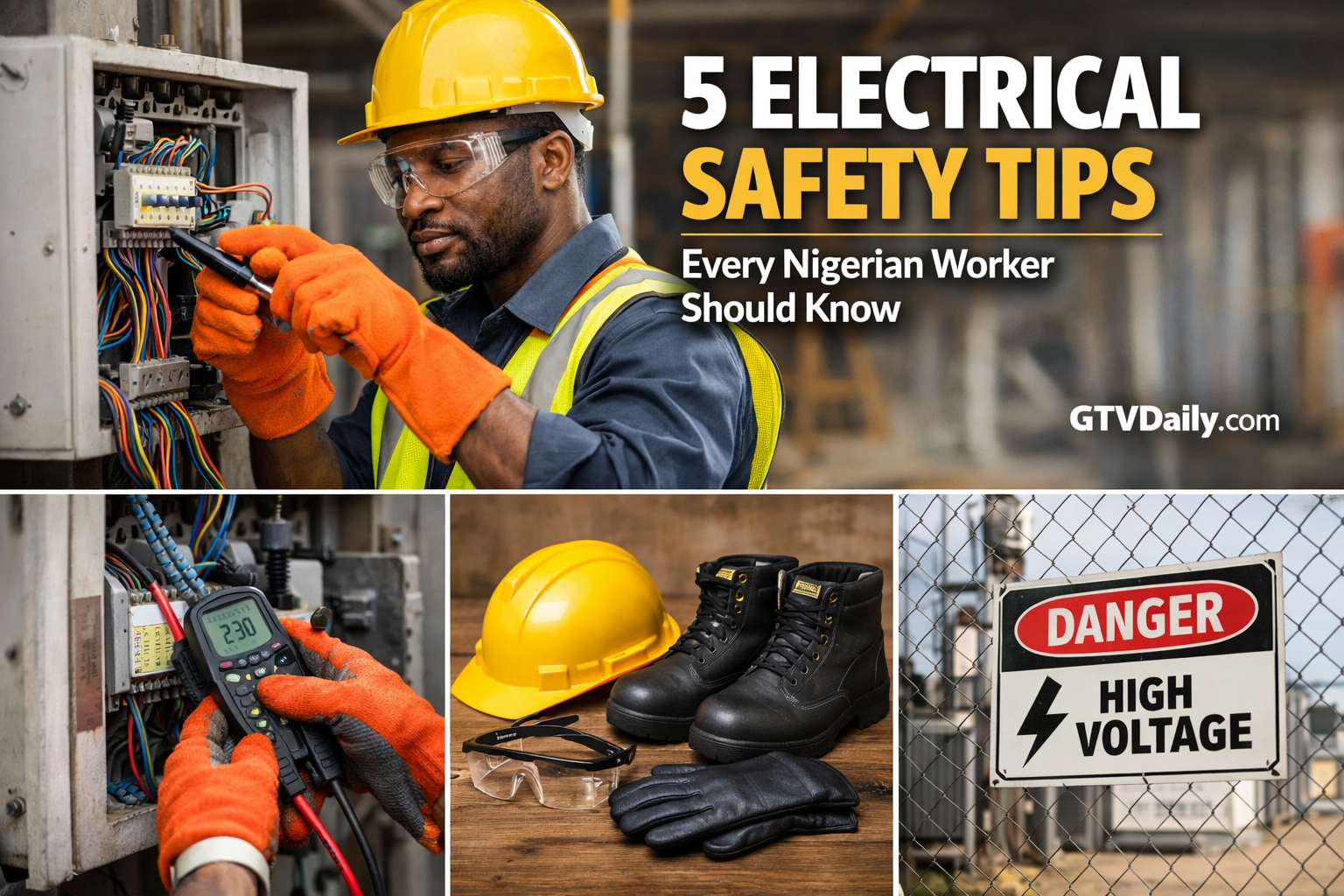
2. Electrical Faults
Overloaded circuits, faulty wiring, and improper use of generators or electrical appliances are major contributors to fire incidents in urban and rural areas.
3. Open Flames and Cooking Accidents
Many homes and small businesses use open flames for cooking or industrial purposes. Without careful monitoring, these flames can ignite nearby flammable materials.
4. Unsafe Storage of Flammable Materials
Fuel, kerosene, gas cylinders, and other flammable substances stored improperly increase the risk of fire spreading rapidly in case of ignition.
Read also about hospital readiness during emergencies
Why This Matters
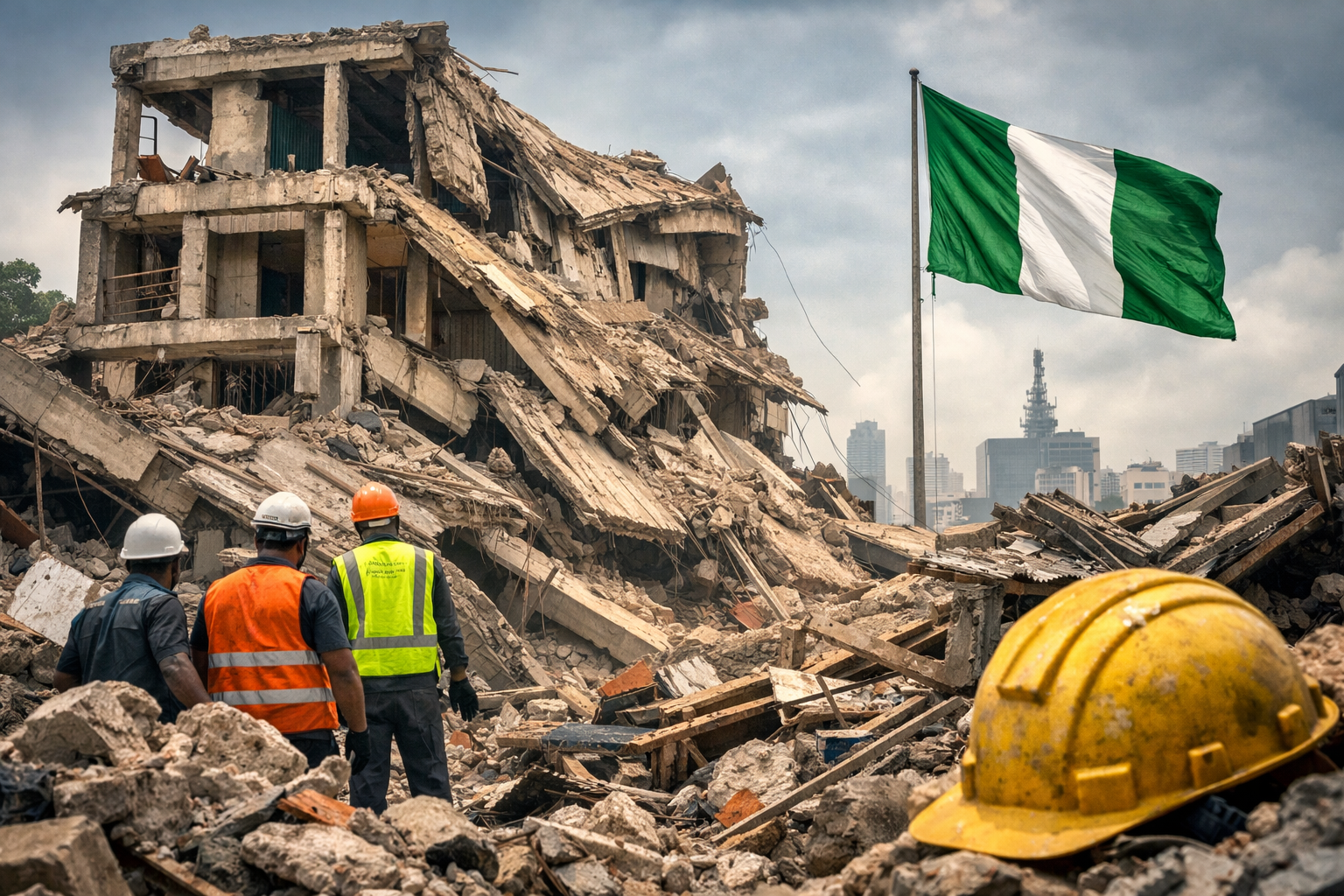
Fire outbreaks affect more than property; they impact lives, livelihoods, and communities. Delays in reporting fires, lack of public awareness, and limited emergency response resources often worsen the consequences.
- Families lose homes and belongings
- Businesses suffer financial losses
- Emergency services face high pressure during peak incidents
Real-Life Examples
- In Lagos in 2025, a fire at a market destroyed several shops, leaving dozens of traders without their livelihoods.
In 2023, a residential fire in Port Harcourt damaged multiple apartments due to faulty wiring, displacing several families.
These incidents highlight how fire outbreaks remain a significant public safety concern in Nigeria.
How to Prevent Fire Outbreaks
1. Electrical Safety
- Regularly inspect wiring and electrical systems
- Avoid overloading power sockets and circuits
- Use certified electricians for installation and repairs
2. Safe Handling of Flammable Materials
- Store fuel and gas cylinders away from open flames
- Ensure proper ventilation and distance from living areas
- Avoid makeshift storage of chemicals and combustibles
3. Community Vigilance
- Encourage neighbors to report sparks or unsafe conditions early
- Organize fire drills and awareness campaigns
- Maintain clear access for fire trucks and emergency services
4. Fire Safety Equipment
- Install smoke detectors and fire extinguishers at homes and workplaces
- Keep fire blankets and buckets of sand available in high-risk areas
Final Thought
Fire outbreaks in Nigeria are preventable. Awareness, proper storage, safe electrical practices, and community vigilance can significantly reduce risks. Protecting lives and property requires consistent effort from individuals, families, businesses, and authorities.