How to Avoid Online Scams in 2026: A Complete Beginner’s Guide
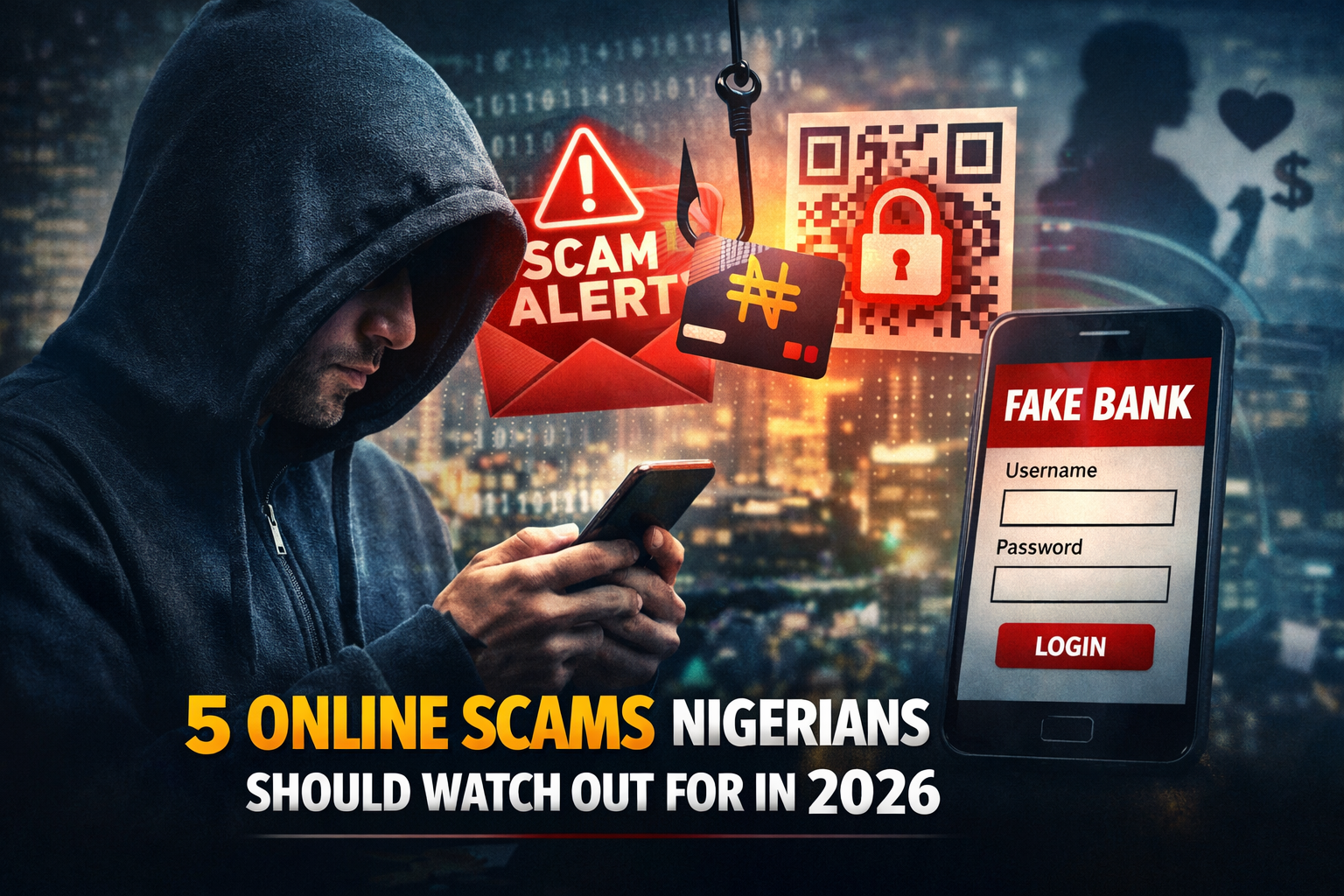
Online scams are becoming more sophisticated every year. From fake job offers to phishing emails and fraudulent investment platforms, scammers are constantly finding new ways to trick people into giving away money or personal information. Understanding how these scams work and learning how to spot warning signs can protect you from serious financial loss and identity theft.
1. Understand the Most Common Types of Online Scams
Being aware is your first line of defense. The most common scams today include:
- Phishing Emails & Messages – Fake emails pretending to be from banks, social media platforms, or delivery services asking you to “verify” details.
- Fake Job Offers – Scammers request “processing fees” or personal data for non-existent jobs.
- Investment Scams – Promises of guaranteed high returns, especially through crypto or trading apps.
- Online Shopping Scams – Fake websites selling goods at extremely low prices.
- Romance Scams – Fraudsters build emotional relationships online to request money.
2. Watch for Red Flags
Most scams share similar warning signs:
- Urgent pressure to act immediately
- Requests for personal details or passwords
- Offers that sound too good to be true
- Poor grammar or suspicious email addresses
- Payment requests through gift cards or cryptocurrency
If you notice any of these, pause and verify before responding.
3. Verify Websites and Links Before Clicking
Always check:
- The website URL (look for misspellings)
- Secure connection (https://)
- Contact details and company information
- Online reviews from multiple sources
Never click unknown links from emails or social media messages.
4. Protect Your Personal Information
Scammers often aim to steal identity data. Stay safe by:
- Using strong, unique passwords
- Enabling two-factor authentication (2FA)
- Avoiding public Wi-Fi for sensitive transactions
- Not sharing bank details via messages
5. Use Secure Payment Methods
Avoid sending money through untraceable methods like gift cards or direct transfers to unknown individuals. Trusted payment platforms often offer buyer protection and fraud monitoring.
If you suspect fraud:
- Immediately contact your bank
- Change all affected passwords
- Report the incident to local cybercrime authorities
- Warn others to prevent further victims
Acting quickly can limit damage.
Conclusion
Online scams continue to evolve, but awareness and caution remain the best protection. By understanding common scam tactics, verifying sources, and protecting your personal data, you can safely enjoy the internet without falling victim to fraud.
Read Also:
- Common Food Safety Mistakes People Make at Home (And How to Avoid Them) — simple tips to protect your health and household.
- How Hollandia Yoghurt is Being Faked — consumer awareness on unsafe products in circulation.
- 5 Simple Steps to Protect Your Personal Data Online in 2026 — essential guidance on keeping your information safe in the digital world.