Why Nigerian Hospitals Struggle With Emergency Medical Supplies
Medical emergencies require speed, coordination, and immediate access to supplies. Yet in many Nigerian hospitals, critical medical items are often unavailable when patients need them most. This gap exposes deeper weaknesses in the healthcare system and raises serious concerns about emergency readiness nationwide.
The Reality Patients Face
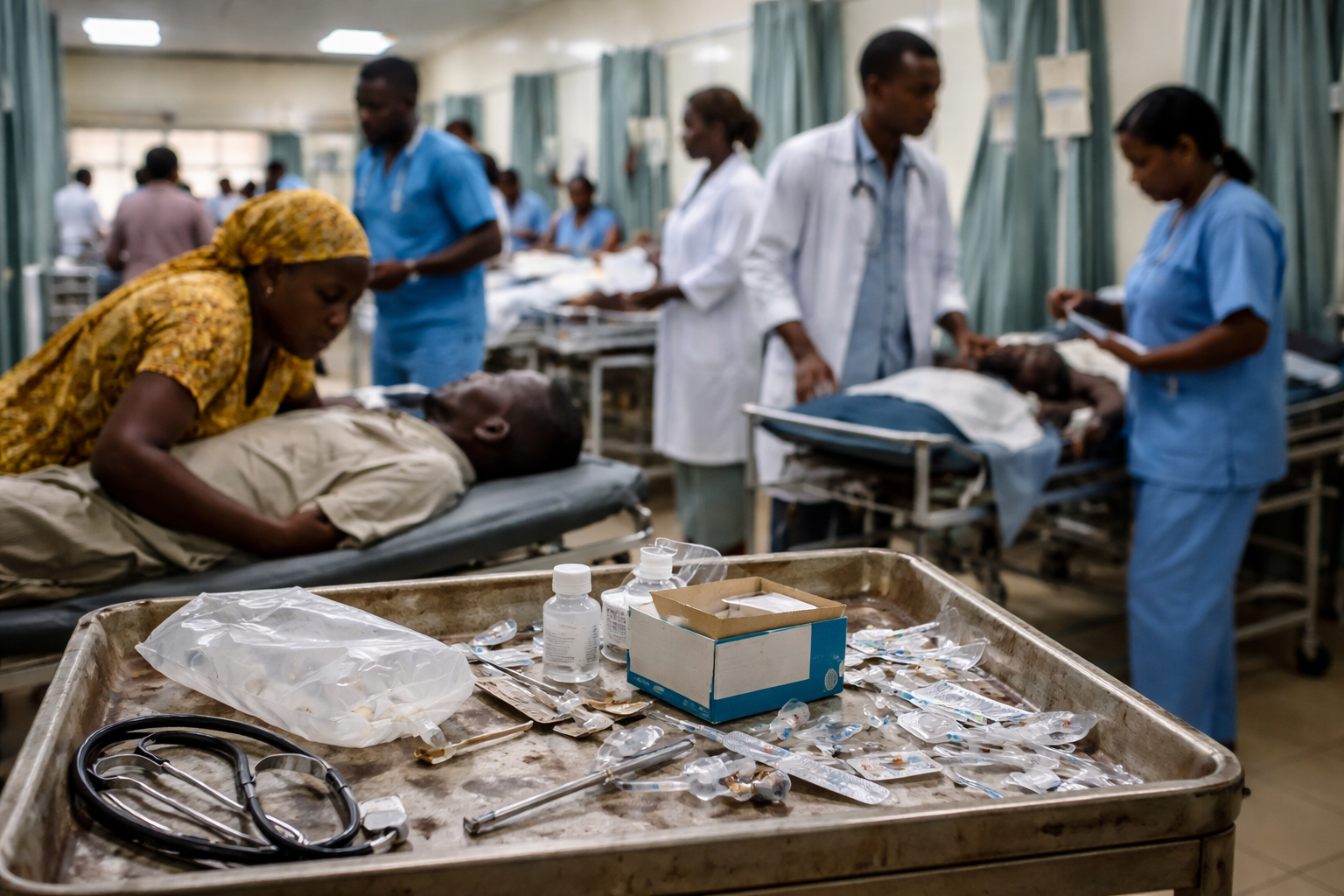
In several public hospitals, families are frequently asked to buy basic medical items before treatment can begin. These include:
- Syringes
- Gloves
- IV fluids
- Blood bags
- Essential medications
During emergencies, these delays can become dangerous. Relatives move between pharmacies while doctors wait for supplies. Treatment slows at the very moment speed matters most.
Real-Life Impact on Families
Across Nigeria, families have shared painful experiences linked to supply shortages during emergencies.
In some reported situations, accident victims arriving at hospitals faced delays while relatives searched outside for blood, IV fluids, or lifesaving drugs. For critically ill patients, even short delays can worsen outcomes.
Parents of sick children have also described moments when treatment could not begin immediately because basic consumables were unavailable within the facility. These situations create emotional and financial strain for families already dealing with medical crises.
Health advocates say these experiences show that the issue goes beyond hospital staff — it reflects deeper supply system weaknesses that affect real people in life-threatening situations.
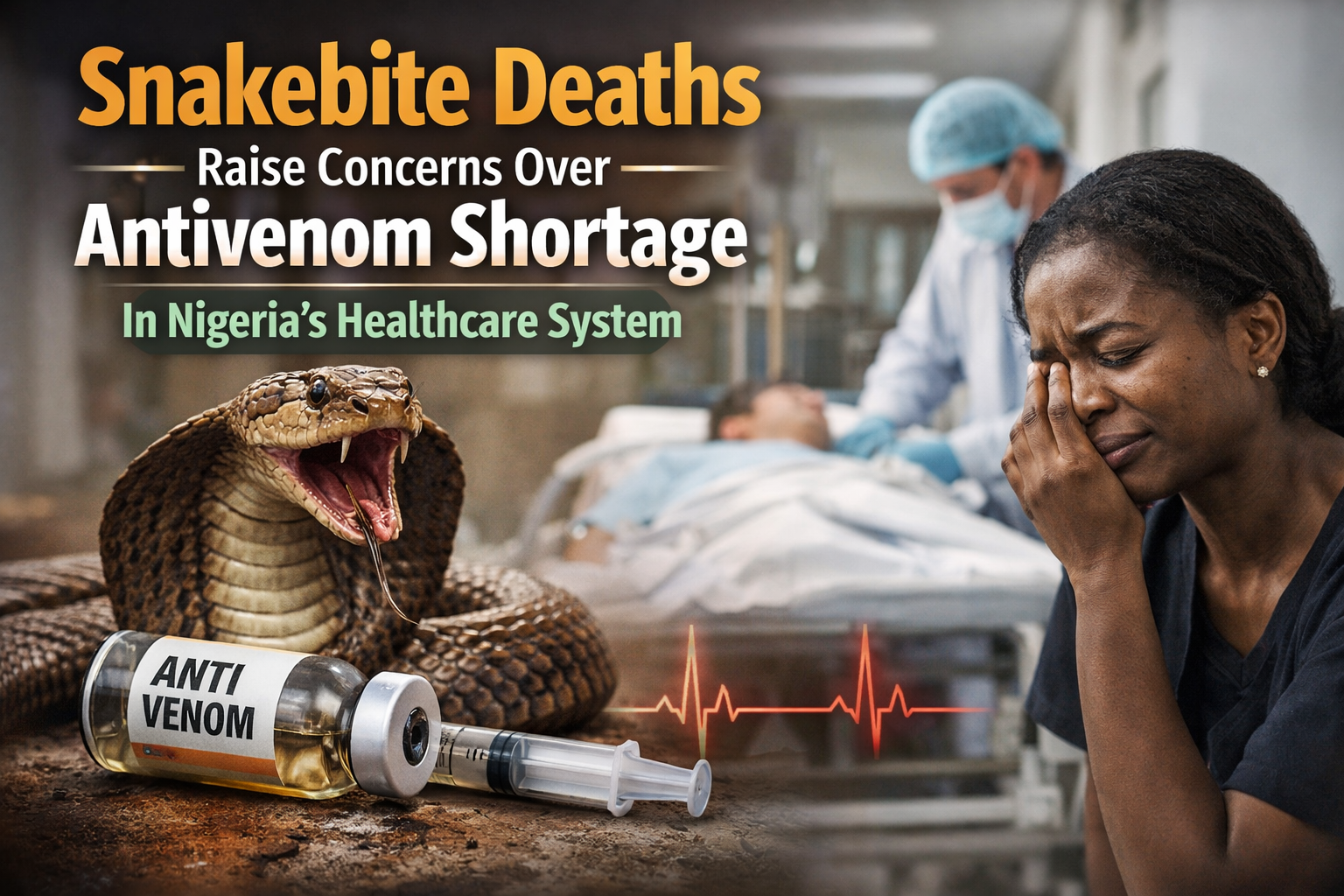
Read also about snakebite deaths in Nigeria and antivenom shortages
Why This Problem Persists
The challenge goes beyond frontline healthcare workers. Structural issues play a major role.
1. Poor Funding
Many public hospitals rely on government allocations that are often limited or delayed. Without timely funding, facilities cannot restock essential supplies.
2. Supply Chain Breakdowns
Hospitals depend on suppliers for drugs and equipment. Weak procurement systems and logistics delays frequently lead to shortages.
3. Heavy Import Dependence
Nigeria imports a large portion of its medical supplies. Exchange rate instability and import bottlenecks increase costs and reduce availability.
4. Storage Challenges
Some medicines require refrigeration. Power outages can damage stock, leading to losses and further shortages.
5. Procurement Inefficiencies
Slow approvals and poor planning affect restocking timelines. Supplies may run out before new stock arrives.
Why This Matters
This issue affects survival, trust, and safety.
- Emergency response becomes slower
- Survival chances can drop
- Public confidence in hospitals declines
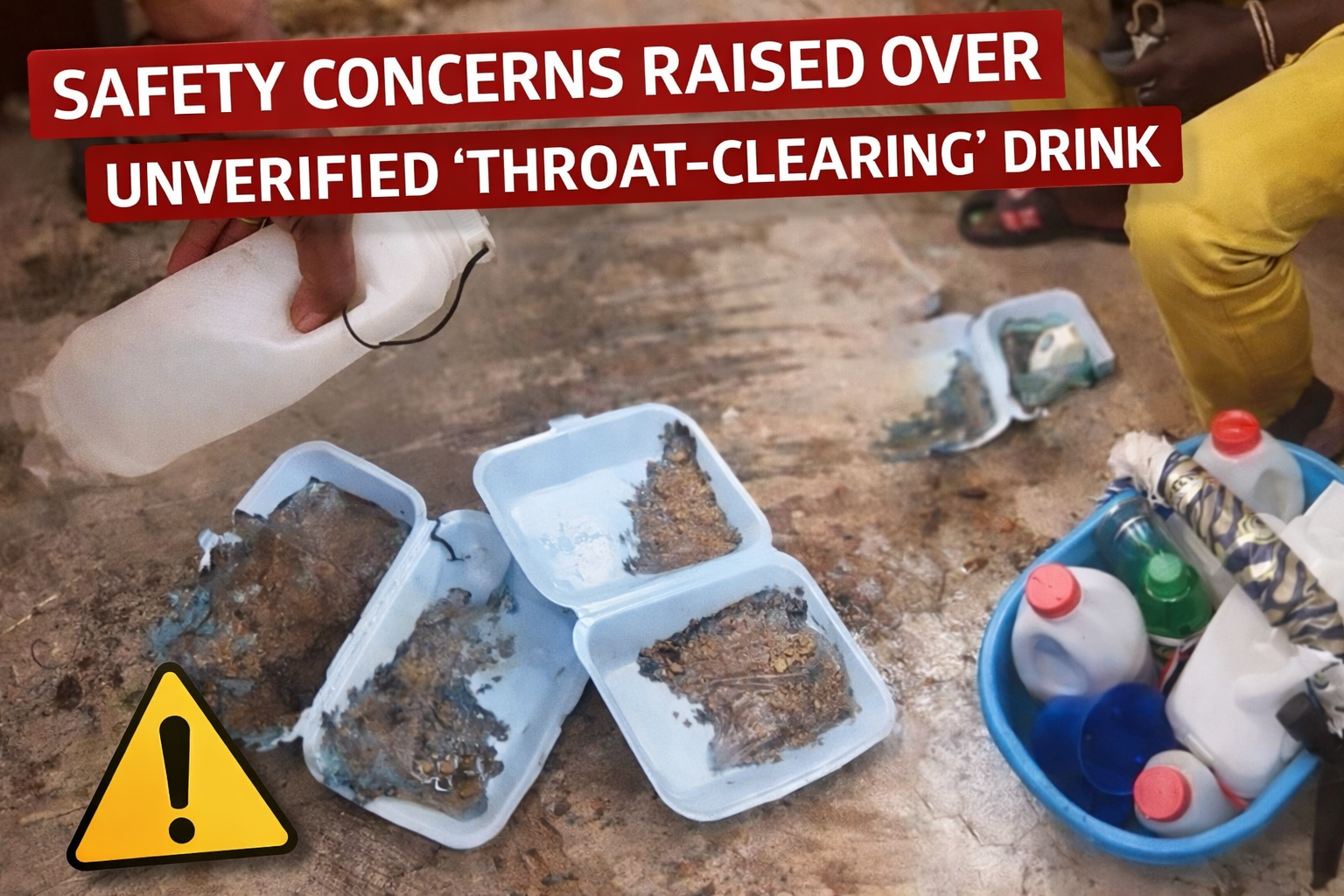
- Patients turn to unsafe alternatives
- Healthcare workers operate under intense pressure
A hospital building alone does not save lives. Equipment, medicine, and logistics do.
The Bigger Health System Issue
Emergency preparedness means hospitals must have supplies before emergencies happen. Strong health systems maintain reserve stocks, track inventory closely, and use efficient supply networks.
When stock management fails, even skilled medical teams cannot perform effectively.
What Needs to Change
- Timely and improved hospital funding
- Transparent and efficient procurement systems
- Expansion of local medical production
- Better storage infrastructure
- Real-time monitoring of hospital stock
Final Thought
Emergencies do not wait for budgets or paperwork. Until supply systems improve, hospitals will continue to struggle, and patients will face avoidable risks. Strengthening emergency medical supply systems is not optional — it is essential for saving lives.
Read also about snakebite deaths in Nigeria and antivenom shortages