Color is the soul of interior design. More than any other element of home decoration, the colors you choose and the way you combine them determine whether your living spaces feel harmonious and beautiful or chaotic and uncomfortable. Mastering the art of interior color combinations is therefore one of the most valuable skills any homeowner can develop. This comprehensive guide will take you through the principles, techniques and practical strategies needed to create stunning color schemes for every room in your home.
Understanding the Color Wheel
The color wheel is the fundamental tool of color theory and understanding it is the first step toward creating successful interior color combinations. The color wheel arranges colors in a circular format that makes the relationships between them immediately visible and easy to understand.
Primary colors — red, blue and yellow — are the foundation colors from which all other colors are mixed. Secondary colors — orange, green and purple — are created by mixing two primary colors. Tertiary colors are created by mixing a primary and a secondary color, producing colors like red-orange, yellow-green and blue-purple.
Understanding how colors relate to each other on the wheel makes it much easier to create combinations that work. Colors that sit opposite each other on the wheel are called complementary colors and when placed together they create maximum contrast and visual energy. Colors that sit adjacent to each other on the wheel are called analogous colors and when combined they create harmonious, cohesive schemes.
The Most Successful Color Combination Formulas
Interior designers use several proven color combination formulas that reliably produce beautiful results. Understanding these formulas gives you a reliable framework for making color decisions with confidence.
The monochromatic scheme uses different tones, shades and tints of a single color. For example a monochromatic blue scheme might combine deep navy walls with medium blue soft furnishings and pale sky blue accessories. This approach creates a sophisticated, harmonious interior with visual depth and interest despite using only one color family. Monochromatic schemes are particularly effective in bedrooms and bathrooms where a calm, cohesive atmosphere is desirable.
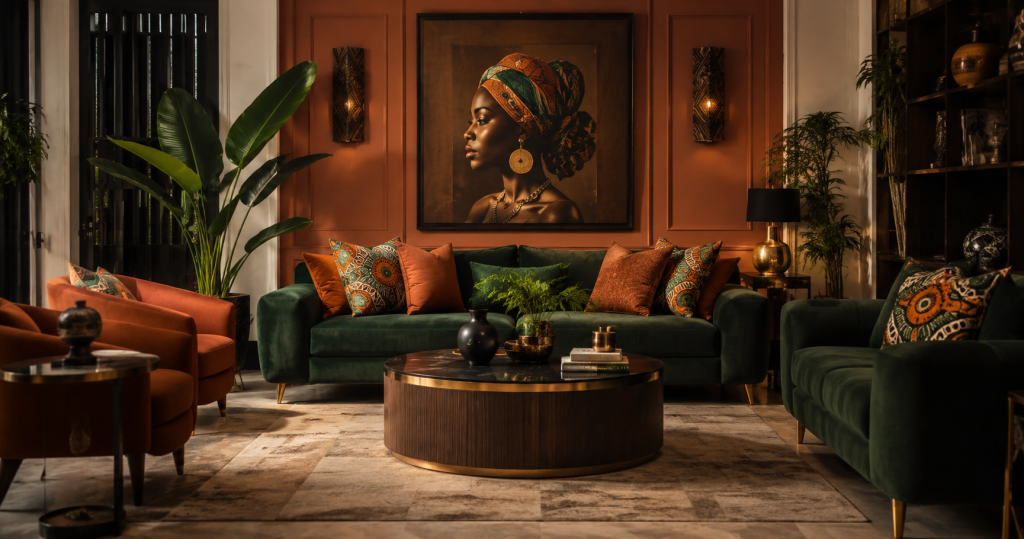
The complementary scheme combines colors from opposite sides of the color wheel. Classic complementary combinations include blue and orange, red and green and yellow and purple. These combinations create vibrant, energetic interiors with strong visual impact. The key to using complementary colors successfully in an interior is balance — typically one color should dominate while the other serves as an accent. An all-over red and green room would feel overwhelming but a predominantly neutral room with red upholstery accented with green cushions and accessories creates a dynamic, attractive scheme.
The analogous scheme combines colors that sit adjacent to each other on the color wheel such as blue, blue-green and green or orange, red-orange and red. These combinations feel natural and harmonious because the colors share common undertones. Analogous schemes are among the easiest to get right and create beautiful, cohesive interiors with a clear color identity.
The triadic scheme uses three colors equally spaced around the color wheel such as red, yellow and blue or orange, green and purple. Triadic schemes are inherently vibrant and dynamic. Success with triadic colors requires careful management of balance and proportion, typically using one color as the dominant tone and the other two as accents.
Color Combinations for Nigerian Homes
Nigerian homes present wonderful opportunities for bold and expressive color combinations. Nigerian aesthetic traditions embrace rich, vibrant colors and there is no need to default to the pale, restrained color schemes that dominate much Western interior design.
Rich terracotta paired with deep forest green creates a warm, earthy combination that feels rooted in African landscape and tradition while being thoroughly contemporary in feel. This combination works beautifully in living rooms and dining rooms where warmth and richness are desirable.
Deep royal blue combined with warm gold creates a regal, sophisticated combination that is particularly effective in formal living rooms, master bedrooms and any space where you want to create a sense of luxury and importance. This combination resonates with Nigerian cultural aesthetics where blue and gold are associated with royalty and celebration.
Warm coral orange paired with soft cream and accents of deep brown creates a fresh, warm and inviting combination that works well in almost any room. This combination captures something of the warmth and vitality of the African landscape and feels both contemporary and culturally rooted.
Vibrant yellow green combined with rich chocolate brown and accents of copper or bronze creates an energetic, naturalistic combination that brings the vitality of tropical vegetation indoors. This works particularly well in spaces with good natural light where the yellow-green can really sing.
The Role of Neutral Colors
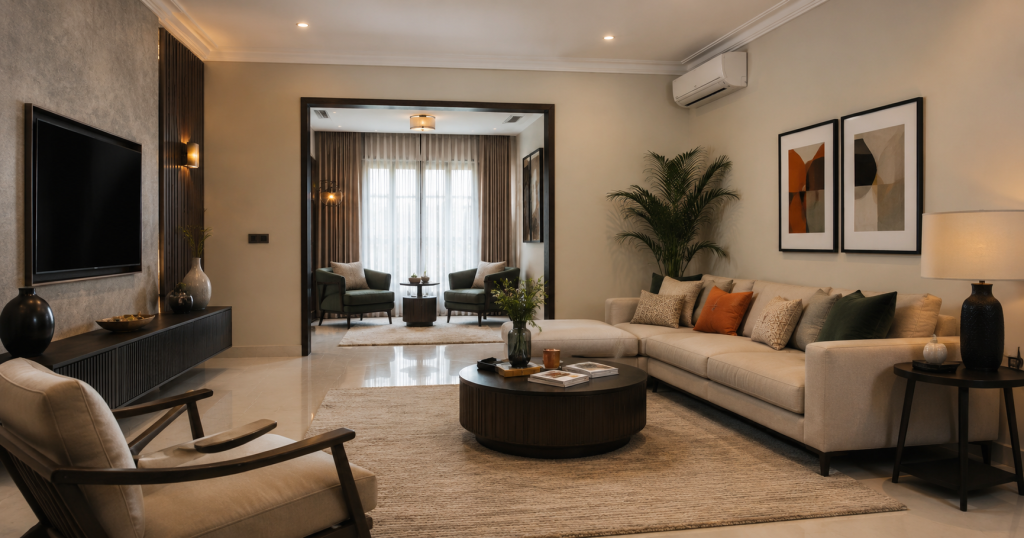
Neutral colors play a crucial role in most successful interior color schemes even in rooms that feature bold accent colors. Neutrals provide visual breathing space that prevents bold colors from becoming overwhelming and creates a foundation against which other colors can perform at their best.
The most important neutrals in interior design are white and its many variations, grey in its countless tones, beige and its warm relatives cream and ivory, and the various shades of brown from pale taupe to deep chocolate. Each of these neutral families has a different character and different strengths in interior applications.
White is the most reflective of all neutrals maximizing the impact of natural light and creating a sense of freshness and spaciousness. However pure bright white can feel cold and clinical particularly in spaces with limited natural light. Off-whites with warm undertones like cream, ivory and warm white are more forgiving and work better in a wider range of lighting conditions.
Grey has become enormously popular in contemporary interior design for good reason. It is versatile, sophisticated and provides an excellent backdrop for both warm and cool accent colors. However grey can feel cold in rooms with limited natural light or in combination with cool accent colors. Warm grey with brown or beige undertones is more forgiving in these situations.
Practical Tips for Implementing Color Schemes
Always test your chosen colors in the actual room before committing to a full paint job. Paint test patches on the walls and observe them at different times of day and in different lighting conditions. Colors look different in different light conditions and what looks perfect in a paint shop can look completely different on your wall.
Follow the 60-30-10 rule for color distribution. Use your dominant color for 60 percent of the room typically the walls and large furniture pieces. Use your secondary color for 30 percent typically soft furnishings like sofas, curtains and rugs. Use your accent color for the remaining 10 percent in smaller decorative items like cushions, artwork and accessories.
Consider the flow of color through your home. If rooms are visible from each other the colors used in adjacent spaces should relate to each other harmoniously. A dramatic color change between two visible rooms can feel jarring and disjointed. Look for ways to create a visual thread of color that runs through connected spaces.
Creating Your Signature Color Palette
The most beautiful and personal interiors are those that reflect the unique personality and aesthetic of their owners. Rather than simply following trends or copying magazine rooms develop a signature color palette that is authentically yours.
Gather inspiration from the things that bring you joy — the colors of your favorite Ankara fabrics, the palette of a landscape you love, the tones of a painting that moves you. These personal sources of color inspiration will lead you to combinations that feel genuinely right for you and create a home that reflects your unique identity and aesthetic sensibility.
Need a Professional Touch? Transform your home into a masterpiece with GTV Spaces professional home beautification services. We offer expert interior painting, exterior painting, color consultation, window blind installation and complete home transformation packages. Contact us today: gtvdailyblog@gmail.com