Choosing the right paint colors for your home is one of the most impactful and cost-effective ways to transform your living space. The colors you choose affect not just the visual appearance of your rooms but also the mood, atmosphere and perceived size of your spaces. A poorly chosen color can make a beautiful room feel cold, dark or oppressive while the right color can make an ordinary room feel warm, spacious and inviting. This comprehensive guide will help you make confident, informed decisions about paint colors for every room in your home.
Understanding Color Psychology
Before choosing specific colors it is helpful to understand the basics of color psychology — how different colors affect our emotions, moods and perceptions. This understanding will help you choose colors that create the atmosphere you want in each room of your home.
Warm colors like red, orange and yellow are energizing and stimulating. They create feelings of warmth, excitement and sociability. These colors work well in spaces where you want to encourage activity and interaction such as living rooms, dining rooms and kitchens. However used in large quantities or in spaces where you want to relax they can feel overwhelming and stressful.
Cool colors like blue, green and purple have a calming, relaxing effect. They create feelings of peace, tranquility and spaciousness. These colors work particularly well in bedrooms, bathrooms and other spaces where relaxation is the primary goal. Pale cool colors can also make small rooms feel larger and more open.
Neutral colors like white, grey, beige and brown are versatile and timeless. They create a sense of calm and sophistication and provide an excellent backdrop for furniture, artwork and decorative accessories. Neutrals are the foundation of many of the world’s most elegant and enduring interior design schemes.
Choosing Colors for Different Rooms
Different rooms in your home serve different purposes and therefore benefit from different color treatments. Understanding the function of each room will help you choose colors that enhance rather than undermine that function.
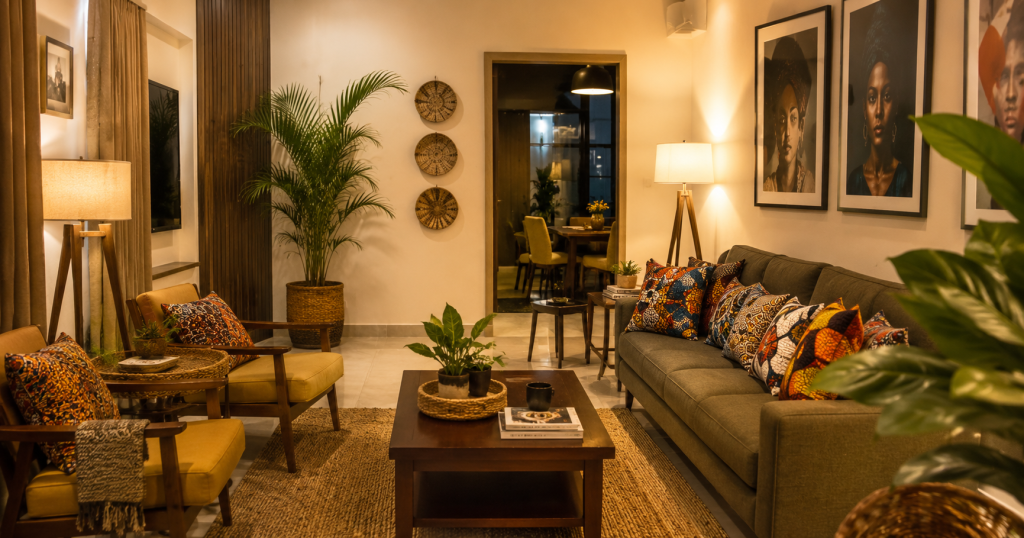
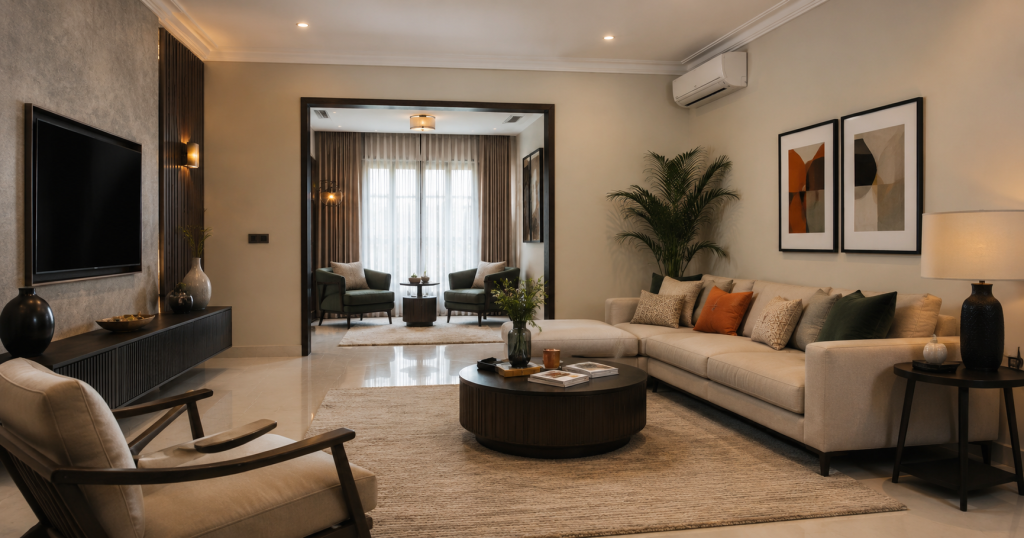
The living room is the social heart of most homes — a space for family gathering, entertaining and relaxation. Colors that create a warm, welcoming atmosphere work best here. Warm neutrals like warm white, cream, soft beige and warm grey are universally popular choices that create an inviting atmosphere while providing flexibility to change soft furnishings and accessories over time. For those who want more color in their living room, terracotta, warm sage green and deep teal are excellent choices that add personality without being overwhelming.
The bedroom should be a sanctuary — a space for rest, relaxation and privacy. Cool, calming colors are generally most appropriate here. Soft blues, gentle greens, lavender and warm neutral tones all create restful atmospheres conducive to good sleep. Avoid stimulating warm colors like bright red and orange in bedrooms as they can interfere with sleep.
The kitchen benefits from clean, fresh colors that create a sense of hygiene and vitality. White remains the most popular kitchen color and for good reason — it is clean, timeless and makes the most of available light. However all-white kitchens can feel cold and clinical if not warmed up with natural materials like wood and stone. Soft yellows, warm greens and terracotta are increasingly popular alternatives that bring warmth and personality to kitchen spaces.
The bathroom, like the bedroom, benefits from calm and clean colors. White and light neutrals are classic bathroom choices that create a sense of cleanliness and spaciousness. Pale blues and soft greens can create a spa-like atmosphere that makes the bathroom feel like a genuine retreat.
The Role of Light in Color Choice
One of the most important and often overlooked factors in choosing paint colors is the quality and quantity of natural light in your space. The same paint color can look dramatically different in a north-facing room with limited natural light and a south-facing room flooded with sunlight.
In rooms with abundant natural light you have the most flexibility in color choice. Both warm and cool colors will look their best in good natural light and even darker, more saturated colors can work well in well-lit spaces.
In rooms with limited natural light color choice becomes more critical. Very dark colors in poorly lit rooms can feel oppressive and cave-like. Light, warm colors are generally the safest choice for dark rooms as they maximize the impact of available light and create a sense of warmth and openness.
Always test paint colors in the actual room where they will be used before committing to a large purchase. Paint test patches on the wall and observe them at different times of day and in different lighting conditions. Colors look very different on a paint chip in a shop compared to a painted wall in your home.
Nigerian Climate and Paint Color Considerations
Choosing paint colors for a Nigerian home involves some specific considerations related to the local climate and lifestyle. Nigeria’s hot tropical climate affects how colors look and feel in interior spaces.
In hot climates light colors are generally preferable for both interior and exterior walls as they reflect heat rather than absorbing it helping to keep your home cooler. Cool whites, light creams and pale neutrals are particularly practical choices for Nigerian homes helping to manage indoor temperatures naturally.
For exterior walls in Nigeria durability and heat resistance are important practical considerations alongside aesthetics. Quality exterior paints formulated for tropical climates will resist fading, peeling and mold growth better than lower quality alternatives. Light to medium tones generally hold up better than very dark colors in intense tropical sunlight.
Creating Color Schemes
A successful interior color scheme involves more than choosing a single wall color. It requires thinking about how the colors of your walls, furniture, flooring and accessories work together to create a cohesive and harmonious whole.
The most reliable approach to creating a color scheme is to choose one dominant color, one secondary color and one or two accent colors. The dominant color typically covers the largest surfaces including walls. The secondary color appears in larger pieces of furniture and soft furnishings. Accent colors appear in smaller decorative items like cushions, artwork and accessories.
Using colors from the same color family creates a harmonious, unified look. Using contrasting colors from opposite sides of the color wheel creates a more dynamic and energetic look. Both approaches can be successful depending on the effect you are trying to achieve.
Practical Tips for Painting Your Home
Preparation is the most important factor in achieving a professional quality paint finish. Properly prepared surfaces — clean, smooth, properly primed — make an enormous difference to the final result. Take the time to fill cracks and holes, sand rough surfaces and apply a suitable primer before painting.
Quality paint is worth the investment. Better quality paints offer better coverage, more durability and richer color that maintains its appearance longer. The money saved by buying cheap paint is quickly lost when the paint fades, chips or requires more coats to achieve adequate coverage.
Two thin coats of paint always look better than one thick coat. Allow each coat to dry completely before applying the next. Follow the manufacturer’s instructions regarding drying times and recoat windows.
Choosing the right finish matters as much as choosing the right color. Matt finishes hide surface imperfections but are harder to clean. Eggshell and satin finishes offer a good balance of washability and appearance and are suitable for most rooms. Gloss finishes are very washable and durable making them ideal for kitchens, bathrooms and woodwork but they show surface imperfections more readily.