Essential Life Skills Every Nigerian Teen Should Learn by 2026
Growing up in today’s fast-paced world, Nigerian teens face many challenges that go beyond academics. Success in life isn’t only about grades; it’s also about mastering key life skills that prepare you for adulthood. Learning these skills early helps build confidence, independence, and resilience.
Below are the essential life skills every Nigerian teen should learn by 2026.
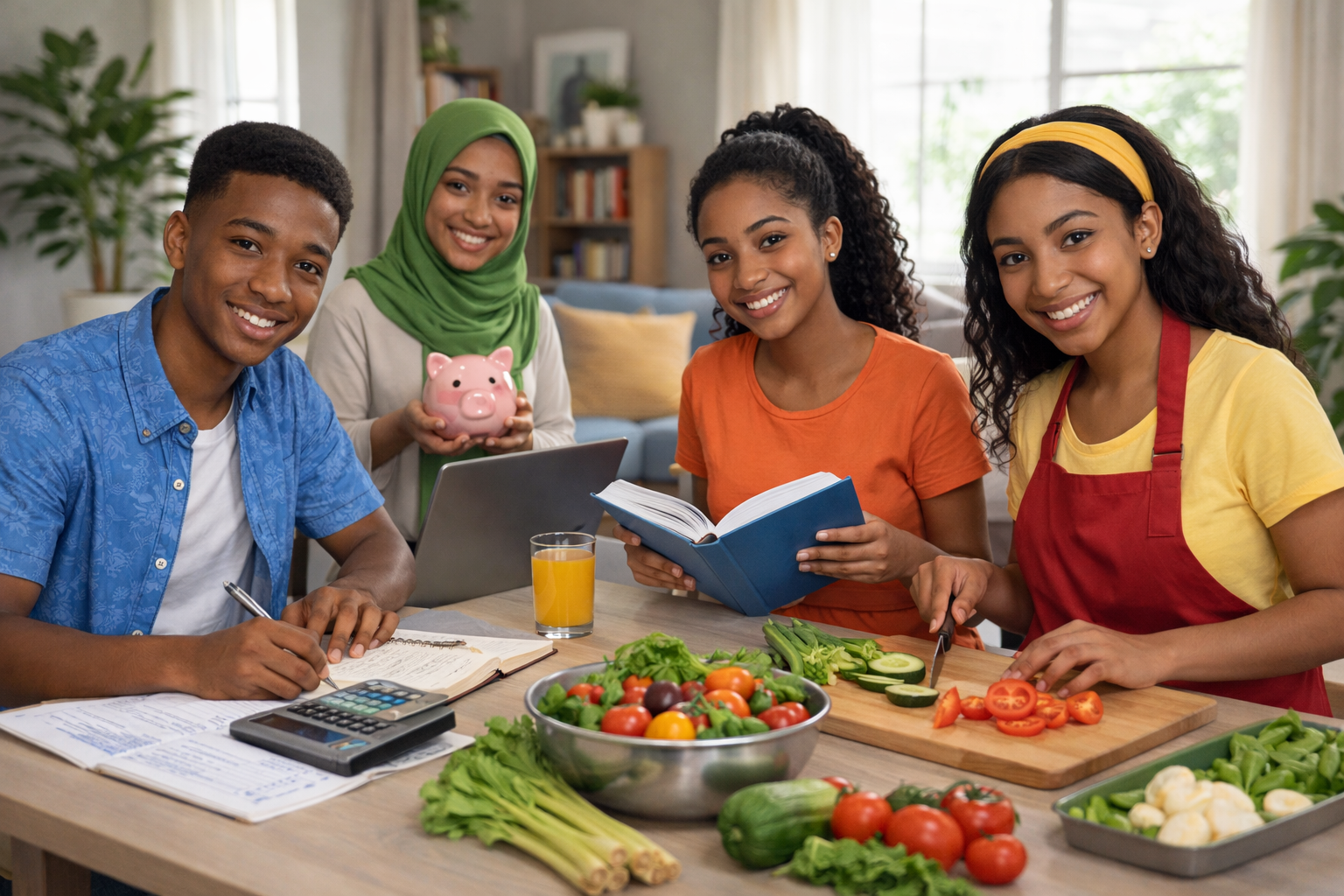
1. Financial Literacy
Understanding money is critical for teens. Skills to learn include:
- How to save money and manage allowances
- Basic budgeting
- Opening and using a bank account
- Simple, low-risk investments like savings accounts
Early financial awareness sets the foundation for smart money habits later in life. Teens should avoid high-risk investments and focus on safe, practical ways to grow their money.
2. Communication Skills
Strong communication skills help teens express themselves clearly and build healthy relationships. This includes:
- Effective speaking and listening
- Writing clearly and professionally
- Non-verbal communication and body language
Mastering communication also improves academic performance and social interactions.
3. Time Management
Teens often juggle school, extracurricular activities, and social life. Learning to manage time effectively helps prevent stress. Key tips:
- Prioritizing tasks
- Using planners or apps to organize schedules
- Avoiding procrastination
- Breaking projects into smaller steps
Time management is a skill that pays off throughout life.
4. Problem-Solving & Critical Thinking
Every teen encounters challenges. Developing problem-solving skills means:
- Thinking critically before making decisions
- Considering multiple solutions
- Learning from mistakes
These skills improve confidence and independence.
5. Digital Literacy
The internet is a powerful tool, but teens must use it wisely. Important digital skills include:
- Safe and responsible social media use
- Basic productivity tools (Word, Excel, Google Workspace)
- Identifying reliable online sources
- Cybersecurity awareness
Teens should also learn how to recognize online scams and protect personal information. Digital literacy prepares teens for higher education and future careers.
6. Basic Cooking & Nutrition
Knowing how to cook and maintain a healthy diet is an essential life skill:
- Preparing simple, nutritious meals
- Understanding portion sizes
- Making healthy choices on a budget
These skills promote independence and well-being and align with guidance from Nigerian nutrition programs.
7. Personal Hygiene & Self-Care
Self-care builds confidence and keeps teens healthy:
- Daily hygiene routines (bathing, teeth brushing, skincare)
- Dressing appropriately for school or social events
- Managing stress through relaxation or hobbies
Good self-care habits improve overall quality of life.
8. Social Skills & Teamwork
Learning to interact positively with others is crucial:
- Building empathy and understanding
- Resolving conflicts peacefully
- Collaborating in school or community projects
- Developing leadership skills
Social skills help teens form meaningful friendships and succeed in group settings.
9. First Aid & Safety Awareness
Emergencies can happen anywhere. Teens should know:
- Basic first aid for cuts, burns, or minor injuries
- How to respond in fire or accident situations
- Road safety and safe travel habits
Teens should learn only basic first aid and call adults or professionals for serious emergencies. These skills can save lives and increase confidence in handling unexpected situations.
10. Emotional Intelligence & Self-Discipline
Understanding and managing emotions improves personal growth:
- Recognizing feelings and triggers
- Practicing patience and self-control
- Coping with peer pressure and challenges
Emotional intelligence helps teens make better decisions and maintain healthy relationships.
Conclusion
By learning these essential life skills, Nigerian teens can confidently navigate school, friendships, and early adulthood. Parents, teachers, and mentors should encourage practice and guidance, but teens can also start learning independently.
The earlier these skills are developed, the stronger the foundation for success in both personal and professional life.