Smart Farming in Nigeria: How AI is Actually Moving the Needle in 2026
For decades, farming in Nigeria was defined by “guesswork.” You planted when the rains seemed right and prayed the pests stayed away. But as we move through 2026, that old-school uncertainty is being replaced by data.
From the sprawling grain fields of the North to the cocoa plantations in the West, Artificial Intelligence (AI) isn’t just a “tech buzzword” anymore—it’s becoming as essential as a tractor. We are seeing a digital green revolution that is helping local farmers cut costs and actually compete on the global stage. Here is the real-world breakdown of how AI is changing the game across the Federation.
1. The New Toolkit: Drones and “Dirt” Sensors
In 2026, the most successful farms aren’t just managed from the back of a hilux; they’re managed from a tablet.
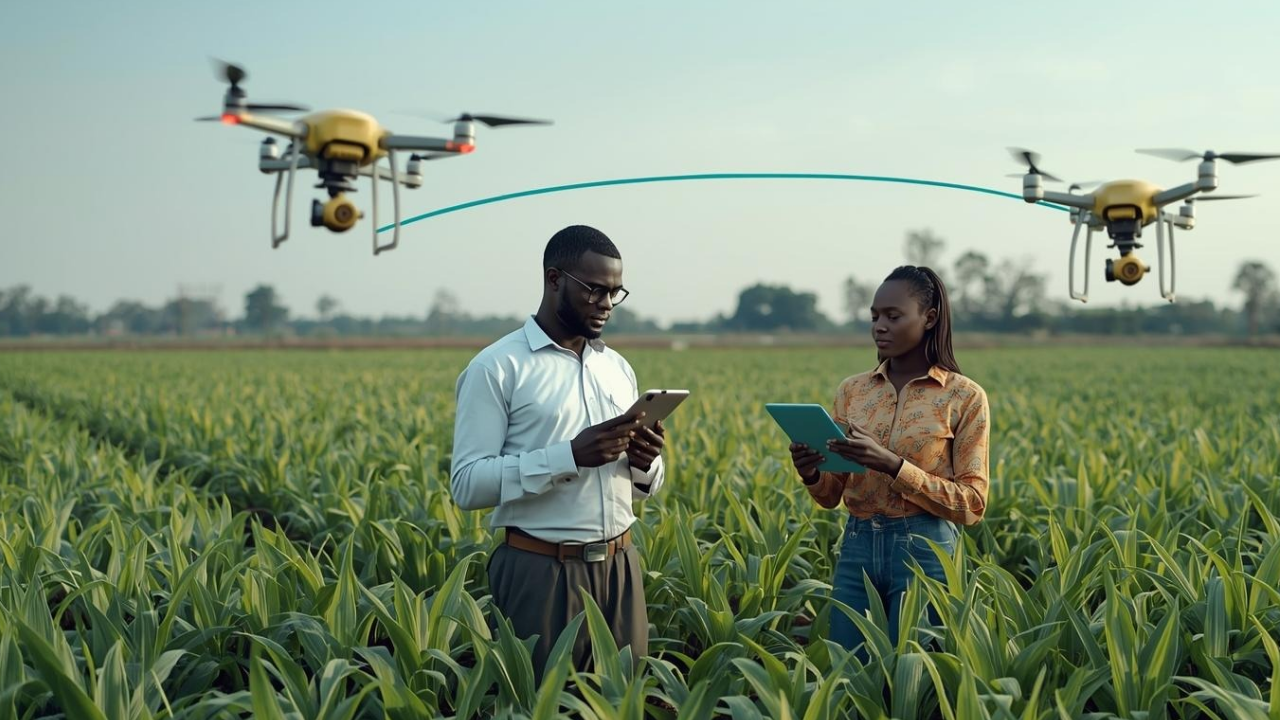
- The Eye in the Sky: Low-cost drones are now a common sight over Nigerian farmlands. Instead of walking through 50 hectares to find a localized pest outbreak, farmers use AI-mapped drone footage to spot “stress zones” in minutes. This means spraying only the affected area, saving a fortune on chemicals.
- Smart Soil Listeners: We are seeing a surge in IoT (Internet of Things) sensors buried in the soil. These “listeners” tell a farmer’s phone exactly when the ground is thirsty or lacking nutrients, stopping the waste of expensive fertilizers.
2. Precision Agriculture: No More “Spray and Pray”
The biggest shift this year is the move toward Precision Farming. In the past, if one corner of a field needed nitrogen, the whole field got it. That’s a waste of money.
Today, AI models analyze satellite imagery and soil data to create “variable rate” maps. This tells a tractor or a manual team exactly how much input is needed for every square meter. It’s better for the environment, and even better for the farmer’s bank account.
3. Predicting the Unpredictable (Pests & Weather)
Climate change has made Nigerian weather patterns erratic, but AI is helping us fight back.
- Predictive Analytics: Startups in Lagos and Ibadan are now offering AI platforms that predict armyworm infestations two weeks before they happen by analyzing regional humidity and wind patterns.
- Automated Sorting: In the processing phase, AI-powered cameras are now used to sort cashew nuts and cocoa beans by quality at lightning speed, ensuring Nigerian exports meet the strict “Grade A” standards required in Europe and America.
4. Getting Started: A Reality Check for Local Farmers
You don’t need a million-dollar budget to start. In 2026, AI is becoming “democratized.”
- Start with your Smartphone: Many AI-driven advisory services now work via WhatsApp or simple SMS apps. You can upload a photo of a sick leaf and get an instant AI diagnosis.
- Join a Tech Cooperative: Don’t buy a drone alone. Many farming clusters in states like Kaduna are pooling resources to share AI tools and data insights.
- Trust the Data, but Keep the Dirt: Tech is a tool, not a replacement for experience. Use AI to inform your decisions, not to make them blindly.
5. Why This Matters for Nigeria’s Future
This isn’t just about “cool tech.” It’s about food security. By reducing waste and increasing yield, AI is helping lower the price of food in our local markets. It’s making farming “cool” again for the younger generation, who are seeing agriculture as a high-tech business rather than a back-breaking chore.
The Verdict
The 2026 harvest is digital. By embracing these smart tools, Nigeria isn’t just feeding its own people; we are positioning ourselves as the “Breadbasket of Africa” once again.
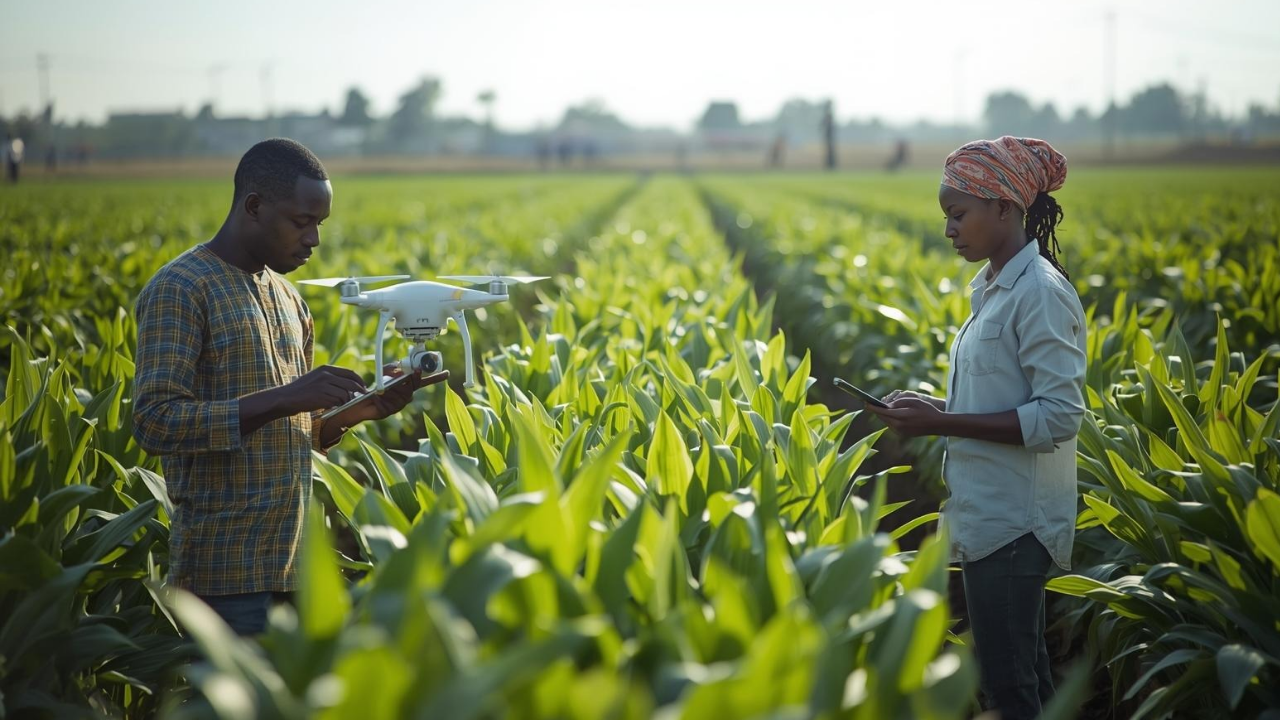
AI applications in agriculture are also helping Nigeria move toward food security and sustainable farming practices.
Transparency Note This article is for informational purposes only. GTVDaily does not provide specific agricultural or financial advice. The success of AI tools depends on local infrastructure, internet connectivity, and proper equipment maintenance. We recommend consulting with an agritech specialist before making major investments.
Featured image AI-generated. Learn more here