Israel Strikes Iran Missile Production Facilities in Tehran — Key Targets Explained
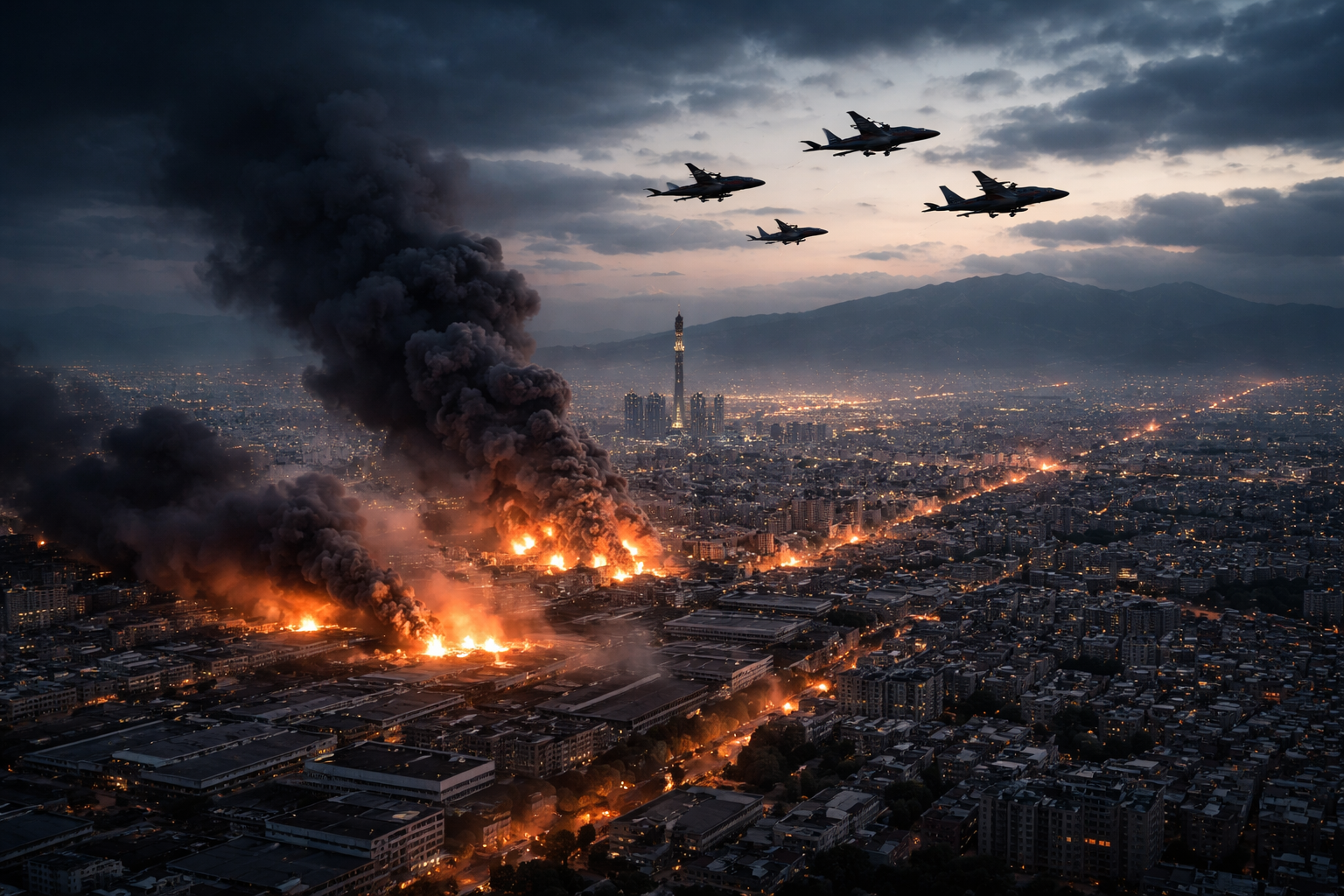
The high-stakes “shadow war” between Israel and Iran has moved firmly into the light. In a significant escalation of regional hostilities, the Israel Defense Forces (IDF) recently carried out a series of precision airstrikes targeting critical missile production facilities and surface-to-air missile arrays across Iran.
This move follows months of intensifying friction and marks a strategic shift in how Israel is addressing the threat posed by Tehran’s long-range arsenal.
Precision Strikes on “Industrial Factories of Death”
The operation, involving over 100 aircraft—including advanced F-35 stealth fighters—focused on dismantling Iran’s ability to manufacture the very ballistic missiles used in previous attacks against Israel. Key targets included the Parchin and Khojir military complexes near Tehran.
According to military analysts and satellite imagery, the strikes specifically took out “planetary mixers” used to create solid fuel for advanced missiles. By targeting the machinery rather than just the stockpiles, Israel has effectively “bottlenecked” Iran’s production line. Reports suggest it could take Iran a year or more to replace this highly specialized equipment.
Why This Matters for Regional Stability
While the strikes highlight a shift toward targeting long-term military capabilities, they also raise the high-stakes possibility of further retaliation. By crippling Iran’s air defenses—including Russian-made S-300 systems—Israel has signaled that Iranian airspace is no longer a “no-go” zone.
Key takeaways from the operation include:
- Production Crippled: Iran’s ability to mass-produce ballistic missiles has been significantly set back.
- Air Superiority: The destruction of multiple S-300 batteries leaves Tehran more vulnerable to future sorties.
- Strategic Messaging: The “measured” nature of the strikes (avoiding nuclear and oil sites) suggests an attempt to deter Iran without triggering an all-out regional war.
What’s Next?
The ball is now in Tehran’s court. While Iranian state media has largely downplayed the extent of the damage to save face, the internal military reality is a crippled defense network and a stalled production line.
As events continue to unfold, the global community is watching closely to see whether the situation stabilizes or develops into a broader regional crisis. For now, the focus remains on whether this “deterrence through damage” strategy will lead to a temporary quiet or a new, more dangerous chapter of conflict.
Featured image AI-generated. Learn more here