US and Iran Agree to Two-Week Ceasefire: Strait of Hormuz to Reopen – What This Means for the World
In a surprising turn of events, the United States and Iran have reached a conditional two-week ceasefire agreement that includes the reopening of the Strait of Hormuz, one of the world’s most critical energy chokepoints.
The announcement, made late on April 7, 2026, has brought immediate relief to global markets and raised hopes that a dangerous escalation in the Middle East might be temporarily paused. For millions of people watching from afar, this development offers a brief moment of de-escalation after weeks of rising fears.
What Exactly Was Agreed?
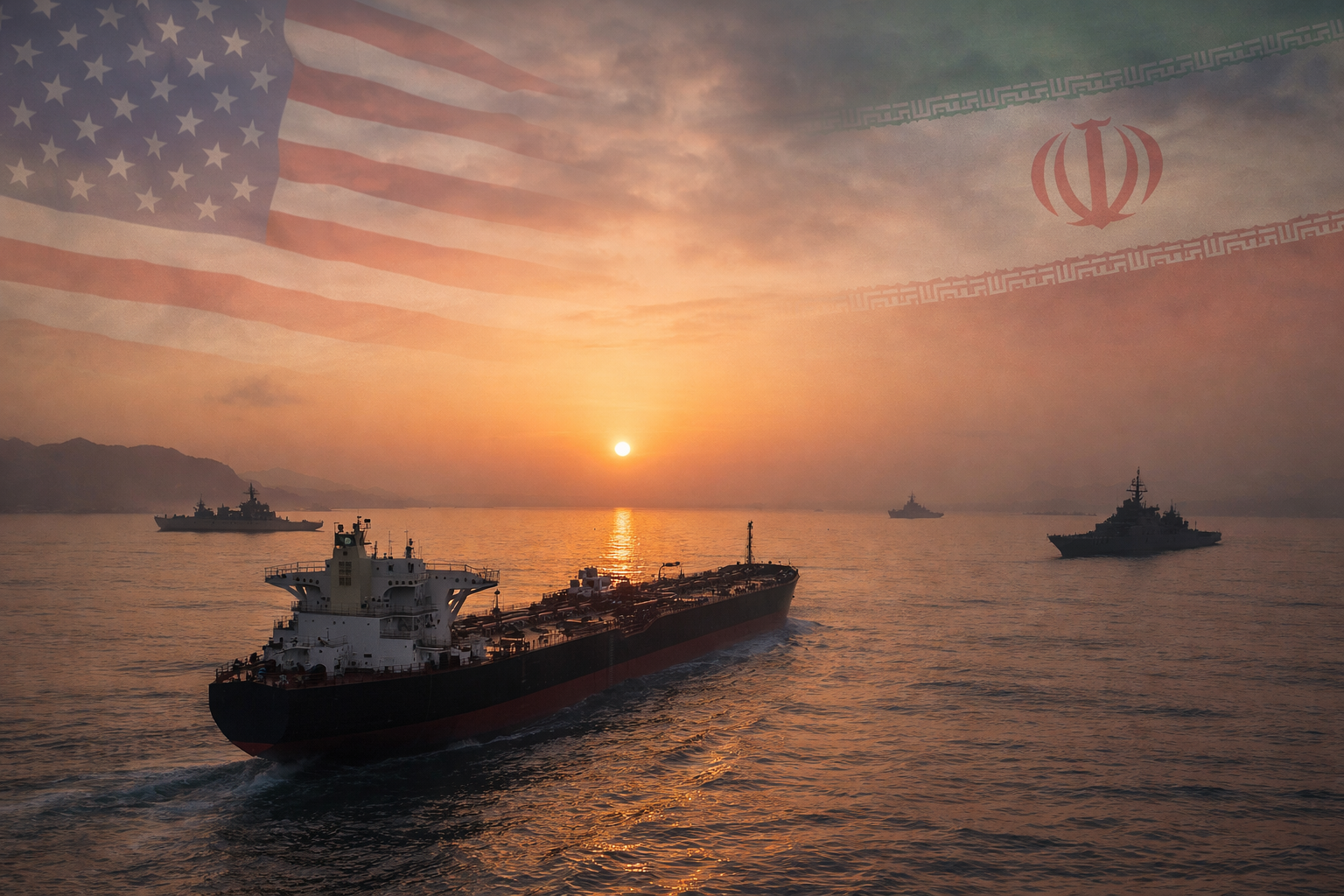
According to statements from both sides, President Donald Trump agreed to suspend further military actions against Iran for two weeks. In return, Iran will allow safe passage for international shipping through the Strait of Hormuz under coordination with its armed forces.
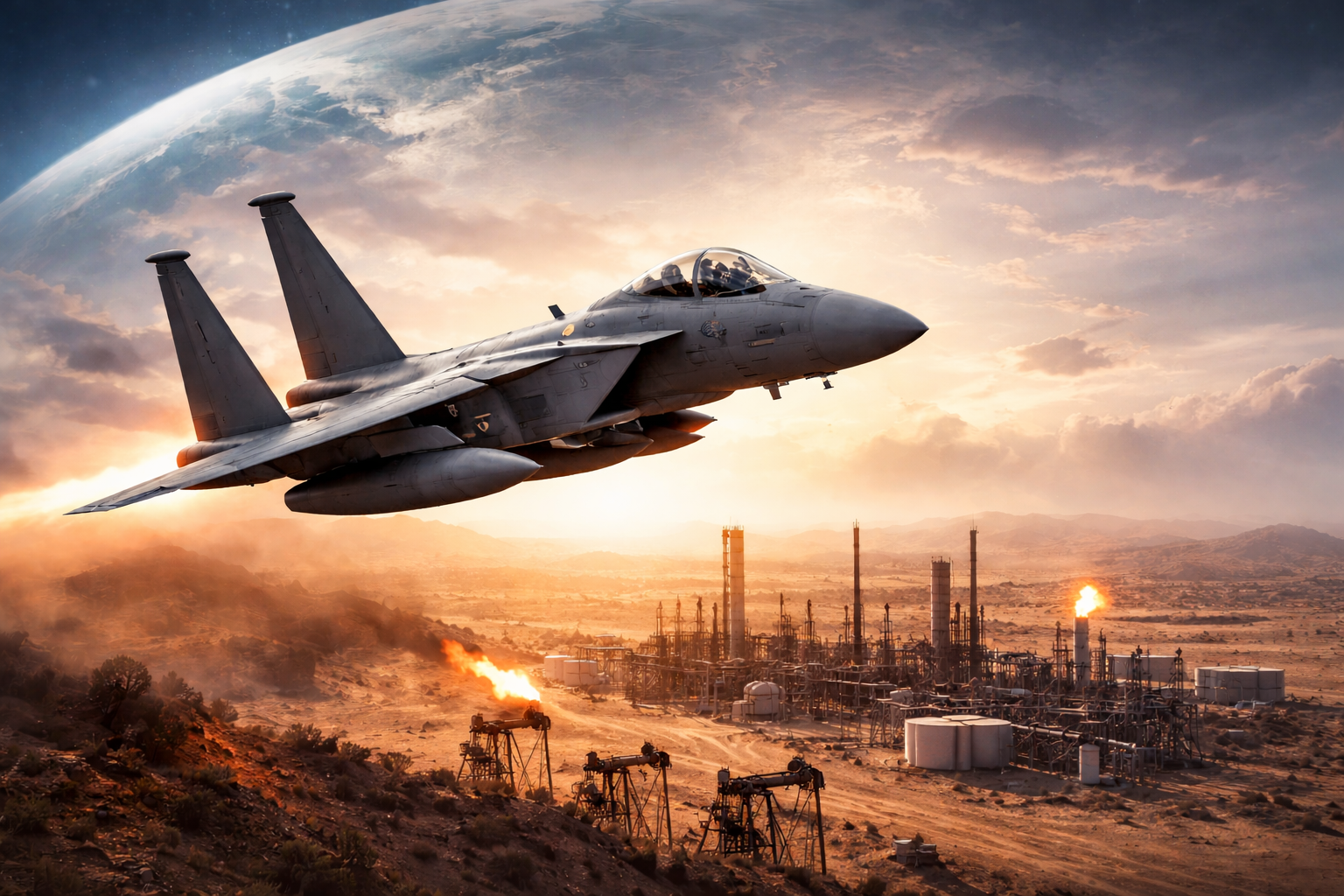
This waterway, located between Iran and Oman, is vital — roughly one-fifth of the world’s daily oil supply passes through it. Its closure or disruption in recent weeks had caused oil prices to spike sharply, sending ripples through economies everywhere.
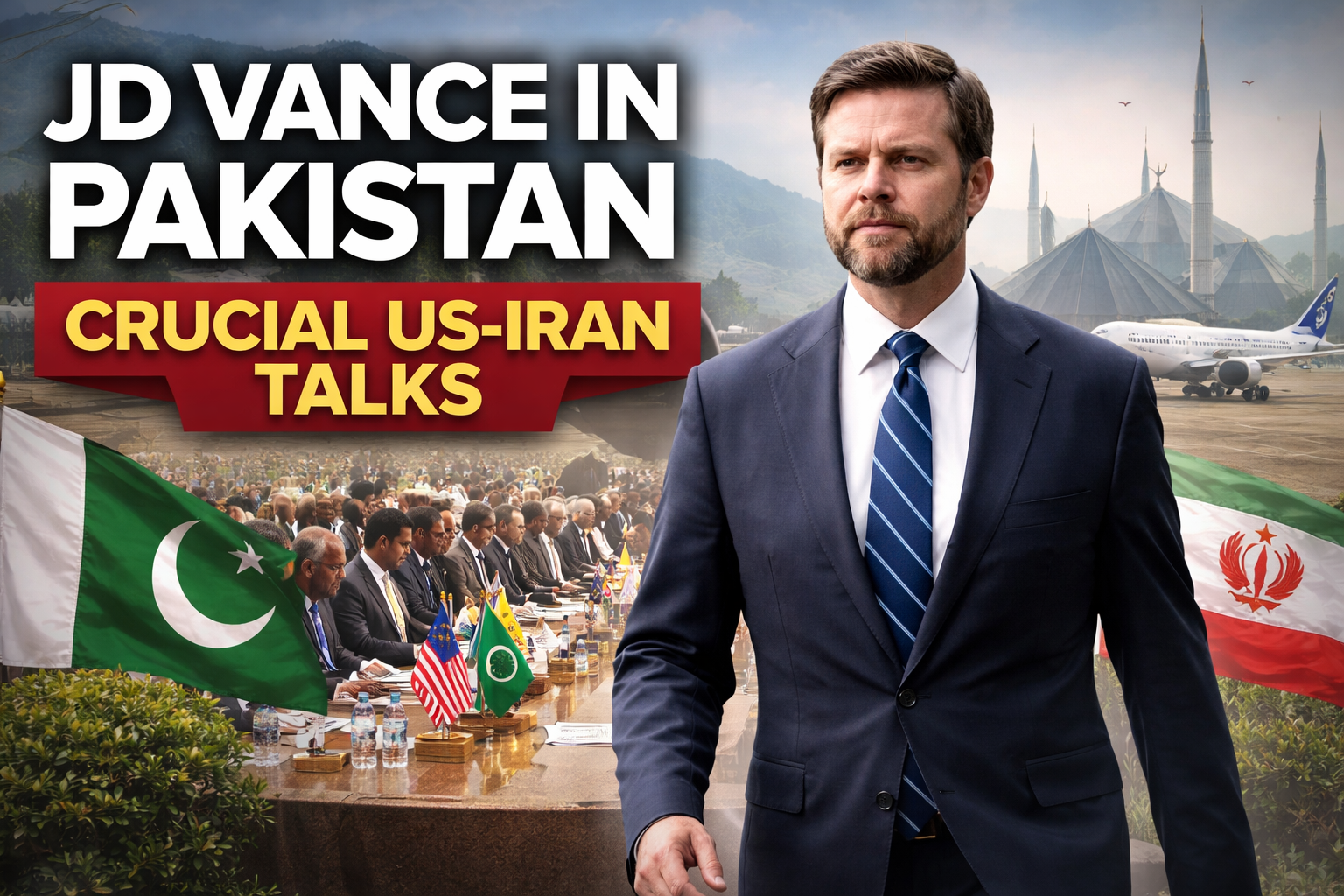
The ceasefire is described as provisional and fragile, with negotiations expected to begin soon in Islamabad, Pakistan. Both sides have emphasized that this is not a permanent peace deal, but rather a short-term pause to allow breathing room for talks.
Why This Matters Globally
The Strait of Hormuz has been at the heart of the recent crisis. When shipping was heavily restricted, energy markets reacted with alarm. Oil prices jumped, stock markets became volatile, and many countries worried about higher fuel costs and inflation.
With the strait set to reopen, oil prices have already started to fall sharply. This is good news for everyday people in countries that import fuel — from Europe and Asia to parts of Africa. Lower energy costs could eventually translate into some relief at the pump and help ease pressure on household budgets.
For oil-producing nations, including several in Africa and the Middle East, the situation is more mixed. While stable shipping routes are important for long-term revenue, the recent high prices had provided a temporary boost.
The Human and Economic Impact
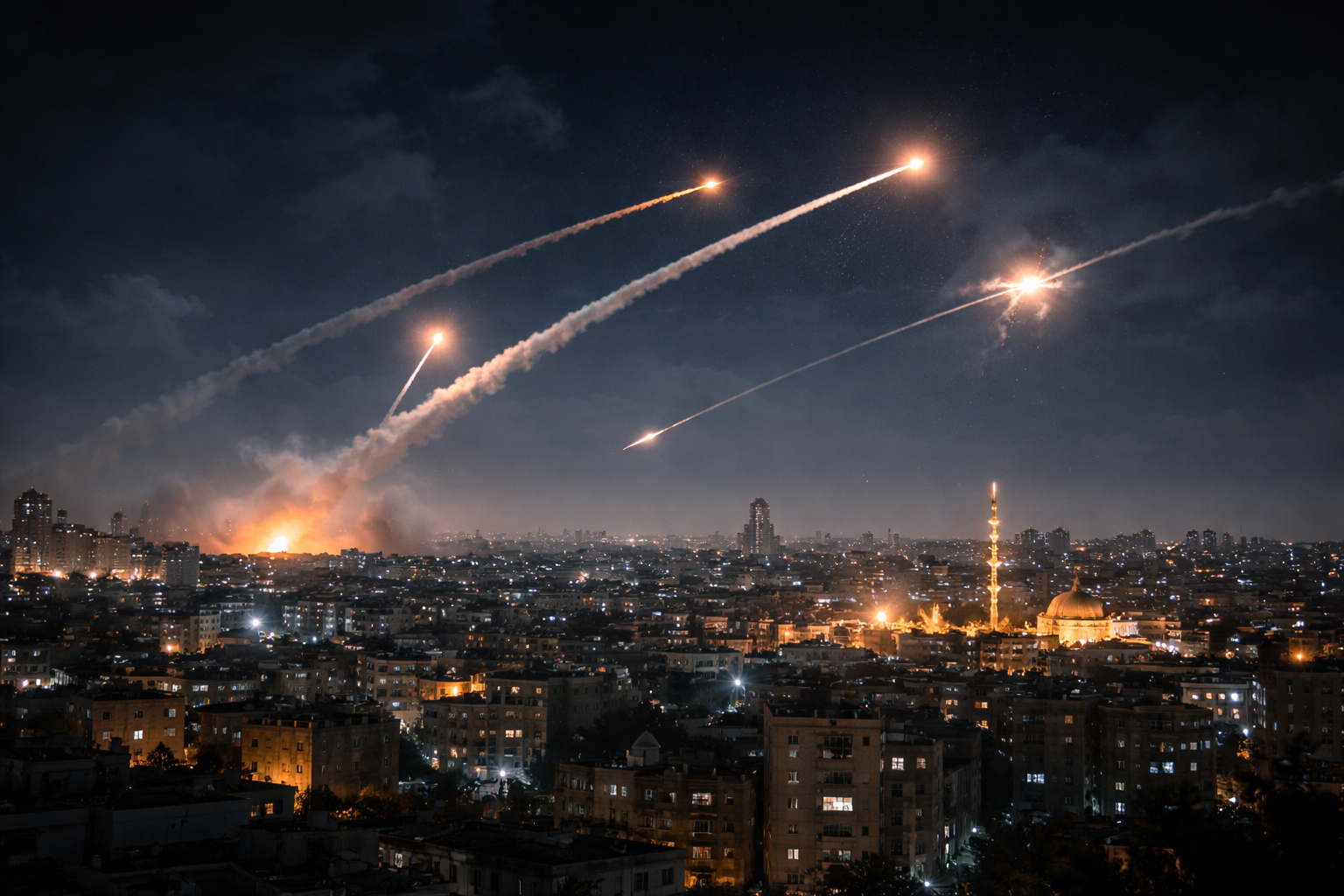
Beyond the numbers, this ceasefire brings a temporary sense of relief to people living in the region. Families in Iran, Israel, and neighboring countries have been living under the shadow of potential wider conflict. Even a short pause gives civilians a chance to breathe easier.
Economically, the agreement is being welcomed by businesses and investors. Stock markets in Europe and Asia rose strongly following the news, with travel and energy-related stocks performing particularly well. However, analysts caution that this is only a temporary measure. If negotiations fail after two weeks, volatility could return quickly.
What Happens Next?
Negotiations in Islamabad will be closely watched. Iran has reportedly proposed a 10-point plan that includes longer-term guarantees, while the United States is looking for assurances on shipping safety and regional stability.
The coming days will be critical. Diplomats from several countries, including China, Russia, and European nations, are expected to play supporting roles in trying to turn this short ceasefire into something more lasting.
A Reminder of How Connected We Are
Events like this highlight how deeply interconnected our world has become. A conflict involving two countries in the Middle East can quickly affect fuel prices in Nigeria, inflation in India, heating bills in Europe, and transportation costs in Latin America.
At GTVDaily, we believe it’s important to explain not just what is happening, but why it matters to everyday people no matter where they live.
This two-week window offers a chance for cooler heads to prevail. Whether it leads to a more permanent resolution remains to be seen, but for now, the immediate risk of wider war appears to have been reduced.
We will continue to follow developments closely and bring you clear, balanced updates as the situation evolves.
What are your thoughts on this latest development between the US and Iran? Do you believe this ceasefire will hold and lead to longer-term peace, or is it just a temporary pause? Share your views respectfully in the comments below.
Sources: AP News, BBC, Al Jazeera, Reuters, and GTVDaily editorial research.
Featured image AI-generated. Learn more here