Beyond the Takedown: How Streaming Giants Are Finally Outsmarting Piracy in 2026
For years, the battle against digital piracy felt like a high-stakes game of Whac-A-Mole. As soon as one illegal streaming site was shuttered, three more would pop up in its place. However, as we move through 2026, the narrative is shifting. Streaming platforms have realized that you can’t just sue your way to a solution; you have to out-innovate and out-value the pirates.
Today’s anti-piracy landscape is less about “policing” and more about creating an ecosystem where legal viewing is simply the better experience. Here is how the industry is finally turning the tide.
1. The Invisible Shield: Next-Gen Content Protection
The tech behind your favorite shows has become incredibly sophisticated. We’ve moved far beyond basic password protection.
- Forensic Watermarking: Platforms now use “invisible signatures” on every stream. If a 4K movie leak appears on a torrent site, the studio can trace it back to the exact account and device that captured it within seconds.
- AI-Driven Sentinel Systems: Gone are the days of manual DMCA filings. AI bots now patrol the web 24/7, identifying illegal streams via “fingerprinting” and sending automated takedown requests before a pirated live event even reaches its halftime show.
2. Solving the “Account Sharing” Dilemma
We all remember the great password-sharing crackdown of the early 2020s. In 2026, platforms have refined this approach. Instead of just “locking people out,” they use Behavioral Analytics and Multi-Factor Authentication (MFA) to distinguish between a family member traveling and a stranger using a sold password from a third-party site.
The goal has shifted from punishment to conversion—offering “extra member” slots at a discount rather than a total ban.
3. Fighting Friction with Convenience
Why do people pirate? Often, it’s not because they’re “criminals,” but because of friction. If a show isn’t available in their country or is too expensive, they look elsewhere.
- Global Day-and-Date Releases: Platforms are virtually eliminating “regional lag.” When a hit series drops, it drops globally at the same second, removing the 24-hour window where piracy usually thrives.
- Hyper-Localized Pricing: By adjusting subscription costs based on local economies, platforms are making legal access more affordable than the risk of downloading malware-infested pirated files.
4. The Human Element: Education and Incentives
You can’t win a war of technology without winning the hearts of the audience. Many viewers don’t realize that piracy directly drains the budgets for their favorite niche sci-fi shows or indie documentaries.
Modern platforms are leaning into Loyalty Rewards. From exclusive digital collectibles (NFTs/Badges) to “early access” tiers for long-term subscribers, the message is clear: Being a fan means supporting the creators.
5. A United Front: Industry Collaboration
Piracy is too big for one company to handle. In 2026, we’re seeing unprecedented cooperation between Internet Service Providers (ISPs), advertising networks, and streaming giants. By “following the money” and cutting off the ad revenue that sustains illegal sites, the industry is making piracy a bad business model.
The Verdict
The war on piracy isn’t over, but it has changed. By prioritizing user experience, fair pricing, and invisible tech, streaming services are proving that the best way to stop a pirate is to provide a service that makes piracy feel like a hassle. When the legal option is faster, safer, and higher quality, everybody wins.
Transparency Note: At GTVDaily, we aim to provide the most accurate insights into the evolving streaming landscape. However, please note that this article is for informational purposes only. The effectiveness of anti-piracy strategies can vary based on regional laws, platform technology, and shifting user trends. We recommend consulting with security professionals for specific implementations.
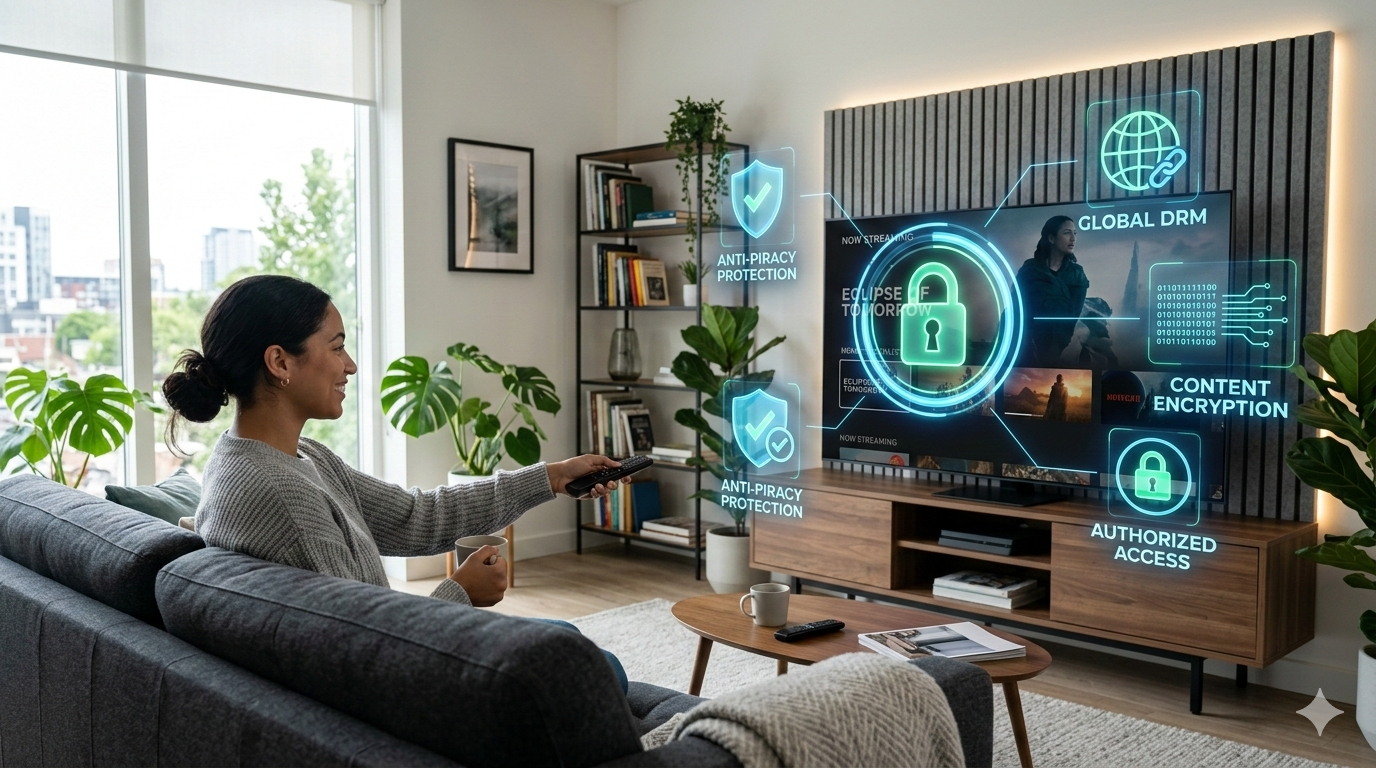
Featured image AI-generated. Learn more here