Snakebite Deaths in Nigeria Raise Fresh Concerns Over Antivenom Shortages and Emergency Medical Readiness
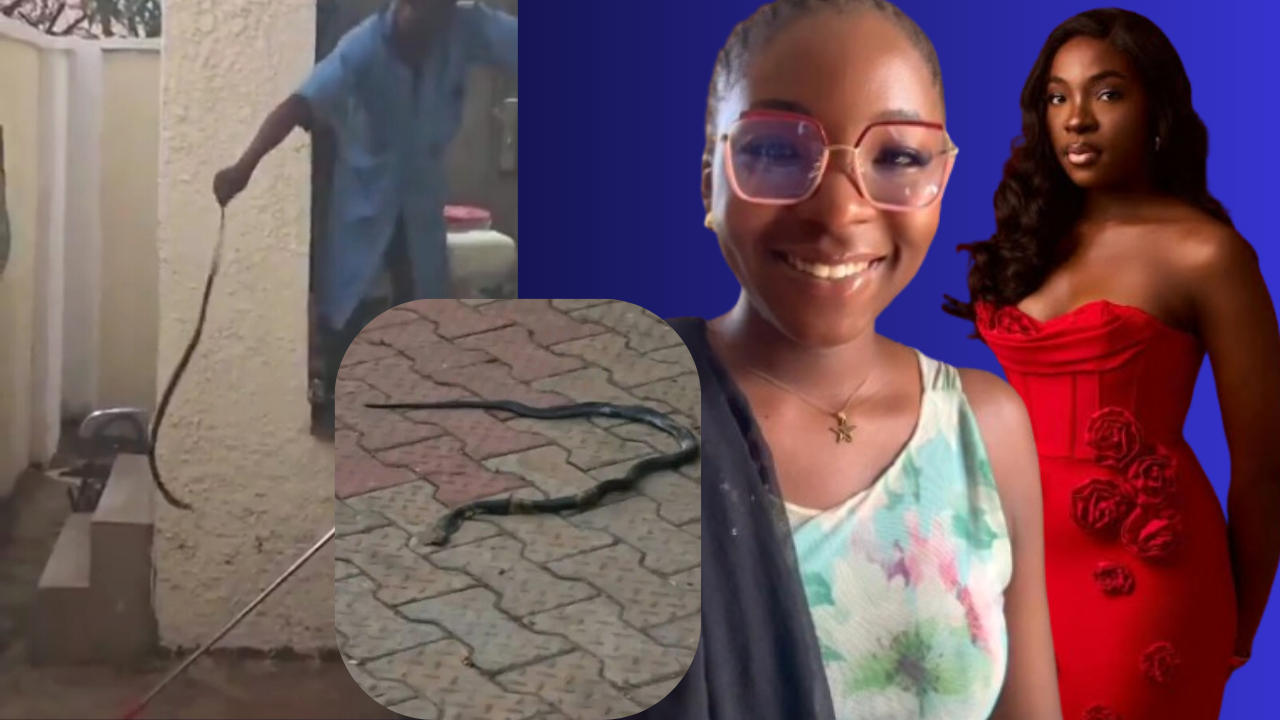
Nigeria has been thrown into grief following the death of Ifunanya Nwangene, a 26-year-old aspiring singer, who died after being bitten by a snake in her apartment in Abuja, the nation’s capital.
Ifunanya rose to fame in 2021 after appearing on The Voice Nigeria. She stood out for her versatile voice, blending jazz, opera, classical music, and soul. She was also a trained architect, showing her wide range of talents.
Snake Found in Her Home
Reports indicate that a snake was discovered in her apartment after the incident. Videos circulating online show a snake handler removing a reptile as bystanders screamed in fear, identifying it as a cobra. Friends later said two snakes were found in the residence.
A close friend and music director of the Amemuso Choir, where Ifunanya sang, described her as a “rising star” who had planned her first solo concert later this year. Another friend said she was asleep when the snake bit her and woke up in distress.
Medical Emergency and Antivenom Shortage
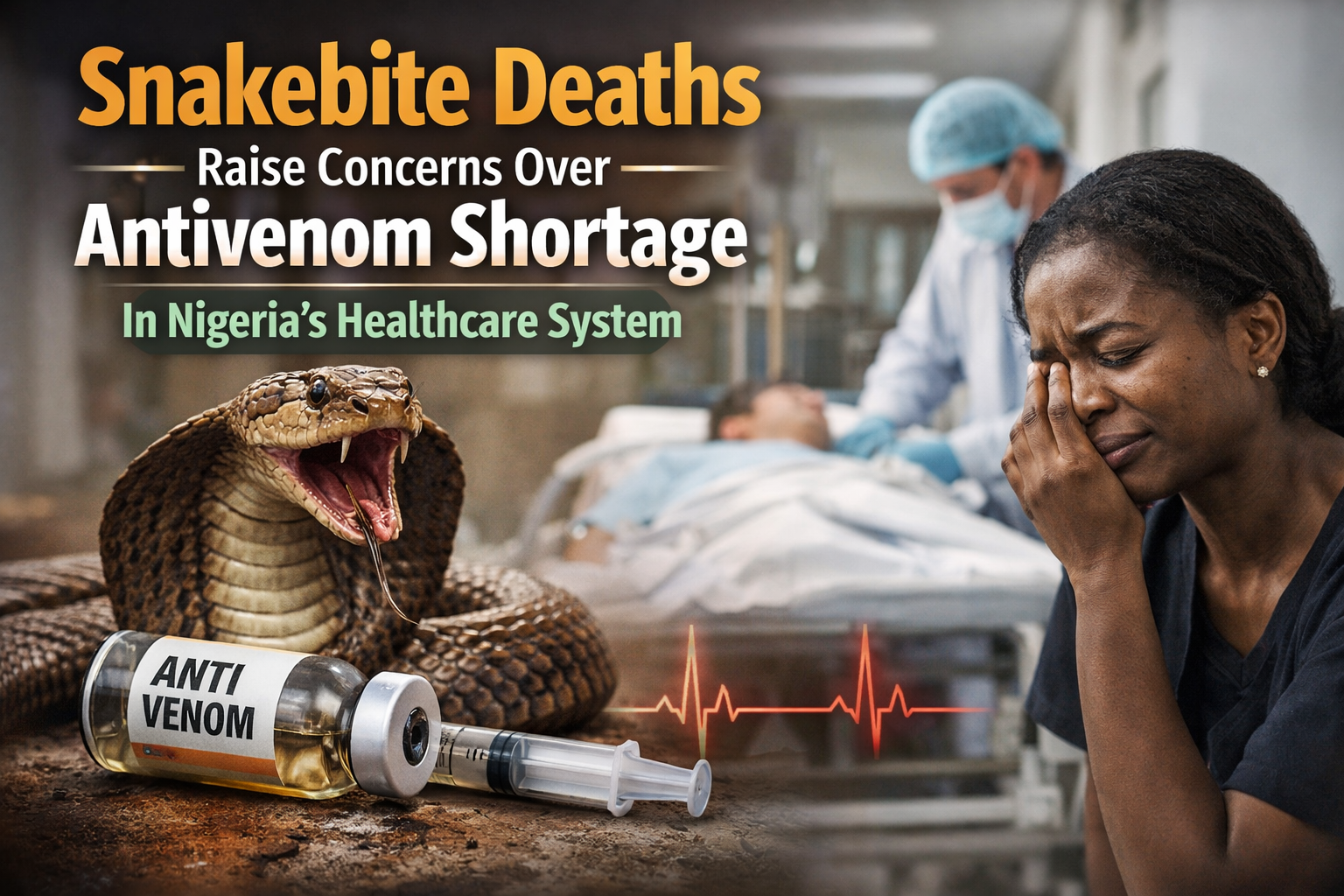
She first sought treatment at a nearby clinic, but it did not have the required antivenom. She was then taken to a hospital. Friends reported that the hospital had one type of antivenom but lacked the other needed for complete treatment.
Medical staff tried to stabilize her, but she struggled to breathe. Efforts were made to find the missing antivenom, but she sadly did not survive.
Earlier Snakebite Case: Zainab Umar (2017)
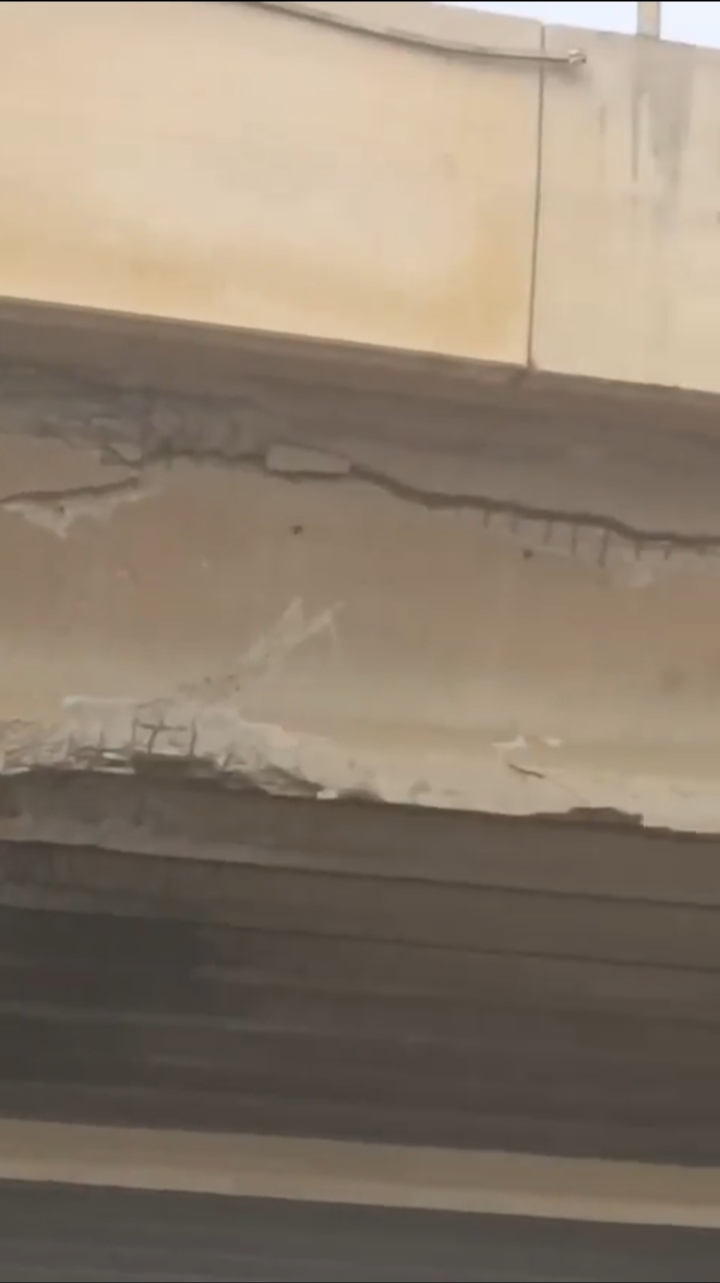
This is not the first time Nigeria has faced such tragedies. In October 2017, Zainab Umar, a final-year Economics student at Umaru Musa Yar’Adua University in Katsina, died after a snake bit her on campus. She received initial treatment at the university clinic but later died.
Following her death, the university hired traditional snake handlers to remove snakes from the campus. These handlers are believed to possess unique skills to handle venomous snakes safely. However, the approach drew criticism, highlighting the lack of proper medical response systems.
Both Ifunanya and Zainab’s cases show a recurring problem: hospitals in Nigeria often lack timely access to lifesaving antivenom.
Why Antivenom is Critical
Snake venom can attack the nervous system, blood, or organs. Without treatment, complications worsen fast. Antivenom is the only specific treatment that neutralizes venom.
Challenges in Nigeria and similar African countries include:
- Limited hospital stock of antivenom
- High cost
- Need for refrigeration and stable electricity
- Supply gaps and low local production
Health experts say many snakebite cases go unreported because victims seek care from traditional healers. In urban areas, however, access to skilled native doctors may be limited, leaving hospitals as the only option.
Urban Risk and Healthcare Gaps
Environmental changes, urban expansion, and poor waste management are increasing encounters with snakes. Snakes can enter homes through drainage systems or vegetation, meaning the risk is no longer limited to rural areas.
These deaths highlight urgent concerns about hospital readiness, emergency referrals, and public awareness of snakebite first aid. Many Nigerians fear that survival can depend solely on whether a hospital has the correct antivenom in stock.
A Wake-Up Call
Ifunanya Nwangene’s death is not only a personal tragedy but also a national concern. The recurring snakebite cases in Nigeria call for:
- Improved emergency medical readiness
- Better antivenom availability