Simple Budgeting Methods Anyone Can Use to Control Spending in 2026
Managing your money doesn’t have to be complicated. Whether you’re a student, a young professional, or simply looking to save more, following a practical budgeting method can help you control spending, build savings, and achieve financial goals. In 2026, with rising costs and changing lifestyles, having a solid budget is more important than ever. This guide will walk you through simple budgeting techniques anyone can use, even if you’re starting from scratch.
1. Understand the 50/30/20 Rule
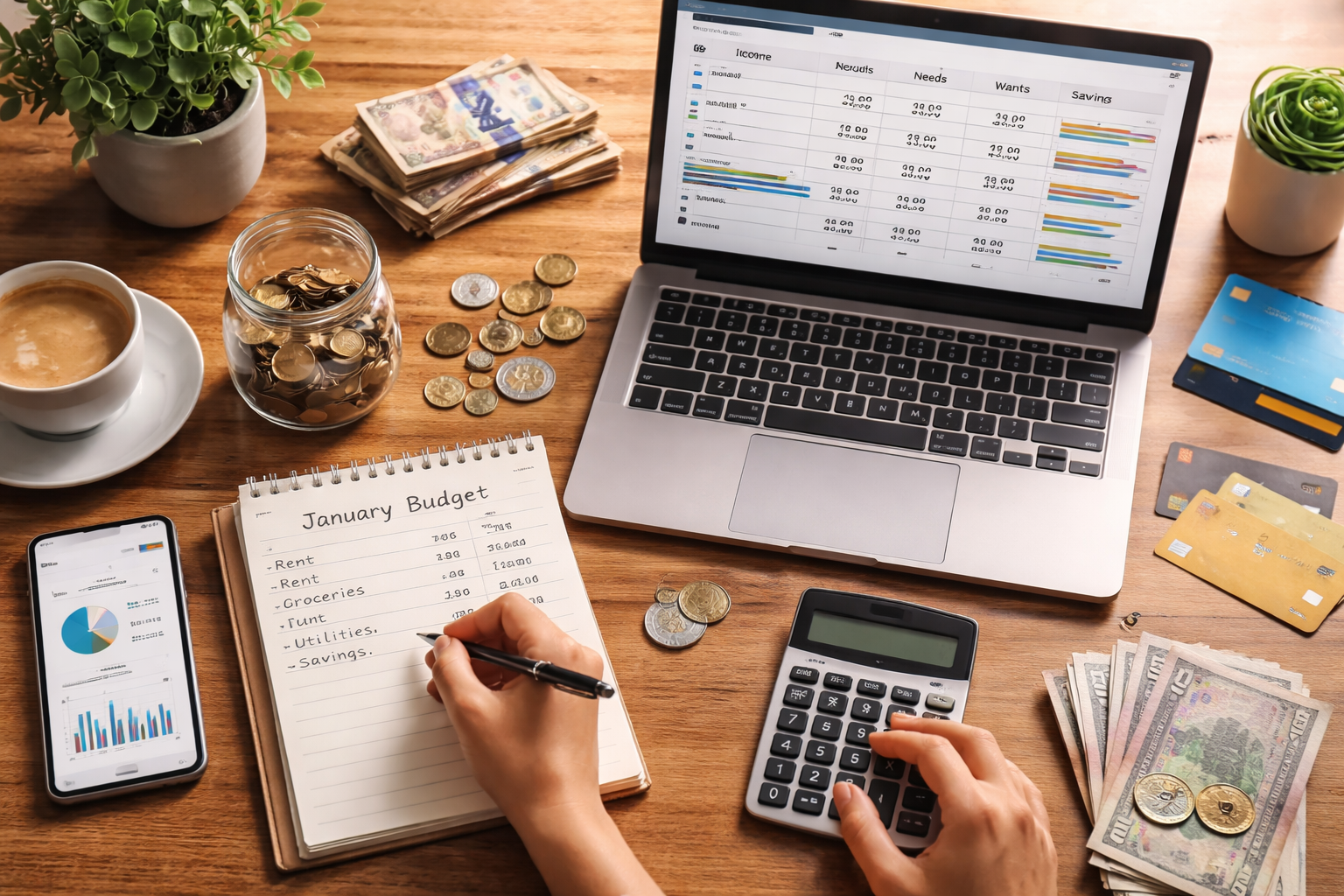
One of the most popular and effective budgeting methods is the 50/30/20 rule. It divides your income into three categories:
- 50% for Needs: Rent, utilities, groceries, transportation, and essential bills.
- 30% for Wants: Entertainment, dining out, hobbies, and non-essential items.
- 20% for Savings & Debt: Emergency funds, investments, and paying off debts.
This method is easy to track and provides a balance between living comfortably now and planning for the future.
2. Track Your Expenses
Tracking your spending is essential to understand where your money goes. Even small, daily purchases can add up over time.
Tips for tracking expenses:
- Use a spreadsheet, a budgeting app, or a notebook
- Record every expense for at least a month
- Categorize spending (needs, wants, savings)
- Review regularly to see where you can cut back
Knowing your habits is the first step toward controlling your finances.
3. Differentiate Between Needs and Wants
Budgeting is not just about numbers — it’s also about decision-making.
- Needs are essentials like food, housing, healthcare, and transportation.
- Wants are extras, like subscription services, new gadgets, or luxury dining.
Before making a purchase, ask yourself:
- Do I truly need this?
- Will this expense affect my savings goals?
This simple habit can prevent unnecessary spending and help you stick to your budget.
4. Build an Emergency Fund
An emergency fund is money set aside for unexpected events such as medical emergencies, job loss, or urgent home repairs.
Tips for building an emergency fund:
- Aim for 3–6 months of living expenses
- Keep it in a separate, easily accessible account
- Start small — even ₦5,000–₦10,000 per month adds up quickly
Having a financial safety net reduces stress and prevents reliance on credit cards or loans during crises.
5. Avoid Impulse Spending
Impulse purchases are one of the biggest budget killers. Simple strategies can help you avoid them:
- Plan your shopping ahead of time and stick to a list
- Wait 24–48 hours before making non-essential purchases
- Unsubscribe from marketing emails that encourage impulsive buying
Even small changes in spending habits can result in significant savings over time.
6. Automate Your Savings
Automating your savings ensures consistency without relying on willpower.
- Set up automatic transfers to your savings or investment account every month
- Treat savings as a non-negotiable “expense”
- Gradually increase the amount as your income grows
Automated saving helps you reach financial goals faster and reduces the temptation to spend.
7. Plan for Irregular Expenses
Many people overlook irregular or annual expenses when budgeting. These include:
- Insurance premiums
- School fees
- Subscription renewals
- Annual gifts or travel
Set aside a small amount each month specifically for these costs to prevent budget surprises.
8. Common Budgeting Mistakes to Avoid
Even with a budget, mistakes can derail your progress. Watch out for:
- Forgetting small daily expenses
- Failing to adjust your budget when income changes
- Using cash only without tracking
- Not reviewing your budget regularly
Avoiding these pitfalls ensures your budget works effectively.
Conclusion
Budgeting doesn’t have to be overwhelming. By applying methods like the 50/30/20 rule, tracking expenses, distinguishing needs from wants, and building an emergency fund, anyone can gain control over their finances. Start small, stay consistent, and over time, you’ll see significant improvements in your savings, spending habits, and financial security.
In 2026, taking charge of your money is one of the smartest moves you can make — your future self will thank you.
Read Also:
- Build a Healthy Daily Routine in 2026 — practical steps to improve your lifestyle and productivity.
- 5 Simple Steps to Protect Your Personal Data Online in 2026 — essential tips to secure your digital information.
- Aliko Dangote’s First Private Refinery: What You Should Know — insights into one of Nigeria’s major business ventures.
- Femi Otedola Biography, Philanthropy, and Success — learn from the journey of one of Africa’s leading entrepreneurs.