No, Akon Did Not Give Him $1 Million: Viral Star Rushawn Ewears Debunks Dangerous Rumors
The internet is a double-edged sword. One day you’re a classroom sensation bringing joy to millions; the next, you’re the target of high-stakes misinformation. This is the reality for Rushawn Ewears, the young Jamaican singer who captured the world’s heart with his soulful rendition of “It’s a Beautiful Day.”
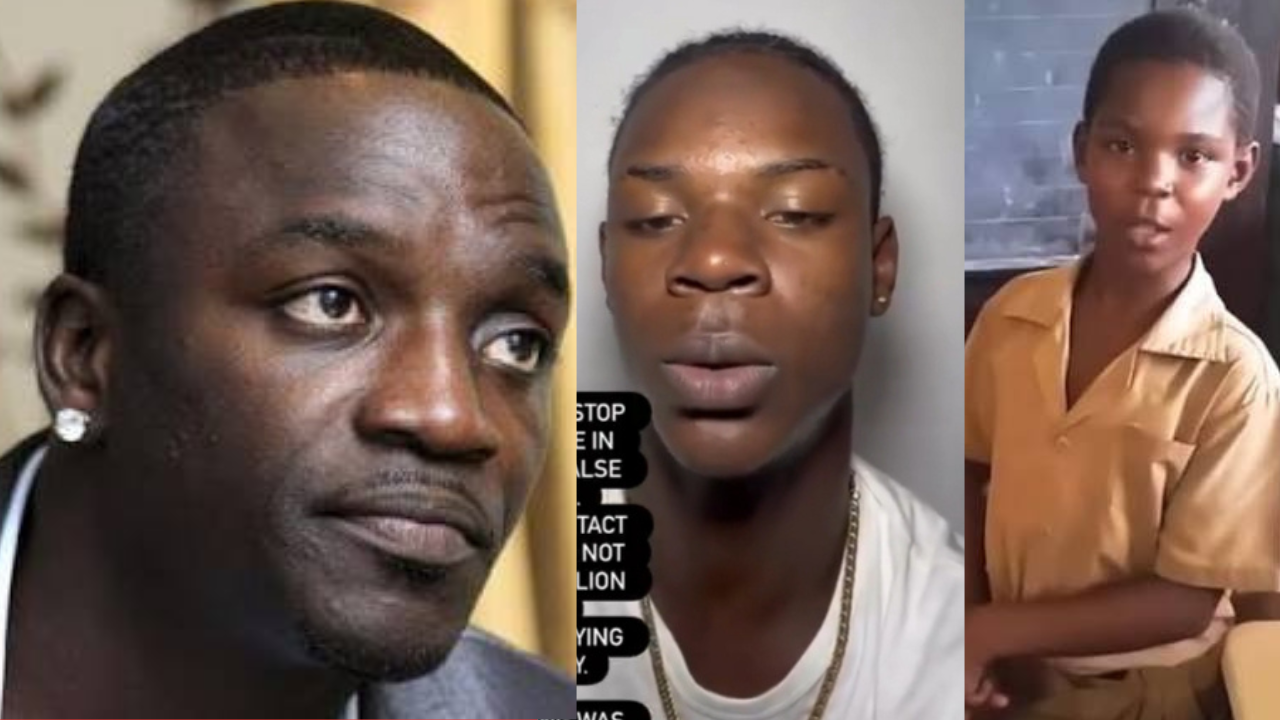
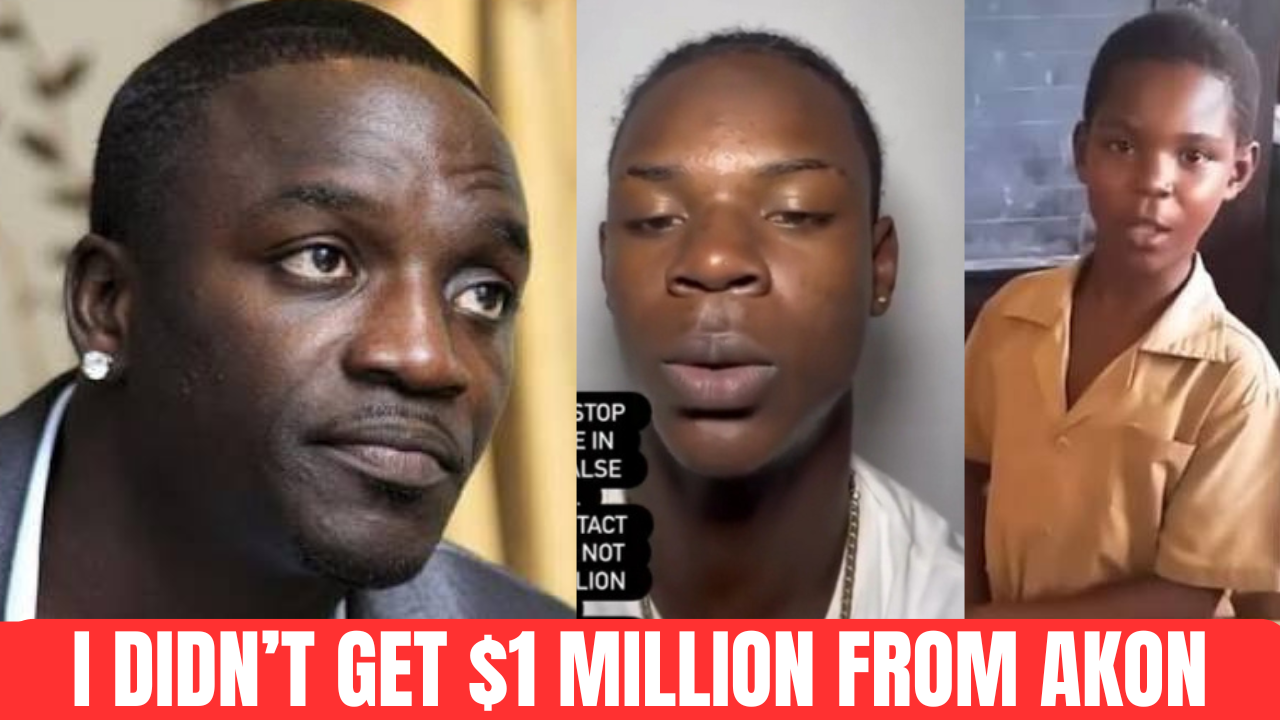
Despite persistent rumors circulating on social media, Rushawn has officially set the record straight: he has not received a $1 million payout from Akon, and the “fake news” surrounding his wealth is becoming a serious threat to his personal safety.
Video credit: glimpsetv
The Origin Story: How “It’s a Beautiful Day” Went Global
Before we dive into the controversy, it’s important to remember why the world fell in love with Rushawn in the first place. A few years ago, a simple video of a young boy singing in his school uniform took the internet by storm.
The track, originally written by Jamaican gospel artist Jermaine Edwards, became an anthem of hope. Rushawn’s raw, pitch-perfect vocals didn’t just earn him likes; they earned him a collaboration with the original artist and a remix that climbed international charts. However, with that massive exposure came the darker side of digital fame: unverified sensationalism.
Setting the Record Straight: “Stop Putting My Life in Danger”
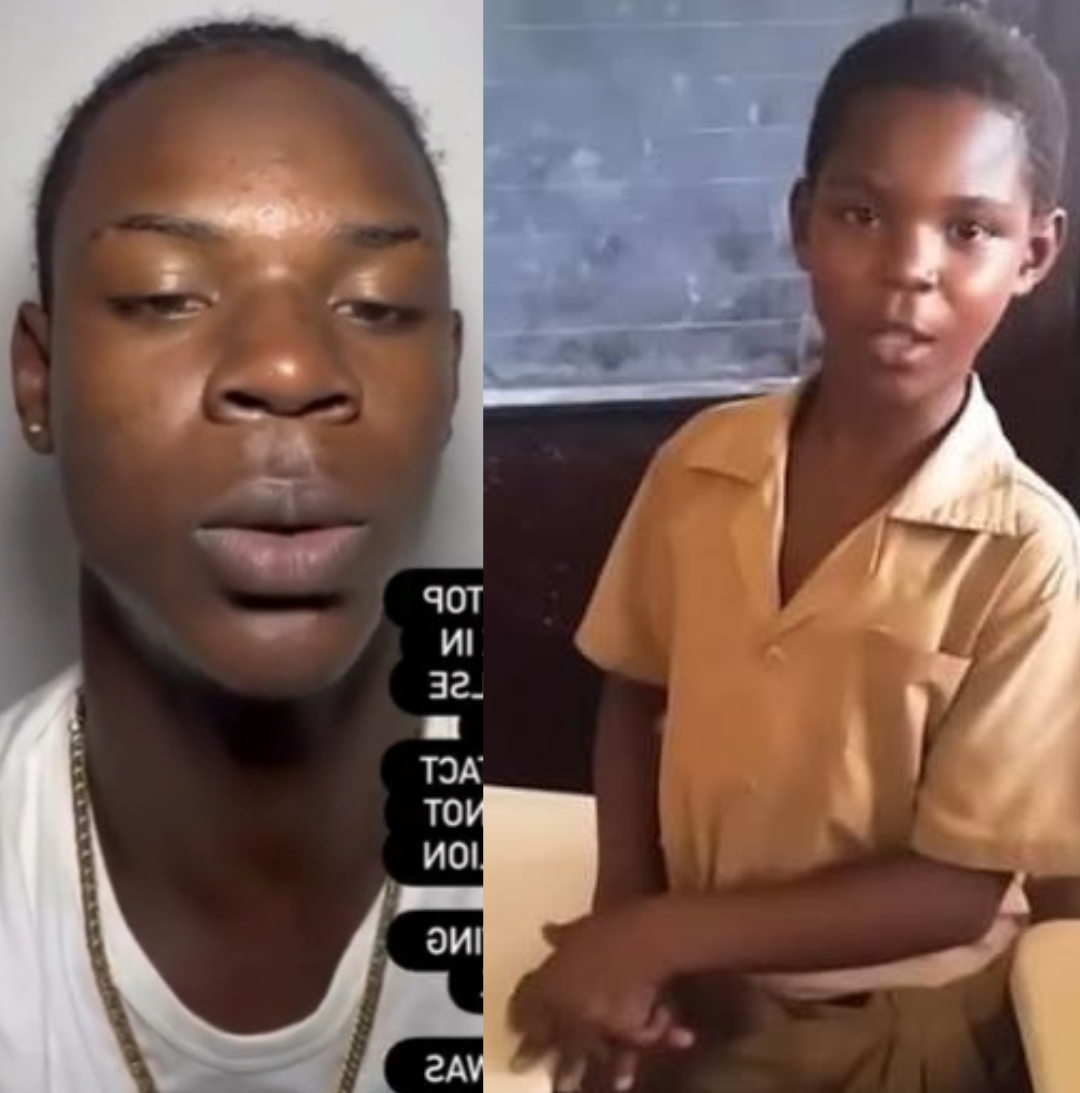
Now a teenager, Rushawn recently took to social media to address the viral claims that music mogul Akon had gifted him $1 million for the rights to his song. In a sobering video, the young singer looked directly into the camera to plead for the rumors to stop.
“I just want to make something clear, I didn’t receive any money from anyone except Jermaine Edwards who wrote ‘Beautiful Day.’ And ‘Beautiful Day’ is not a demo. I didn’t receive any $1 million from Akon. False statements like this are putting my life in danger. Please stop making false information.”
Why These Rumors Are Dangerous
In many regions, especially within developing economies, publicizing a child as a “millionaire” makes them an immediate target for:
- Extortion and Kidnapping: Criminal elements may target the family based on non-existent wealth.
- Social Harassment: Constant requests for money from strangers and acquaintances.
- Mental Health Strain: The pressure of living up to a wealthy persona that doesn’t exist.
The Role of Jermaine Edwards and Professional Integrity
Jermaine Edwards, the songwriter behind the hit, has been a steady mentor for Rushawn throughout this journey. Edwards has also expressed frustration over how the story has been twisted.
The “Akon story” likely stems from the fact that Akon has a history of scouting African and Caribbean talent. However, in this instance, the “deal” was a fabrication of “clickbait” blogs looking for engagement. The reality is much more grounded: Rushawn has seen success through legitimate streaming royalties and his partnership with Edwards, but nothing close to the astronomical figures being quoted online.
3 Lessons on the Ethics of Viral Content
Rushawn’s experience is a cautionary tale for the digital age. If we want to support young creators, we must change how we consume “news.”
- Verify Before You Share: A flashy headline about a massive payout is often designed to trigger an emotional response (envy or joy) to get a click. Always look for a primary source.
- The Impact of “Clout Chasing”: Content creators who spread these rumors often don’t consider the real-world safety of the subject. For a teen in Jamaica, a “fake” $1 million headline isn’t a compliment—it’s a bullseye.
- Support Original Artists Directly: Instead of sharing rumors, support Rushawn by streaming his music on verified platforms like Spotify or Apple Music, where he actually receives the credit and compensation he deserves.
Final Thoughts: Protecting the Future of Young Talent
The story of Rushawn Ewears should be one of triumph. He is a talented young man who used his voice to lift spirits worldwide. It is a tragedy that he now has to use that same voice to beg for his safety.
As we move forward in 2026, the responsibility falls on us—the audience—to demand better from the blogs we follow and the news we share. Rushawn is not a “viral product”; he is a young artist navigating a complex world. Let’s stick to the facts and keep the focus on the music.
What do you think about the rise of “fake news” in the music industry? Have you seen other artists targeted by dangerous wealth rumors? Let us know in the comments below.
For more verified updates on your favorite viral stars and the latest in global music news, stay tuned to GTVDaily.com.