African music has conquered the world. What was once dismissed as regional or niche entertainment has become a dominant force in global popular culture. From the pulsating rhythms of Afrobeats to the soulful sounds of Amapiano, African music is everywhere in 2026 and shows no signs of slowing down.
The Afrobeats Revolution
The story of African music’s global rise is inseparable from the story of Afrobeats. Born in Nigeria and shaped by the creative genius of artists like Fela Kuti, 2Baba, D’banj and later Wizkid, Burna Boy, Davido and Tems, Afrobeats evolved from a local genre into a global phenomenon.
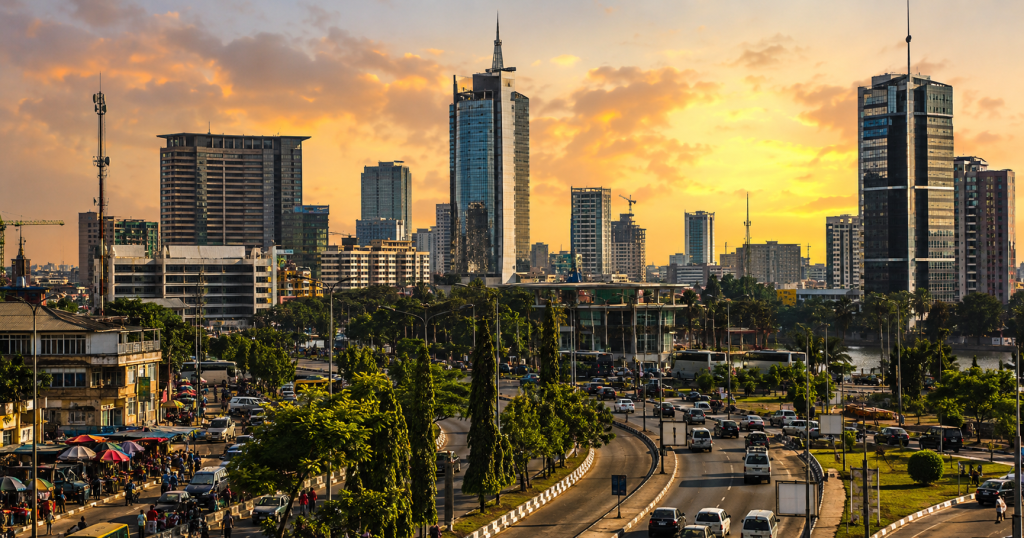
The moment that changed everything came when Wizkid’s collaboration with Drake on One Dance became one of the best-selling singles in music history. Suddenly the world was paying attention to what was coming out of Lagos. Record labels, streaming platforms and music journalists began to take African music seriously in a way they never had before.
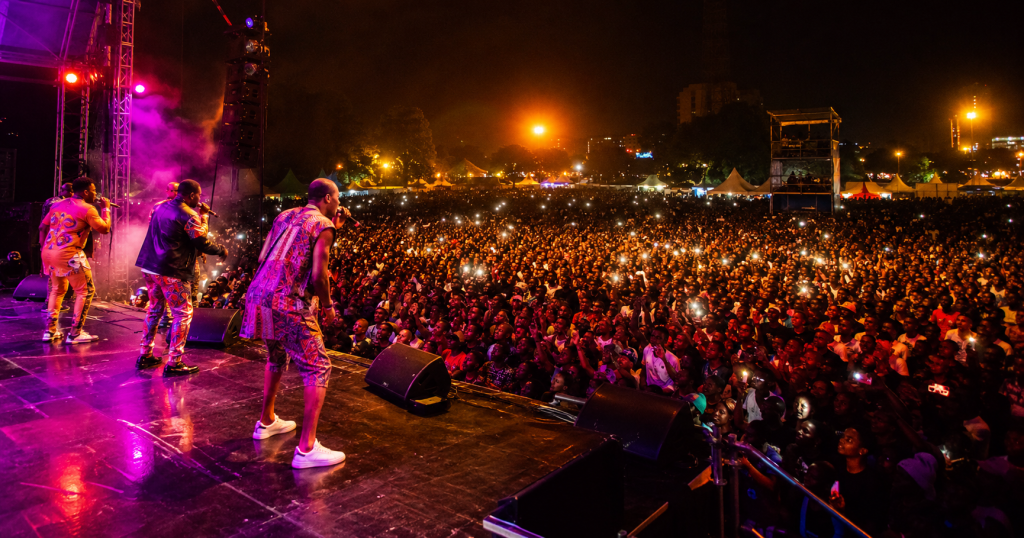
Today Afrobeats artists regularly headline major international music festivals, collaborate with the world’s biggest artists and rack up billions of streams on platforms like Spotify and Apple Music. Burna Boy’s Grammy wins and sold-out world tours have demonstrated that African artists can compete at the very highest levels of the global music industry.
Amapiano: South Africa’s Gift to the World
While Nigeria’s Afrobeats was conquering one part of the globe, South Africa was quietly developing its own musical revolution. Amapiano, a uniquely South African genre that blends elements of house music, jazz and soul, emerged from the townships of Johannesburg and Pretoria to become one of the most globally streamed music genres.
Artists like Kabza De Small, DJ Maphorisa, Focalistic and Ami Faku have become international stars on the strength of Amapiano’s infectious rhythms and distinctive log drum sound. The genre has inspired countless imitations and adaptations around the world, from Europe to the Americas to Asia.
The Business of African Music
The global success of African music is not just a cultural story but an economic one. The African music industry is now worth billions of dollars and growing rapidly. Streaming revenues, live performance fees, brand endorsements and merchandise sales are creating genuine wealth for African artists and the broader music ecosystem.
Music producers, sound engineers, video directors, stylists, managers and many other professionals are building successful careers on the back of African music’s global success. The industry is creating a new generation of African entrepreneurs and creative professionals.
African music festivals have also become major economic events. Events like Afro Nation, which brings together the biggest names in Afrobeats and draws tens of thousands of fans from around the world, generate significant revenue for host countries through tourism, hospitality and entertainment spending.
The Role of Social Media and Streaming
African music’s global rise would not have been possible without social media and streaming platforms. YouTube, Instagram, TikTok and Twitter have allowed African artists to reach global audiences directly without needing the backing of major international record labels.
TikTok in particular has been a game changer for African music discovery. A catchy Afrobeats or Amapiano track can go viral on TikTok overnight, reaching millions of potential fans around the world. Several African artists have broken into international markets largely through the power of TikTok virality.
Streaming platforms like Spotify and Apple Music have also played crucial roles by creating African music playlists and promoting African artists to their global user bases. The data from these platforms showing the enormous popularity of African music has helped make the business case for greater investment in the continent’s music industry.
The Future of African Music
The global dominance of African music shows no sign of slowing down. A new generation of talented African artists is emerging, pushing the boundaries of existing genres and creating entirely new sounds. The infrastructure supporting the African music industry is also improving with better recording studios, more professional management and growing investment from both local and international sources.
African music is also becoming more diverse in its global appeal. While Afrobeats and Amapiano have led the charge, genres like Afro-fusion, Highlife, Bongo Flava from Tanzania and Gengetone from Kenya are also finding international audiences.
The world is listening to Africa and what it hears is music that is joyful, creative, deeply rooted in culture yet open to the world. African music’s global moment is not a trend but a permanent shift in the cultural landscape of our world.