Africa is experiencing a period of significant transformation in 2026. From political shifts to economic breakthroughs, the continent continues to make its mark on the global stage. For too long Africa has been defined by its challenges rather than its achievements. That narrative is rapidly changing. Here are five major events currently shaping the African story and why they matter to every African and to the world at large.
1. The Rise of African Tech Hubs
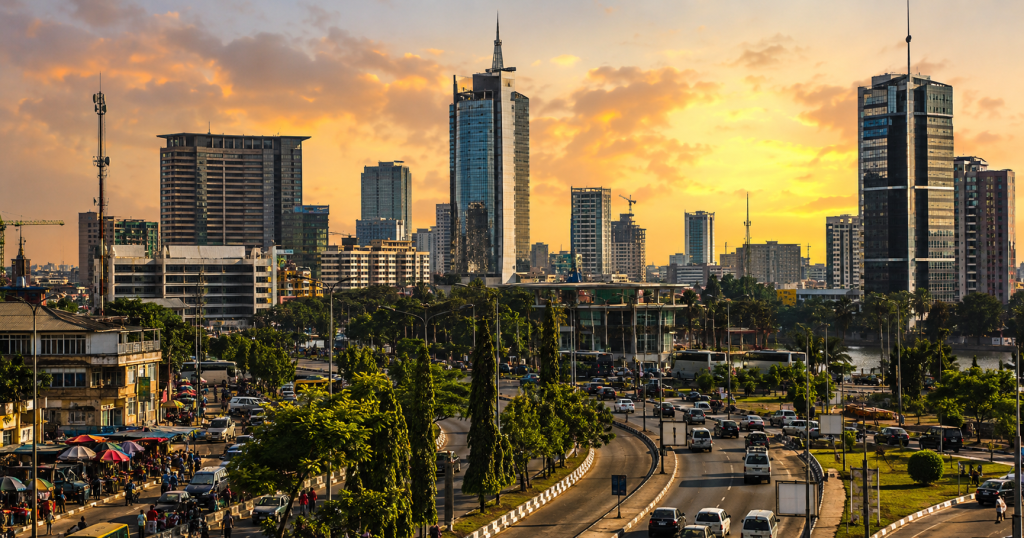
Africa’s technology sector is booming like never before. Cities like Lagos, Nairobi, Accra and Cape Town have emerged as major technology hubs attracting billions of dollars in investment from global companies. Young African entrepreneurs are building solutions that address local challenges while competing on the world stage.
From fintech companies revolutionizing how millions of unbanked Africans access financial services to agritech startups helping farmers maximize yields, African innovation is changing lives across the continent. Nigeria alone produced several unicorn startups in recent years, companies valued at over one billion dollars, proving that African tech is no longer just promising but delivering real results.
The growth of co-working spaces, incubators and accelerators across major African cities has created ecosystems where young entrepreneurs can access mentorship, funding and networks needed to scale their businesses. Governments are also beginning to create enabling environments through supportive policies and infrastructure investment.
2. The African Continental Free Trade Area Taking Shape
The African Continental Free Trade Area commonly known as AfCFTA is gradually transforming how African countries do business with each other. With reduced trade barriers and improved infrastructure, goods and services are moving more freely across borders than ever before.
Before AfCFTA, an African trader doing business across borders faced some of the highest tariffs and trade barriers in the world. It was often cheaper and easier to trade with Europe or Asia than with a neighboring African country. AfCFTA is changing this reality by creating a single market of over 1.4 billion people.
Economists predict this could add trillions of dollars to Africa’s collective economy over the next decade. Small and medium businesses are among the biggest beneficiaries as they gain access to larger markets without the prohibitive costs that previously made cross-border trade impossible for smaller operators.
3. Climate Change Challenges Facing African Communities
African communities are among the most affected by climate change despite contributing the least to global emissions. Farmers across the Sahel region are adapting to changing rainfall patterns while coastal communities in West and East Africa face rising sea levels and increased flooding.
The human cost of climate change in Africa is already being felt. Droughts are becoming more frequent and severe in the Horn of Africa leading to food insecurity for millions. In Nigeria, flooding has displaced hundreds of thousands of people in recent years destroying homes, farmlands and livelihoods.
Yet Africa is also showing remarkable resilience and innovation in responding to these challenges. Community-led reforestation projects, drought-resistant crop varieties and solar-powered irrigation systems are helping farmers adapt. Governments and international organizations are increasingly working together to fund climate adaptation programs that protect vulnerable communities.
4. Youth Population Driving Economic Growth
Africa has the youngest population of any continent with over 60 percent of its people under the age of 25. This young population is increasingly educated, connected and entrepreneurial. Rather than seeing this as a challenge, many economists view Africa’s youth bulge as its greatest economic asset for the coming decades.
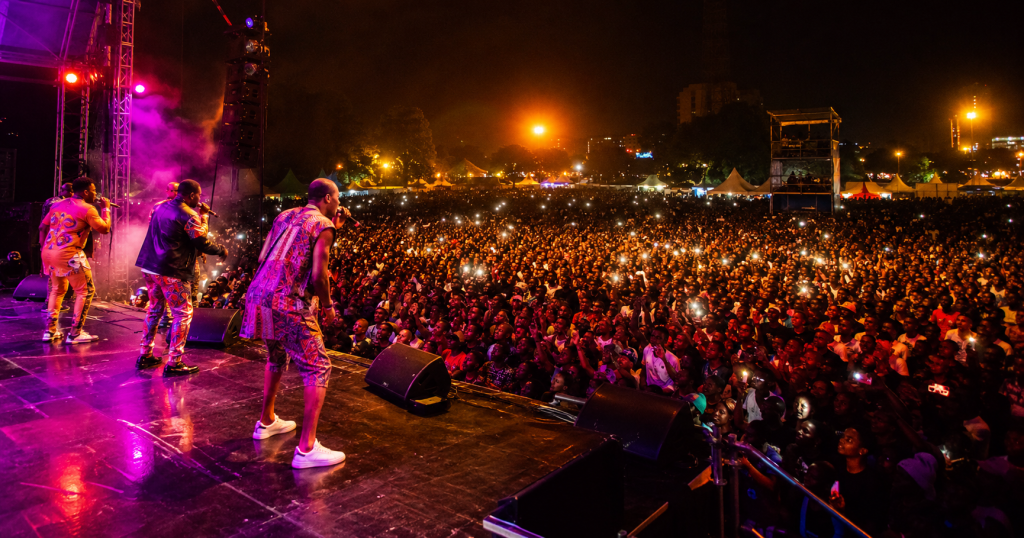
Young Africans are not waiting for opportunities to come to them. They are creating opportunities through entrepreneurship, creative industries, technology and social enterprises. The African music industry alone, led by genres like Afrobeats and Amapiano, has become a global cultural force generating billions in revenue and creating hundreds of thousands of jobs.
Education access is also improving across the continent with more young Africans completing secondary and tertiary education than any previous generation. This educated young workforce is exactly what Africa needs to power its economic transformation in the decades ahead.
5. Strengthening Democracy Across the Continent
Several African nations held peaceful elections in recent years demonstrating a growing commitment to democratic governance. Civil society organizations, independent media and an engaged citizenry are holding governments accountable like never before.
The role of social media and digital platforms in African democracy cannot be overstated. Young Africans are using platforms like Twitter, Instagram and TikTok to organize, advocate and hold power to account. Citizen journalism is filling gaps left by traditional media and ensuring that stories from every corner of the continent can reach a global audience.
While challenges remain in some countries, the overall trend toward stronger democratic institutions, greater transparency and increased citizen participation is encouraging. Africa’s democratic journey is far from complete but the direction of travel is positive.
The African Story in 2026
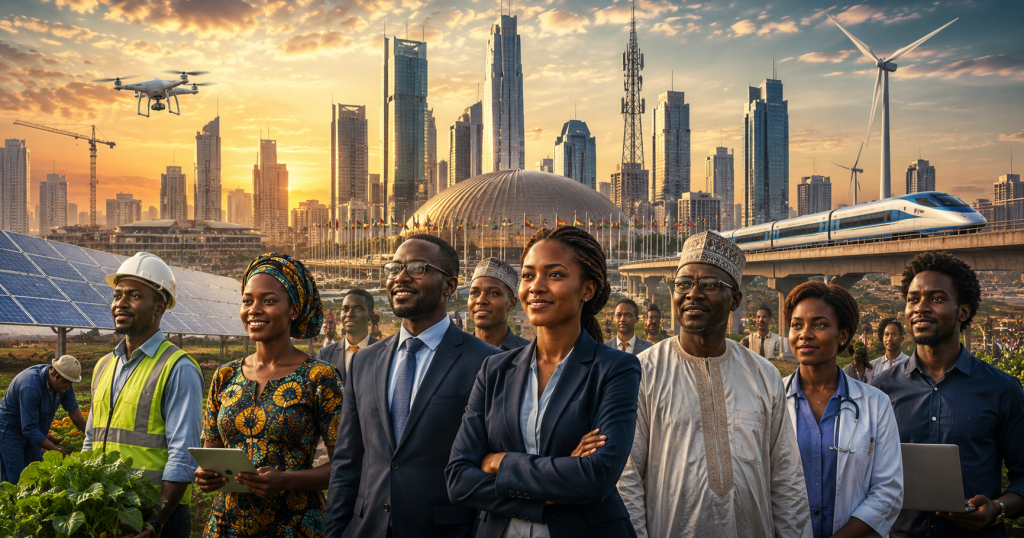
Africa’s story in 2026 is one of resilience, innovation and transformation. The continent faces real and serious challenges but it also possesses extraordinary resources, talent and determination. As the world’s fastest growing continent with the youngest population, Africa’s journey will shape the global story for generations to come.
For Africans everywhere, this is a moment of great possibility. The decisions made today by governments, businesses, communities and individuals will determine whether Africa fulfills its enormous potential. The signs are encouraging and the momentum is building.