
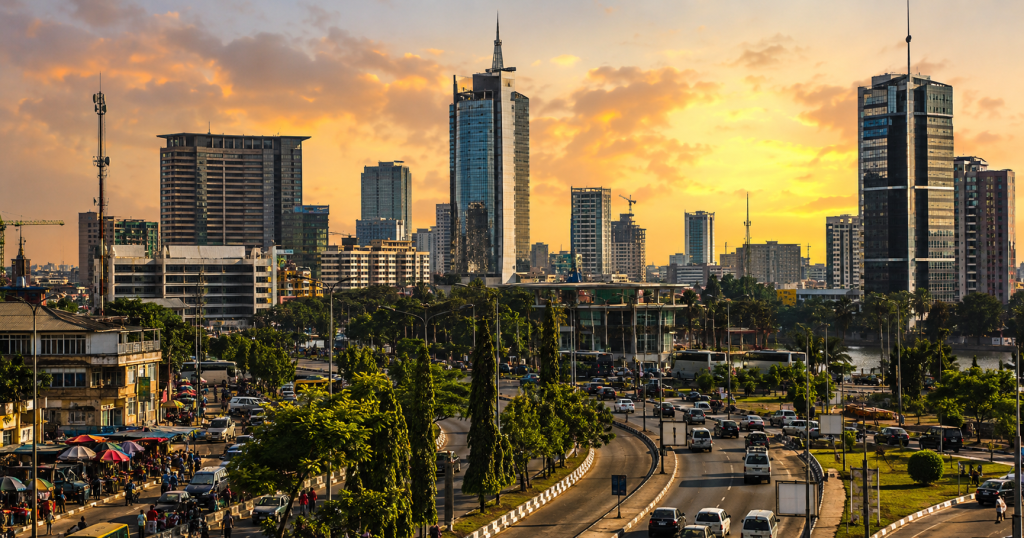
The Current Economic Landscape
Nigeria, Africa’s largest economy, stands at a critical crossroads in 2026. The decisions being made today by government, businesses and ordinary Nigerians will shape the country’s economic trajectory for decades to come. Despite significant challenges, there are genuine reasons for cautious optimism about Nigeria’s economic future.
Nigeria’s economy has faced considerable headwinds in recent years. Inflation, currency devaluation, fuel subsidy removal and rising cost of living have put enormous pressure on ordinary Nigerians. Many households are spending a larger share of their income on basic necessities like food, transportation and utilities than at any point in recent memory.
The naira has experienced significant volatility against major currencies, making imported goods more expensive and squeezing businesses that rely on foreign inputs. Small and medium enterprises, which form the backbone of Nigeria’s economy, have been particularly affected by these challenges.
Yet despite these difficulties, Nigeria’s economy continues to show remarkable resilience. The informal sector, which employs the majority of Nigerians, has demonstrated extraordinary adaptability. Entrepreneurs across the country are finding creative ways to survive and even thrive despite the difficult economic environment.
The Oil Sector: Still Important but No Longer Dominant
For decades Nigeria’s economy was almost entirely dependent on oil revenues. That dependency is gradually changing. While oil remains important, its share of Nigeria’s GDP and government revenue has been declining as other sectors grow.
The Dangote Refinery, one of the largest in the world, has begun transforming Nigeria’s energy landscape. Rather than exporting crude oil and importing refined petroleum products at great cost, Nigeria is increasingly able to refine its own oil. This shift has significant implications for the country’s foreign exchange position and energy security.
Agriculture: The Sleeping Giant Awakens
Nigeria’s agricultural sector is experiencing a renaissance. With some of the most fertile land in Africa and a large rural population, Nigeria has enormous potential to become a major food producer and exporter. Government programs supporting smallholder farmers, combined with private sector investment in agricultural technology, are beginning to bear fruit.
Young Nigerians are increasingly seeing agriculture not as a last resort but as a genuine business opportunity. Modern farming techniques, access to markets through digital platforms and improved storage and logistics infrastructure are making agriculture more attractive and profitable.
The Tech Sector: Nigeria’s New Economic Engine
Lagos has firmly established itself as Africa’s leading technology hub. Nigerian tech startups have attracted billions of dollars in investment over the past several years, creating thousands of jobs and generating significant export revenue.
Companies like Flutterwave, Paystack, Andela and many others have put Nigeria on the global tech map. The fintech sector in particular has revolutionized how Nigerians access financial services, with millions of previously unbanked citizens now able to send money, save, borrow and invest through their mobile phones.
The Nigerian tech ecosystem continues to mature with more experienced founders, better access to capital and a growing pool of skilled talent. Universities and coding bootcamps are producing more tech graduates than ever before, feeding the industry’s hunger for skilled workers.
Challenges That Must Be Addressed
Despite these positive developments, Nigeria faces serious structural challenges that must be addressed for sustained economic growth. Infrastructure deficits, particularly in power supply, remain a major constraint on business and economic activity. Manufacturers, retailers and service businesses all lose significant productivity due to unreliable electricity.
Security challenges in various parts of the country also have economic consequences, disrupting agricultural production, trade and investment in affected areas. Addressing insecurity is not just a humanitarian imperative but an economic one.
Corruption and weak institutions continue to undermine Nigeria’s economic potential. When businesses cannot rely on fair and consistent enforcement of contracts and regulations, they become reluctant to invest and expand. Strengthening institutions and reducing corruption are essential prerequisites for sustained economic growth.
The Road Ahead
Nigeria’s economic future is neither predetermined nor hopeless. The country possesses extraordinary natural and human resources. Its large and young population, if properly educated and empowered, represents an enormous economic asset. Its agricultural land, if properly developed, could feed much of Africa. Its tech sector, if properly supported, could become a major driver of export revenue and job creation.
The path forward requires sustained commitment to economic reform, infrastructure investment, human capital development and institutional strengthening. It requires governments at all levels to create enabling environments for business while protecting the most vulnerable members of society.
Most importantly it requires the extraordinary resilience, creativity and determination that Nigerians have always demonstrated in the face of adversity. Nigeria’s economic story is still being written and the best chapters may well be ahead.