Africa is on the frontlines of climate change. Despite contributing less than four percent of global greenhouse gas emissions, the African continent is among the most severely affected by the consequences of a warming planet. Rising temperatures, changing rainfall patterns, more frequent extreme weather events and rising sea levels are already having devastating impacts on African communities, economies and ecosystems.
Yet Africa is not simply a victim of climate change. Across the continent communities, governments, entrepreneurs and innovators are developing remarkable responses to the climate crisis. Africa’s fight back against climate change is one of the most inspiring and underreported stories of our time.
The Reality of Climate Change in Africa
The statistics tell a sobering story. Average temperatures across Africa have risen faster than the global average over the past century. The Sahara Desert is expanding southward, swallowing agricultural land and pushing communities that have farmed the same land for generations into poverty and displacement.
In the Horn of Africa, droughts have become more frequent and severe. The 2022 drought affected over 20 million people across Ethiopia, Kenya and Somalia, destroying crops, killing livestock and forcing mass displacement. Climate scientists warn that such extreme drought events will become more common and more severe as global temperatures continue to rise.
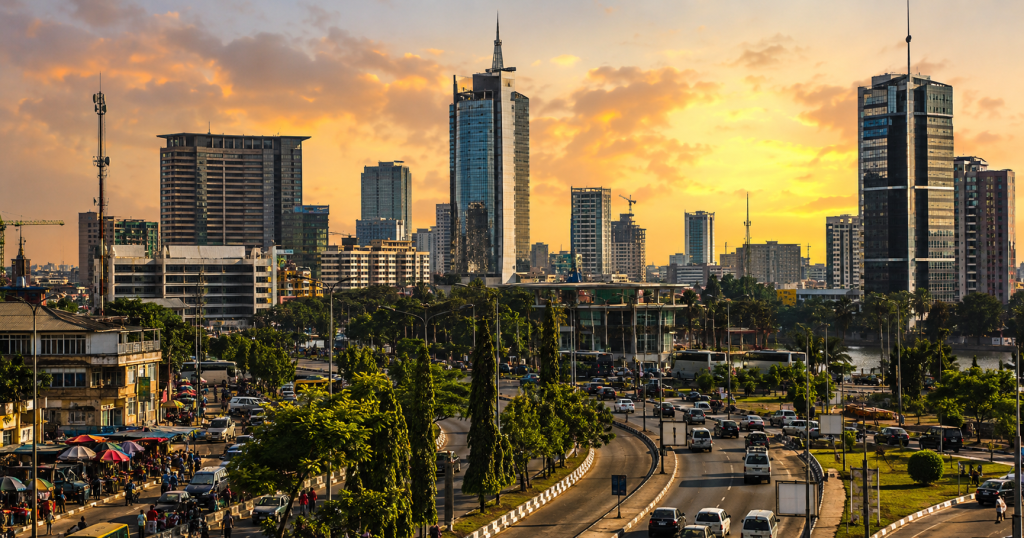
West African coastal communities face a different but equally serious threat from rising sea levels. Cities like Lagos, Accra and Abidjan are particularly vulnerable with large populations living in low-lying coastal areas at risk of flooding and erosion. In some communities, homes and livelihoods that families have built over generations are being swallowed by the sea.
Innovative African Responses to Climate Change
What makes Africa’s climate story so remarkable is not just the scale of the challenge but the creativity and determination of the responses. Across the continent Africans are developing solutions that are appropriate to local conditions, culturally sensitive and often remarkably effective.
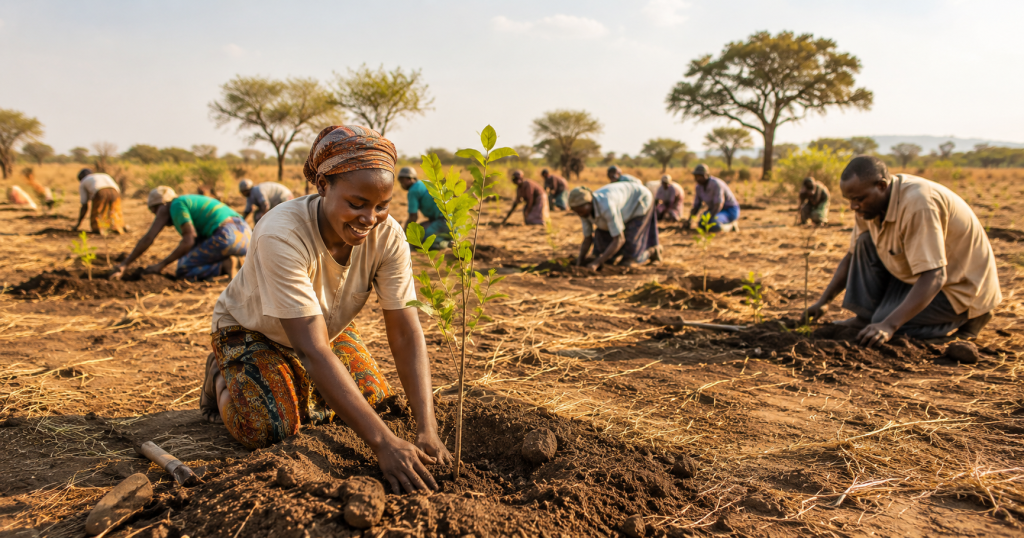
The Great Green Wall initiative is perhaps the most ambitious of these responses. This extraordinary project aims to grow an 8000 kilometer wall of trees and vegetation across the width of Africa from Senegal in the west to Djibouti in the east. The goal is to restore 100 million hectares of degraded land, sequester 250 million tons of carbon and create 10 million jobs by 2030.
Progress has been uneven but in countries like Senegal and Ethiopia, millions of trees have already been planted, land has been restored and communities that were on the verge of abandoning their homes have been able to stay and rebuild their livelihoods. The Great Green Wall demonstrates that large-scale ecosystem restoration is not just possible but can deliver genuine benefits for communities.
Renewable Energy: Africa’s Climate Opportunity
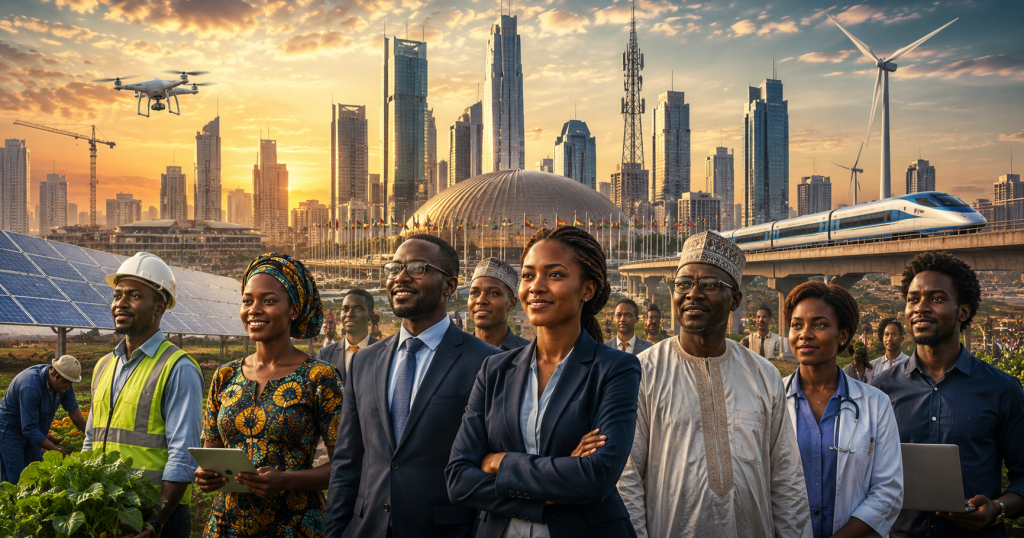
Climate change also presents Africa with a significant economic opportunity in the form of renewable energy. The continent has some of the world’s best solar, wind and hydropower resources. Developing these resources not only helps Africa reduce its own carbon emissions but creates jobs, improves energy access and positions the continent as a major player in the global clean energy economy.
Countries like Morocco, Kenya and South Africa have already made significant progress in renewable energy development. Morocco’s Noor solar power complex is one of the largest in the world. Kenya generates over 90 percent of its electricity from renewable sources including geothermal, hydropower and wind. South Africa has attracted billions of dollars in renewable energy investment through its renewable energy procurement program.
For the hundreds of millions of Africans who still lack access to electricity, renewable energy particularly solar offers the most practical and affordable path to energy access. Solar home systems and mini-grids are bringing electricity to rural communities across Africa that may never be connected to national grids.
Community-Led Climate Adaptation
Some of the most effective climate responses in Africa are happening not at the national or continental level but at the community level. Farmers across the continent are adapting to changing conditions through indigenous knowledge combined with modern agricultural science.
In the Sahel region, farmers are using an ancient technique called Farmer Managed Natural Regeneration to restore trees and vegetation on their farmland. By protecting and nurturing naturally occurring trees rather than cutting them down, farmers are improving soil quality, reducing erosion, retaining water and ultimately increasing crop yields. This simple, low-cost technique has transformed agriculture in parts of Niger and Burkina Faso.
Coastal communities in countries like Mozambique and Madagascar are restoring mangrove forests which protect coastlines from erosion and storm surges while providing habitat for fish and other marine life. These community-led conservation efforts are proving more effective and sustainable than top-down conservation approaches.
Africa’s Climate Demands on the World
African leaders and climate activists are increasingly vocal in demanding that wealthy nations take greater responsibility for the climate crisis they have primarily created. The principle of climate justice holds that those who have contributed most to climate change should bear the greatest burden of addressing it.
African nations are pushing for greater financial support from wealthy countries to fund climate adaptation and mitigation. They are demanding that the loss and damage caused by climate change already locked in by past emissions be compensated. And they are insisting that Africa’s right to develop economically not be sacrificed on the altar of climate action demanded by countries that industrialized through centuries of carbon-intensive development.
A Continent Rising to the Challenge
Africa’s climate story is ultimately one of resilience, innovation and determination in the face of enormous adversity. The continent that has contributed least to the climate crisis is demonstrating remarkable leadership in responding to it.
From the Great Green Wall to solar mini-grids, from community mangrove restoration to farmer managed natural regeneration, Africans are developing solutions that work for their conditions and their communities. The world would do well to pay attention and to provide the support that Africa needs and deserves in its fight against climate change.