Peller vs Lady at Folixxx Lounge: Viral Eatery Confrontation Sparks Debate on Public Filming Rights in Nigeria
Popular Nigerian TikToker and streamer Peller (real name Habeeb Hamzat) is once again making headlines after a late-night encounter at a popular Lagos lounge turned into major online drama.
The video, which exploded across TikTok, X, and Instagram in January 2026, has split public opinion right down the middle. Some see it as Peller simply standing his ground against disrespect, while others argue it crossed into unnecessary public call-out and content-chasing. Either way, the incident has thrown fresh light on the tricky balance between content creation, personal privacy, and respect in public spaces.
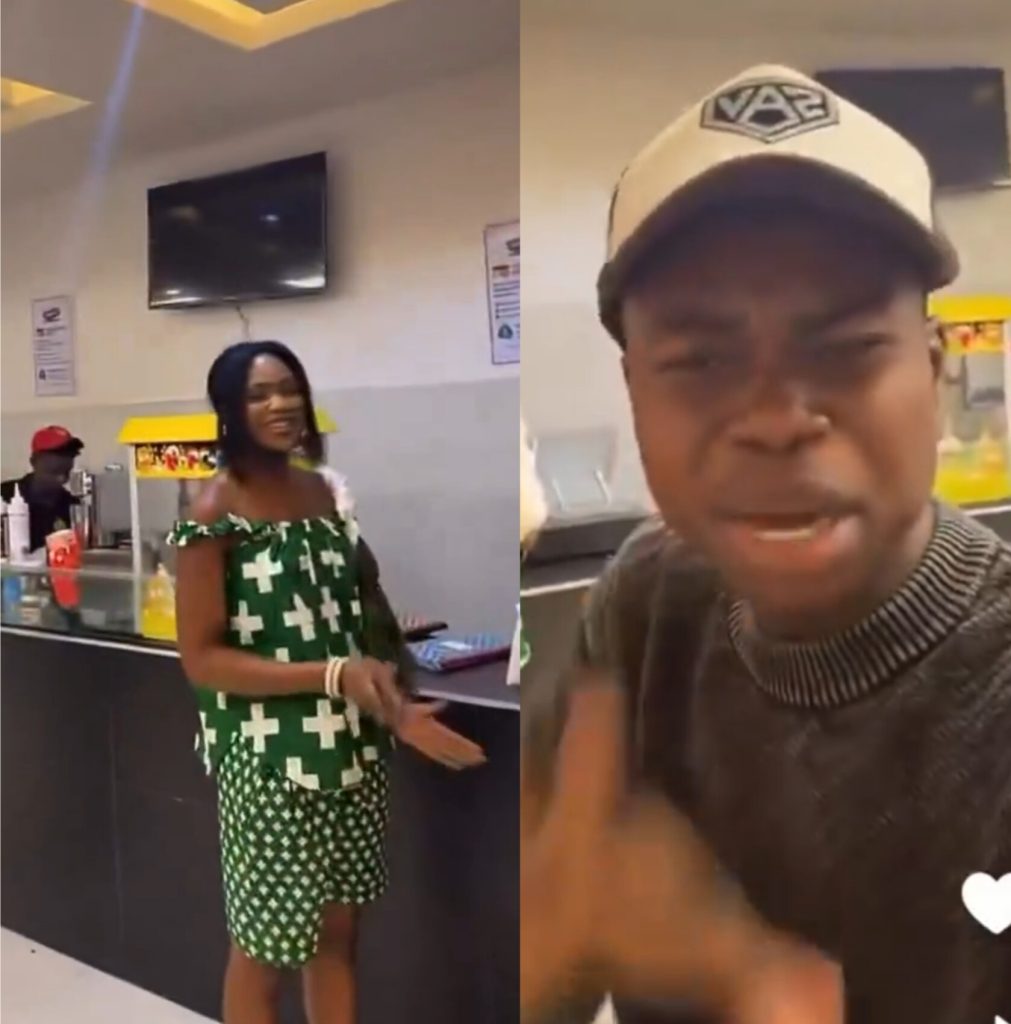
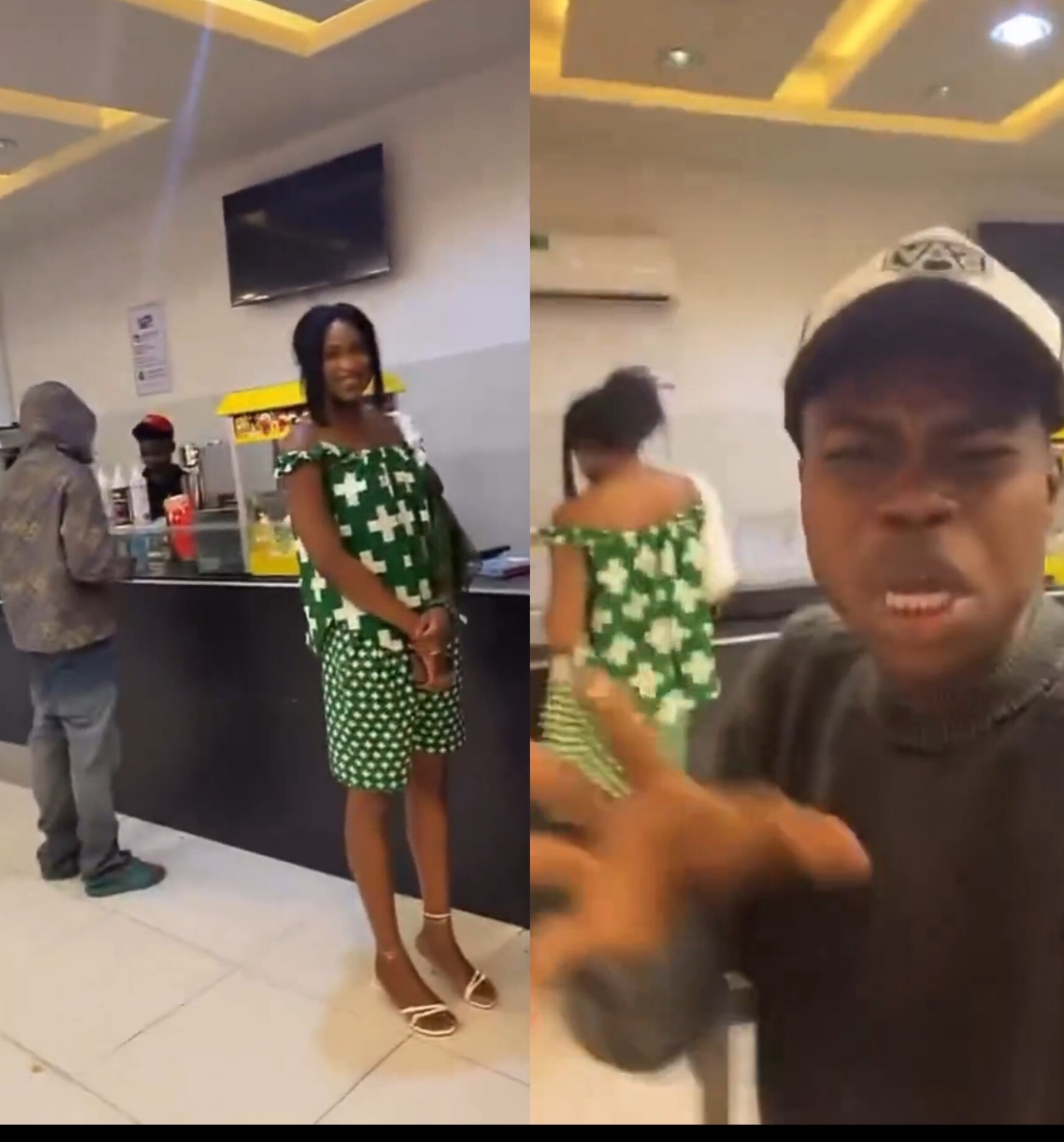
The lady remains silent and focused on buying her food as Peller continues confronting her during the viral incident.
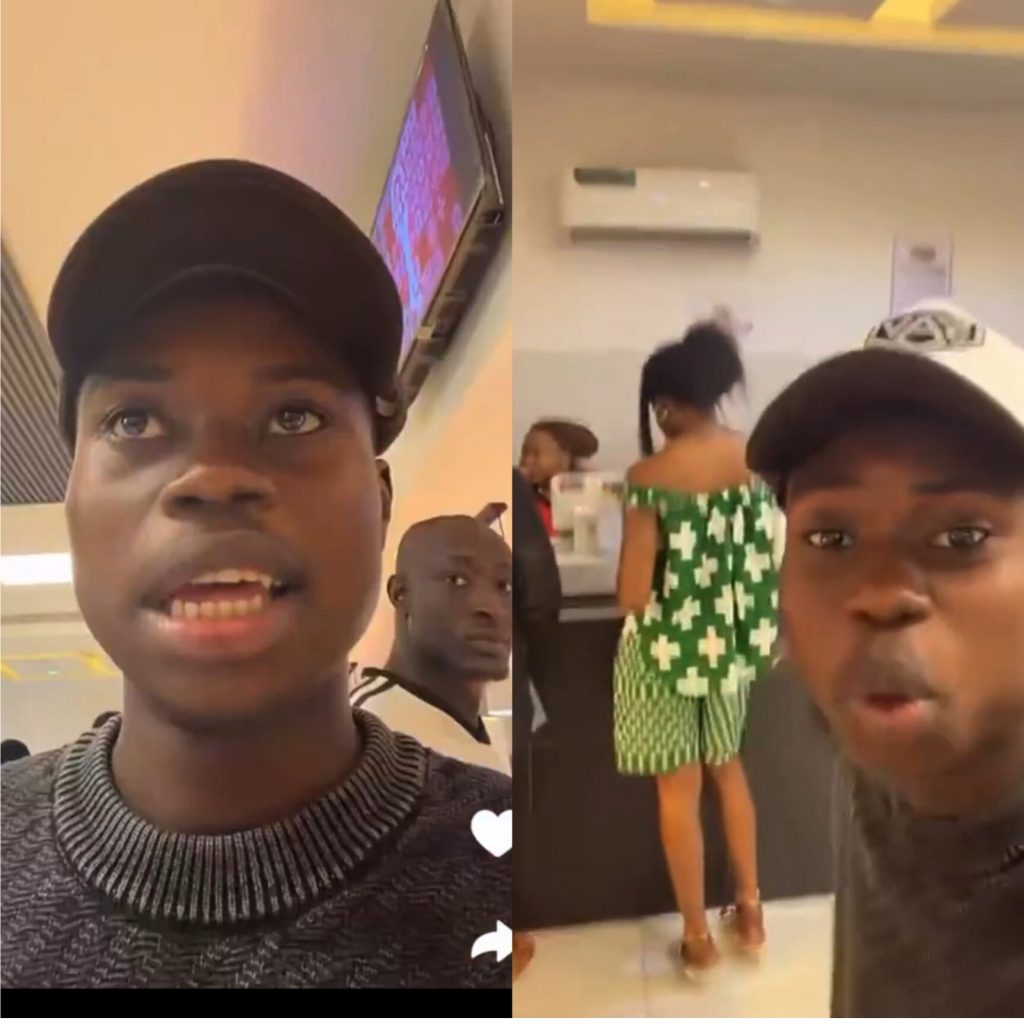
How the Folixxx Lounge Drama Unfolded
It all went down in the early hours of January 6, 2026, at Folixxx Lounge along the Lekki-Epe Expressway. According to Peller, he walked in to order food and was speaking at his usual energetic level when the lady nearby reacted by moving away and allegedly muttering that he was too noisy — even throwing in the word “illiterate.”
Moments later, Peller pulled out his phone and started recording. In the now-viral clip, he confronts the woman directly, questioning her comments while she stands at the cashier.
The lady, later identified as Osarobo Odigie, stayed remarkably calm. She hardly said a word in response, kept facing the counter, and focused on completing her transaction.
Fellow content creator Carter Efe could be seen in the background, looking shocked as the situation heated up.
One detail that fueled the online debate? The video only captured Peller’s reaction — not the exact moment of the alleged comment. That missing context left plenty of room for different interpretations.
Mixed Reactions and Peller’s Apology
As the clip spread like wildfire, Nigerians didn’t hold back.
Supporters praised Peller for not keeping quiet in the face of shade, especially from someone who might not understand the pressures content creators face. Critics, however, felt the lady was unfairly put on blast without concrete evidence, calling the filming and posting “bullying for clout.”
Osarobo Odigie later clarified that she simply stepped aside because of how loud Peller was being — not that she hurled insults at him.
A few days after the incident (January 9, 2026), Peller dropped a public apology video. He admitted his reaction was over the top, blamed it partly on the constant online hate he deals with, and addressed the lady respectfully as “princess.” He also acknowledged that the encounter happened off-stream and that he regretted sharing it.
But the story didn’t end with the apology.
Lawsuit Update: Lady Demands ₦395 Million
In March 2026, things took a more serious turn. Osarobo Odigie, through her lawyers at FA Garrick & Co., sent a pre-action notice demanding a staggering ₦395 million in damages.
The claims include defamation, cyber harassment, invasion of privacy, emotional distress, and reputational damage caused by the viral video and the subsequent online bullying.
The breakdown reportedly includes:
- ₦200 million for the alleged defamatory publication
- ₦100 million for emotional trauma
- ₦75 million for harassment and cyberbullying
- Additional legal fees
She is also asking for the video to be taken down and a formal public apology.
While such huge figures often spark skepticism in Nigeria (as actual court awards rarely reach that level), the move has highlighted how seriously some people now treat unwanted virality and public shaming.
The Real Conversation: Filming in Public – Where’s the Line?
This Peller incident goes way beyond one lounge misunderstanding. It has Nigerians asking bigger questions:
Should content creators have the freedom to film anyone in public places without consent?
Legally speaking, in Nigeria and many countries, you can generally record in public spaces because there’s usually no strong expectation of privacy there. That’s why vlogs, street interviews, and live streams thrive.
But legality isn’t the same as what’s right or respectful.
Many people pointed out that filming someone who clearly wants to be left alone — especially while accusing them without proof — can feel like harassment. Private businesses like lounges and eateries can also set their own rules about recording.
The bigger issue? In today’s Nigeria, where almost everyone has a smartphone, any small interaction can blow up into national entertainment. That power comes with serious responsibility.
Lessons for Creators and Everyday People
For content creators: The hunger for views and engagement is real, but turning personal discomfort into viral content shouldn’t come at someone else’s expense. A moment of pause before hitting record (or post) can save a lot of drama.
For regular folks: Knowing your rights matters. If you feel harassed, defamed, or cyberbullied because of a video, documenting everything and speaking to a lawyer can be smart — even if massive lawsuits don’t always play out as expected.
Final Thoughts
The Peller and Osarobo Odigie saga at Folixxx Lounge is a classic example of how fast everyday life in Lagos can become trending entertainment. It shows the blurred lines between being a public figure, creating content, and simply existing as a private citizen in 2026 Nigeria.
As our digital culture keeps evolving, one thing stands out: real influence isn’t just about going viral — it’s about knowing when to put the phone down and show basic respect.
What do you think? Do you believe content creators should have almost unlimited rights to film in public for content, or should there be clearer boundaries to protect ordinary people from unwanted exposure and online backlash?
Drop your honest take in the comments — let’s keep it civil and respectful.