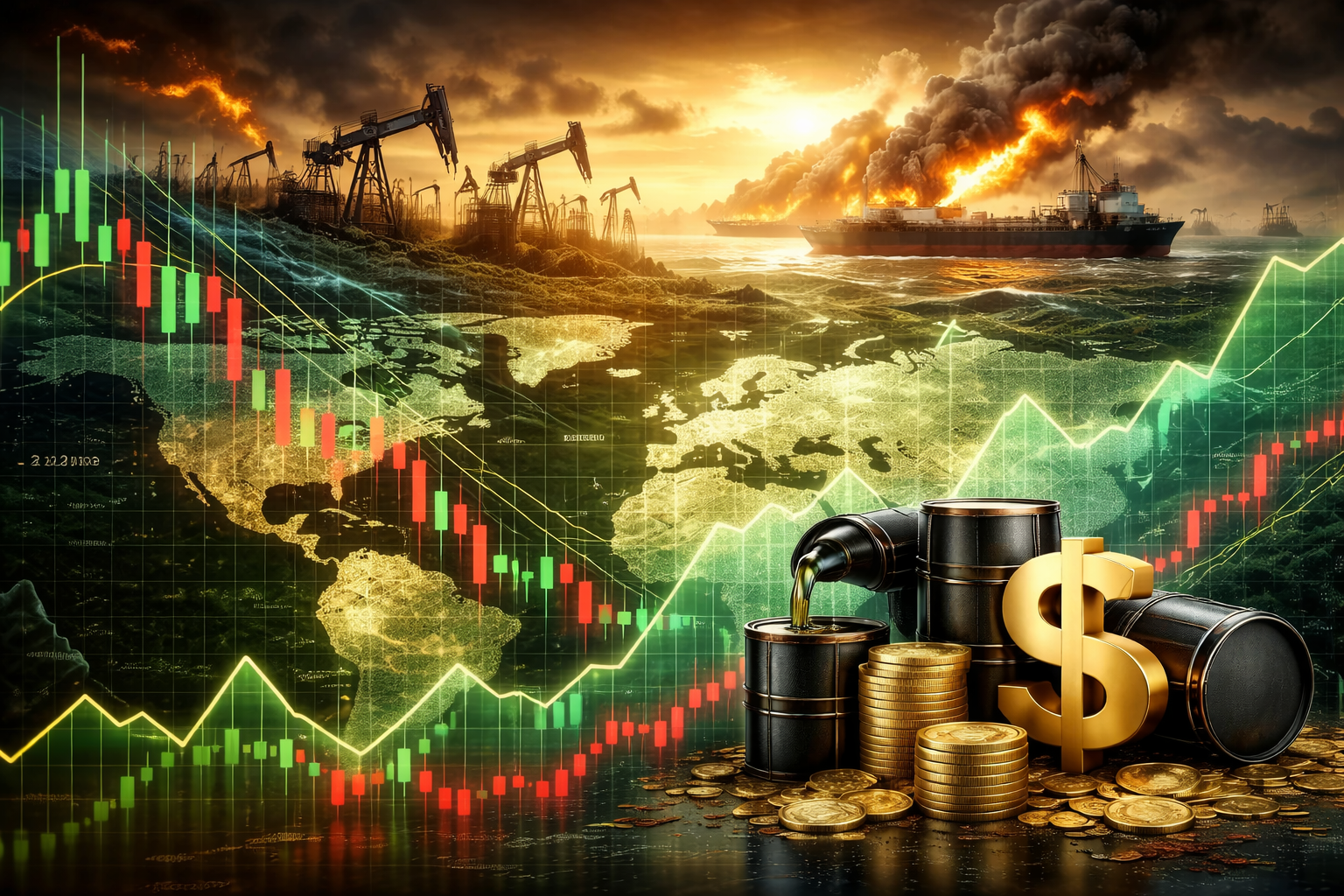
Aliko Dangote’s Journey to Building Africa’s Largest Private Oil Refinery
Aliko Dangote, Africa’s richest man, has once again made history. After years of planning, delays, and intense scrutiny, his Dangote Refinery has officially become operational — marking the completion of Africa’s first privately owned mega-refinery.
The project, located in Lagos, Nigeria, stands as one of the most ambitious industrial undertakings ever attempted on the continent. But getting here was anything but easy.
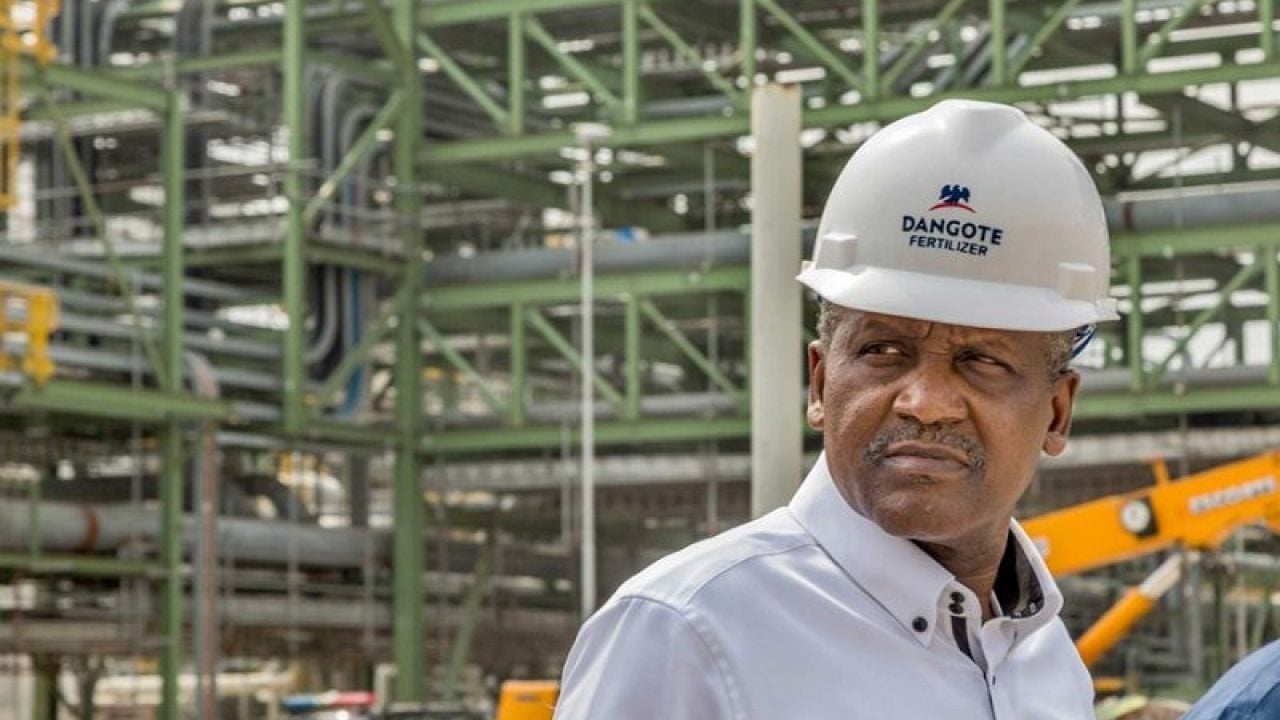
Early Doubts and Skepticism
When Dangote first announced his plan to build a large-scale oil refinery, many people were doubtful. Critics pointed to Nigeria’s long history of struggling government-owned refineries and questioned whether a private company could succeed where the state had repeatedly failed.
The sheer scale of the project — both financially and technically — led many to dismiss it as overly ambitious or even unrealistic. Yet Dangote remained committed, betting big on Nigeria’s future energy needs.
Major Challenges Along the Way
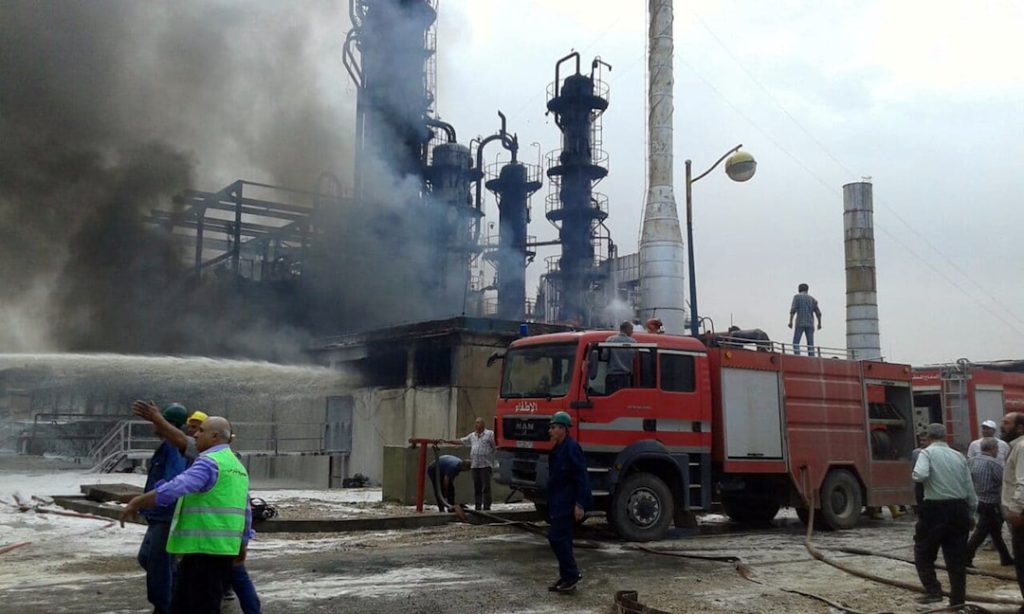
The road to completion was filled with obstacles. The project faced delays due to regulatory approvals, supply chain issues, funding pressures, and complex engineering demands. At one point, a fire broke out at the construction site, raising serious safety concerns and drawing heavy public attention.
Despite these setbacks, Dangote and his team stayed focused. They addressed safety issues, adjusted timelines, and continued investing heavily to push the project forward. The journey tested their resilience, but it also showcased their determination.
A Historic Achievement
Today, the Dangote Refinery is a landmark achievement. With a refining capacity of 650,000 barrels per day, it is one of the largest single-train refineries in the world and the biggest privately owned refinery in Africa.
The facility is designed to process crude oil into high-quality gasoline, diesel, jet fuel, and other petroleum products, potentially ending Nigeria’s long dependence on imported refined fuel.
Economic Impact for Nigeria and Africa
The refinery is expected to have a massive positive effect on the Nigerian economy. During construction, it created thousands of direct and indirect jobs. Now that it’s operational, it will continue supporting employment while boosting local businesses in logistics, maintenance, and supply chains.
By producing refined petroleum products locally, the refinery should help reduce Nigeria’s huge fuel import bill and conserve foreign exchange reserves. It also positions Nigeria as a potential exporter of refined products to other African countries.
Commitment to Safety and Environmental Standards
From the beginning, the project emphasized modern safety protocols and environmental management. The refinery incorporates advanced systems for waste management, emission control, and energy efficiency — aiming to meet international industry standards.
While challenges like the earlier fire incident highlighted the risks involved in such large-scale projects, the focus on safety improvements has been a key part of the refinery’s development.
A Source of Inspiration for African Entrepreneurs
Aliko Dangote’s persistence with this project sends a powerful message to entrepreneurs across Africa: big, transformative ideas are possible even in difficult environments. His success shows what long-term vision, capital commitment, and resilience can achieve.
Final Thoughts
The Dangote Refinery is more than just an industrial facility — it represents ambition, perseverance, and belief in Africa’s potential. After years of skepticism, technical hurdles, and setbacks, it now stands as a symbol of what private enterprise can accomplish on the continent.
Aliko Dangote has once again proven that bold investments, despite the challenges, can deliver lasting impact.
What are your thoughts on the Dangote Refinery? Do you believe it will transform Nigeria’s economy as expected? Share your views in the comments below.
Stay with GTVDAILY and stay ahead.