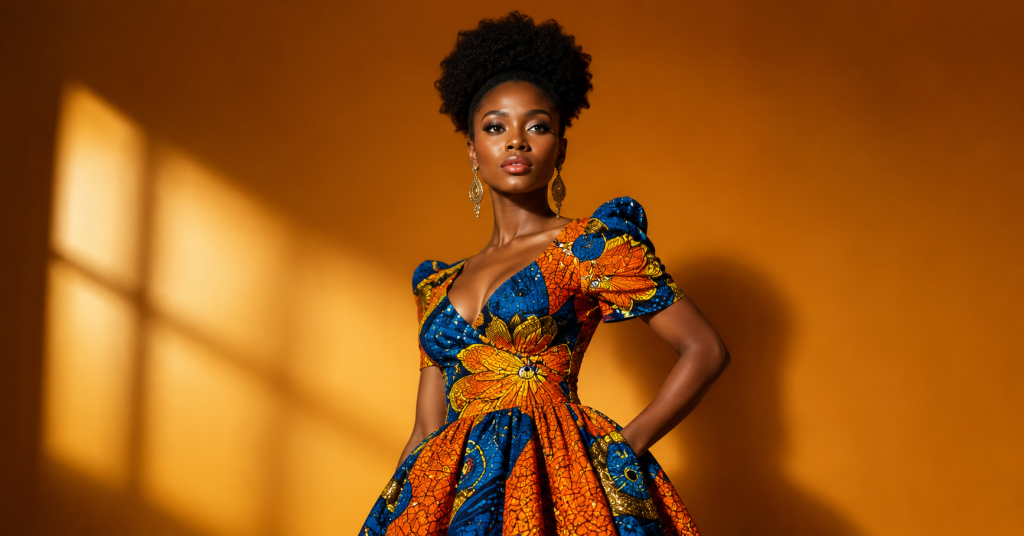

First impressions matter enormously in Nigerian professional culture. The way you dress communicates powerful messages about your professionalism, your respect for those you are meeting and your understanding of social and cultural norms. Getting your professional dress right in Nigeria requires navigating a fascinating blend of Western business fashion conventions and distinctly Nigerian cultural traditions. This comprehensive guide will help you dress professionally and appropriately for a wide range of Nigerian professional contexts.
Understanding Nigerian Professional Dress Culture
Nigerian professional dress culture is more diverse and nuanced than in many other countries. In some corporate environments particularly in multinational companies and the financial sector Western business dress — suits, ties and formal shoes for men, formal dresses or trouser suits for women — is the norm. In other contexts particularly in government, traditional institutions and many Nigerian owned businesses traditional Nigerian attire is equally or more appropriate than Western dress.
The key to dressing well in Nigerian professional contexts is understanding which convention applies to the specific environment you are entering and then executing your chosen style with quality and care. A poorly fitted suit is no better than a poorly tailored Senator outfit. Whatever style you choose, quality and fit are paramount.
Professional Dress for Men
Nigerian professional men have a wider range of appropriate options than their counterparts in many Western countries. Both Western business dress and traditional Nigerian attire are generally acceptable in most Nigerian professional environments.
For Western business dress the fundamental principles are the same as anywhere in the world. A well-fitted suit in a dark conservative color — navy blue, charcoal grey or black — paired with a white or light colored dress shirt and a conservative tie creates a universally appropriate professional appearance. The suit should be properly tailored to fit your body well. Shoes should be polished leather in black or dark brown.
For traditional attire the Senator style is the most widely accepted professional option for Nigerian men. A well-tailored Senator outfit in a quality fabric and conservative color conveys the same level of professionalism as a Western suit while expressing cultural identity and pride. Agbada, the flowing three-piece traditional Yoruba garment, is appropriate for more formal and ceremonial professional occasions but may be impractical for active working environments.
The Kaftan, a long flowing garment popular across West Africa, is another professional option that strikes a balance between traditional culture and professional appearance. A well-tailored kaftan in quality fabric presents a sophisticated professional image while being extremely comfortable in Nigeria’s tropical climate.
Professional Dress for Women
Nigerian professional women have perhaps the richest range of stylish and appropriate professional options of any women in the world. The combination of Western professional fashion and the extraordinary variety of Nigerian traditional dress creates a fashion palette that is uniquely diverse and expressive.
For Western professional dress Nigerian women follow broadly similar conventions to international business dress norms. Tailored trouser suits or skirt suits in conservative colors, professional dresses of appropriate length and modesty and smart blouses paired with tailored trousers or skirts are all appropriate choices.
Traditional Nigerian women’s fashion offers equally impressive professional options. The Ankara two-piece consisting of a blouse and wrapper or skirt is one of the most versatile professional outfits available to Nigerian women. The key is ensuring that the outfit is well tailored, made from quality fabric and styled in a way that is appropriate for a professional setting rather than a casual or festive occasion.
Lace fabric is particularly popular for Nigerian professional women especially in sectors like law, government and traditional institutions where the use of quality lace conveys status and sophistication. A well-tailored lace blouse paired with a coordinating wrapper or skirt creates a distinctly Nigerian professional look of considerable elegance.
Grooming and Personal Presentation
Clothing is only part of professional presentation. Grooming and personal care are equally important components of a professional appearance in Nigerian business culture.
For men a clean, well-maintained beard or a clean shave is important. Hair should be neatly cut and styled. Cologne should be subtle not overpowering. Nails should be clean and neatly trimmed.
For women hair care is particularly important in Nigerian professional culture. Whether you choose natural hair, relaxed hair, braids, weaves or any other style, your hair should be neat, clean and professionally styled. Makeup if worn should be appropriate for a professional setting — polished and presentable rather than dramatic and attention-seeking.
Dressing for Specific Occasions
Different professional occasions in Nigeria call for different levels of formality and different stylistic choices.
For job interviews dress more formally than you think the job requires. It is far better to be slightly overdressed for an interview than to appear underdressed. First impressions are hard to change and appearing well-dressed and well-groomed signals that you take the opportunity seriously and respect the people you are meeting.
For client meetings the appropriate dress depends on the nature of the client and the relationship. For formal client meetings with corporate or government clients formal business dress or a high quality traditional outfit is appropriate. For more casual client relationships a smart casual approach may be acceptable.
For company social events dress codes are often specified. If they are not use your judgment based on the culture of your organization. When in doubt dressing slightly more formally than you think necessary is generally safer than dressing too casually.
Building a Professional Wardrobe
Building a professional wardrobe does not require spending a fortune but it does require making thoughtful investments in quality pieces that will serve you well over time. Focus on building a foundation of versatile, high quality pieces in classic colors that can be mixed and matched to create multiple professional outfits.
Invest in the services of a skilled tailor. In Nigeria where bespoke tailoring is both readily available and relatively affordable compared to Western countries, there is no excuse for wearing poorly fitted clothing. A well-tailored garment in modest fabric will always look better than an expensive garment that does not fit properly.
Take care of your clothes. Proper washing, ironing and storage will extend the life of your garments significantly and ensure that they always look their best. A well-maintained wardrobe is a sign of the same attention to detail and care that employers and clients want to see in a professional.
Sources and References:
- Allman, Jean. Fashioning Africa: Power and the Politics of Dress (2004)
- Guardian Nigeria: Professional Style Guide — guardian.ng
- BusinessDay Nigeria: Corporate Culture and Dress — businessday.ng
- Nigerian Institute of Management: Professional Development Resources