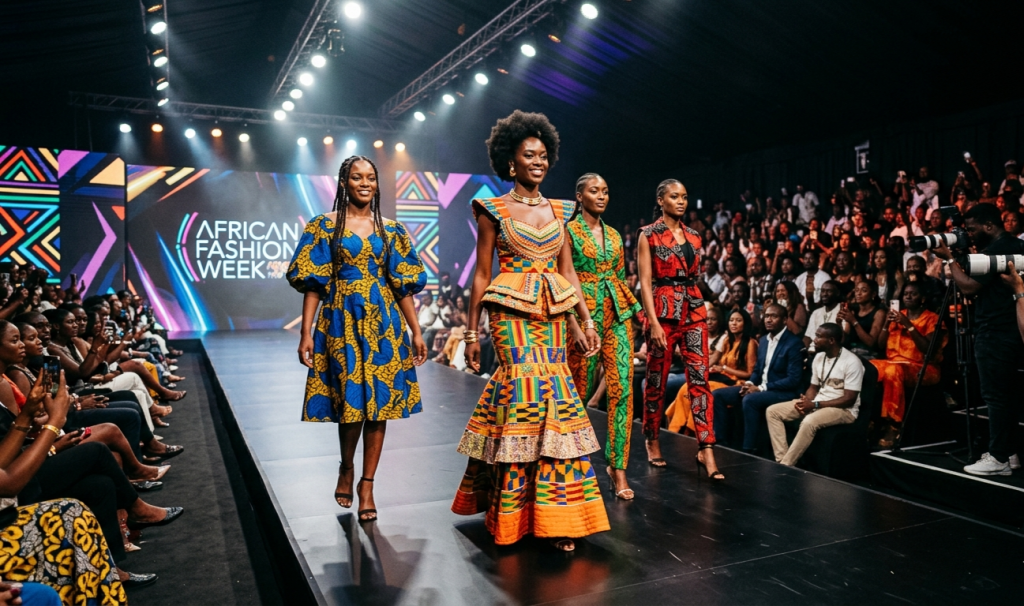
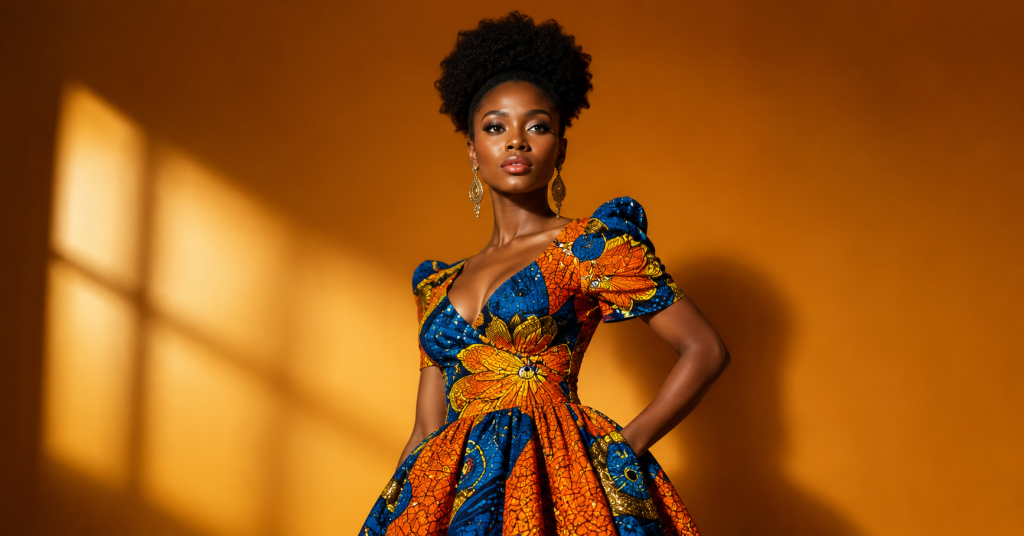
Ankara fabric is arguably the most recognizable symbol of African fashion. Its bold colors, striking geometric patterns and vibrant energy have made it one of the most celebrated textiles in the world. From the markets of Lagos and Accra to the runways of Paris and New York, Ankara has traveled from its West African home to become a global fashion phenomenon. Yet despite its worldwide recognition, many people do not know the fascinating history of this iconic fabric or the many ways it can be styled and worn.
What Is Ankara Fabric?
Ankara, also known as African wax print fabric, is a brightly colored cotton fabric characterized by bold patterns created through a wax-resist dyeing process. The fabric is produced in large quantities in West Africa particularly in Nigeria, Ghana and Senegal and is used to make a wide variety of clothing including dresses, skirts, blouses, shirts, suits and accessories.
The patterns on Ankara fabric are extraordinarily diverse. Some feature geometric shapes, others depict natural elements like leaves, flowers and animals, and others incorporate symbols with specific cultural meanings. Each pattern often has a name and sometimes a story or meaning attached to it making Ankara fabric a form of visual communication as well as a fashion statement.
The Surprising History of Ankara
The history of Ankara fabric is more complex and surprising than many people realize. Despite being considered quintessentially African the fabric actually has its origins in Indonesia. The wax-resist dyeing technique used to create Ankara is based on the Indonesian batik tradition.
In the 19th century Dutch traders brought Indonesian batik techniques to West Africa where the fabric proved enormously popular. Local manufacturers and eventually African owned factories began producing their own versions of the fabric tailored to African tastes with bolder colors and patterns that reflected African aesthetic sensibilities.
Over generations the fabric became so deeply integrated into West African culture and fashion that its non-African origins became largely irrelevant. Ankara is today genuinely African in character even if its technical origins lie elsewhere. It has been adapted, transformed and claimed by African people and cultures in a process that reflects the dynamic nature of cultural exchange and creativity.
How to Style Ankara: A Complete Guide
One of the most wonderful things about Ankara fabric is its extraordinary versatility. It can be styled in countless ways for different occasions, body types and personal aesthetics. Here is a comprehensive guide to styling Ankara for various occasions.
For formal occasions Ankara can be made into elegant fitted dresses, tailored suits or sophisticated two-piece sets. The key to formal Ankara styling is clean tailoring and restrained accessorizing. Let the fabric speak for itself without overwhelming it with too many competing elements. A well-tailored Ankara dress or suit worn with simple jewelry and clean shoes can be appropriate for business meetings, church services, weddings and other formal events.
For casual wear Ankara offers even more flexibility. Ankara tops paired with jeans or plain trousers are a popular and stylish combination that balances the boldness of the fabric with more understated pieces. Ankara skirts of various lengths can be paired with simple white or neutral tops. Ankara shorts work well for relaxed weekend looks.
Accessories made from Ankara fabric have become increasingly popular. Ankara handbags, shoes, headwraps, jewelry and even phone cases allow people to incorporate the fabric into their look in more subtle ways. These accessories can add a pop of African fashion to an otherwise conventional outfit.
Ankara in Contemporary Fashion
Contemporary African fashion designers have taken Ankara in exciting new directions, experimenting with cuts, combinations and styling that push the boundaries of what the fabric can do. Designers like Lisa Folawiyo of Nigeria, Christie Brown of Ghana and many others have elevated Ankara from everyday wear to high fashion, showing it on international runways and in the pages of global fashion magazines.
The global fashion industry has also taken notice of Ankara’s appeal. International brands have incorporated African wax print fabrics into their collections sometimes with great success and sometimes in ways that have sparked debates about cultural appropriation. The growing global popularity of African fashion has created both opportunities and challenges for African designers and the communities whose cultural heritage the fabric represents.
Caring for Your Ankara
Proper care is essential to maintaining the vibrancy and quality of Ankara fabric. Always wash Ankara in cold water as hot water can cause the colors to fade. Hand washing is preferable to machine washing for delicate pieces though machine washing on a gentle cycle is acceptable for more robust garments.
Avoid soaking Ankara for extended periods and do not use bleach or harsh detergents that can damage the fabric and cause colors to run. Iron Ankara on a medium heat setting and avoid ironing directly on the printed side of the fabric. Store Ankara garments in a cool dry place away from direct sunlight which can cause fading over time.
Ankara as Cultural Identity
Beyond fashion Ankara fabric carries deep cultural significance for many West Africans. Wearing Ankara is an expression of cultural pride and identity. At important cultural events, family celebrations, traditional ceremonies and community gatherings Ankara is often the fabric of choice, its bold patterns and colors reflecting the joy and significance of the occasion.
For Africans in the diaspora Ankara has become a particularly powerful symbol of connection to African heritage and identity. Wearing Ankara in London, New York or Paris is a statement of cultural pride and a visible link to African roots.
The story of Ankara fabric is ultimately a story about African creativity, cultural resilience and the capacity of a people to take what comes from outside and transform it into something uniquely and powerfully their own. It is a story that continues to unfold on fashion runways, in markets and in the daily dress choices of millions of Africans and Africa lovers around the world.
Sources and References:
- Hansen, Karen Tranberg. African Dress: Fashion, Agency, Performance (2013)
- Victoria and Albert Museum: African Textiles Collection — vam.ac.uk
- Business of Fashion: African Fashion Industry Report — businessoffashion.com
- Vogue Africa: Ankara Fashion Coverage — vogue.com