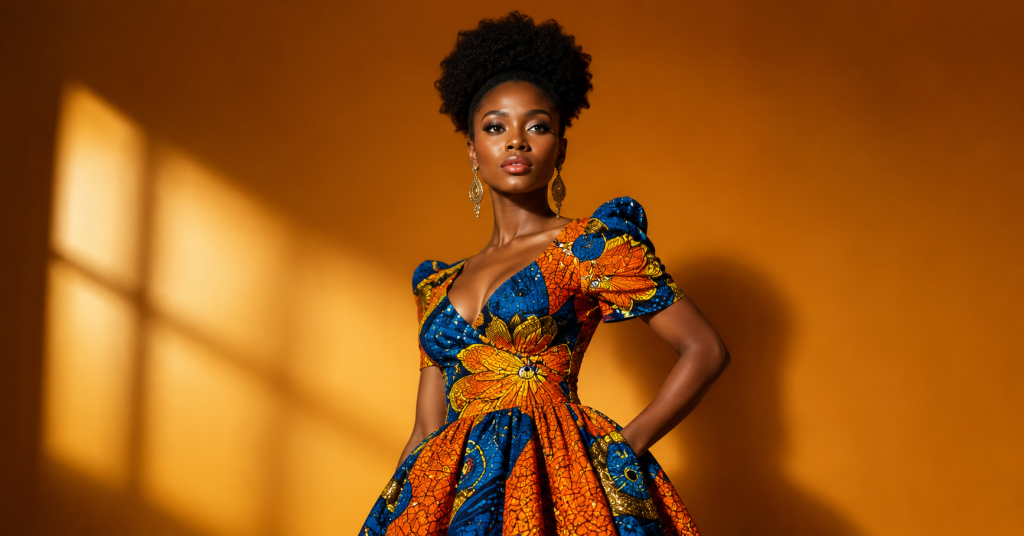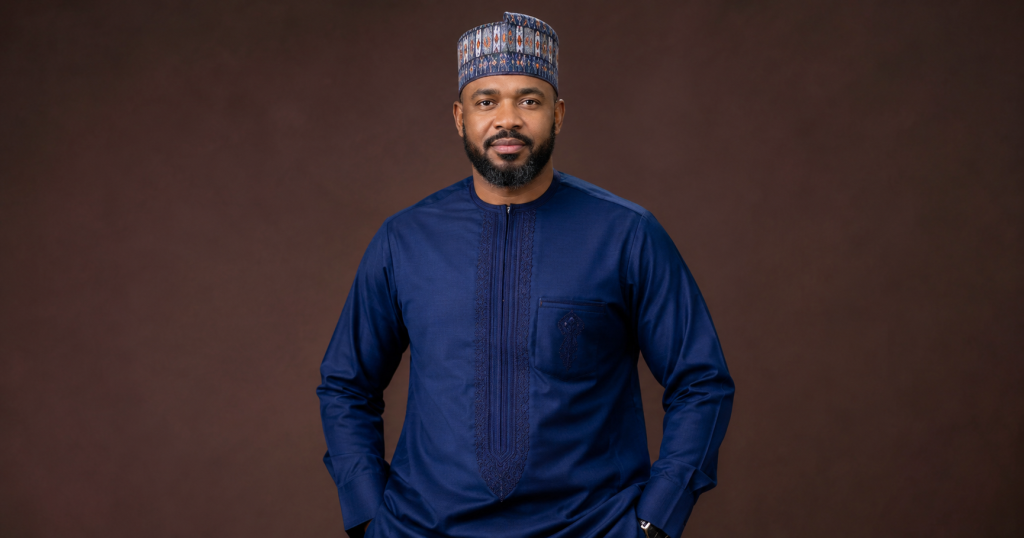
Something extraordinary is happening in the world of fashion. African designers, African fabrics and African aesthetic sensibilities are moving from the margins to the mainstream of global fashion in a shift that is reshaping the industry and challenging long-held assumptions about where creativity and style originate. The global rise of African fashion is one of the most exciting stories in the contemporary fashion world and it shows no signs of slowing down.
The African Fashion Revolution
For too long the global fashion industry was dominated by a small number of Western fashion capitals — Paris, Milan, New York and London. African fashion existed on the periphery of this world, appreciated by those who knew it but largely invisible to the mainstream global fashion conversation.
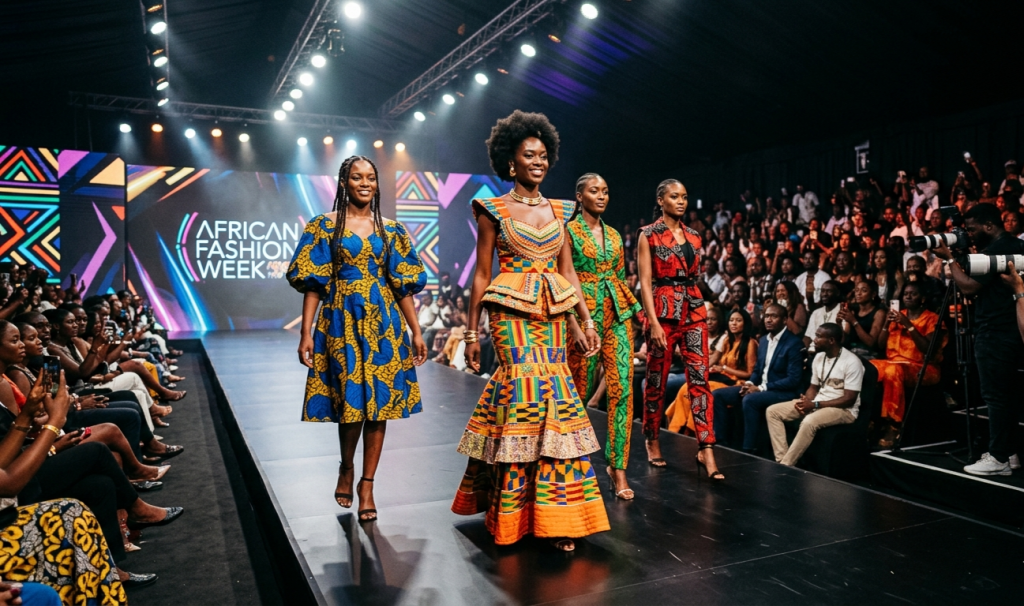
That is changing rapidly. African designers are now showing at the world’s most prestigious fashion weeks. African models are gracing the covers of the world’s most influential fashion magazines. African fabrics and design elements are appearing in the collections of the world’s biggest luxury brands. And African fashion weeks in Lagos, Johannesburg, Nairobi and Dakar are attracting international attention and investment.
Pioneer African Designers Who Changed Everything
The global rise of African fashion did not happen overnight. It was built on the work of pioneering designers who spent years developing their craft, building their brands and insisting that African fashion deserved a place at the global table.
Ozwald Boateng, the British-Ghanaian designer, was one of the first African heritage designers to achieve major success in the Western fashion establishment. As the first Black designer to have a made-to-measure shop on Savile Row, London’s legendary tailoring street, Boateng demonstrated that African creativity could succeed at the very highest levels of the global fashion industry.
Deola Sagoe of Nigeria built an internationally recognized luxury brand rooted in Nigerian fabrics and aesthetic traditions. Her work demonstrated that African fashion could be both culturally authentic and internationally competitive as a luxury product. Her intricate use of traditional Nigerian fabrics in contemporary high fashion designs helped define what modern African luxury fashion could look like.
Stella Jean of Italy, whose work draws deeply on her Haitian heritage and African textile traditions, has shown at Milan Fashion Week and brought African inspired fashion to one of the world’s most prestigious fashion platforms. Her work demonstrates how African fashion influences can be woven into the mainstream of European fashion.
African Fashion Weeks: Building the Infrastructure
One of the most important developments in the rise of African fashion has been the growth of fashion weeks across the continent. Lagos Fashion Week, South Africa Fashion Week, Arise Fashion Week and Dakar Fashion Week have created platforms for African designers to showcase their work professionally and to attract the attention of international buyers, media and fashion industry figures.
Lagos Fashion Week in particular has grown into one of the most significant fashion events in Africa. Founded in 2011 it has provided a platform for Nigerian designers to present their work to an international audience and has helped launch the careers of many of Nigeria’s most successful contemporary fashion designers.
These fashion weeks have also created important commercial infrastructure including connections to international buyers, relationships with global fashion media and opportunities for African designers to build the business skills needed to compete in international markets.
The Role of African Celebrities
African celebrities have played a crucial role in bringing African fashion to global audiences. When Beyoncé incorporated African fashion elements into her visual album Black Is King, it introduced millions of viewers worldwide to the beauty and creativity of African textiles and design. When African musicians perform at international events wearing outfits by African designers it creates global visibility for African fashion that no marketing budget could buy.
Nigerian celebrities in particular have become powerful ambassadors for African fashion. Artists like Tiwa Savage, Davido, Burna Boy and many others regularly wear Nigerian and African designers to international events, putting African fashion in front of global audiences.
The growing African middle class is also driving demand for quality African fashion. As more Africans achieve higher incomes they are increasingly choosing to express their success and cultural pride through high quality African fashion rather than imported Western brands.
Challenges Facing African Fashion
Despite the remarkable progress of recent years African fashion still faces significant challenges in achieving its full global potential. Access to finance remains a major obstacle for many African designers who struggle to secure the investment needed to scale their businesses and compete internationally.
Infrastructure challenges including unreliable power supply, limited access to quality fabrics and manufacturing capacity and difficulties with logistics and export make it harder for African fashion businesses to operate efficiently and competitively.
Intellectual property protection is another challenge. African designs and patterns have frequently been copied by international brands without credit or compensation to the original creators. Stronger legal frameworks and greater awareness of intellectual property rights are needed to protect African designers and communities.
The Future of African Fashion
The future of African fashion is extraordinarily bright. The combination of a growing and increasingly wealthy African consumer market, rising global interest in African aesthetics and culture and a new generation of talented, ambitious and globally connected African designers creates the conditions for continued rapid growth.African fashion is not just a trend. It is a permanent and growing force in global fashion that reflects the creativity, cultural richness and economic dynamism of the African continent. The world of fashion will never be the same again and that is a very good thing.
Sources and References:
- Business of Fashion: African Fashion Industry — businessoffashion.com
- Vogue: African Fashion Coverage — vogue.com
- McKinsey & Company: The State of Fashion in Africa Report
- African Fashion International: Official Records — africanfashioninternational.com