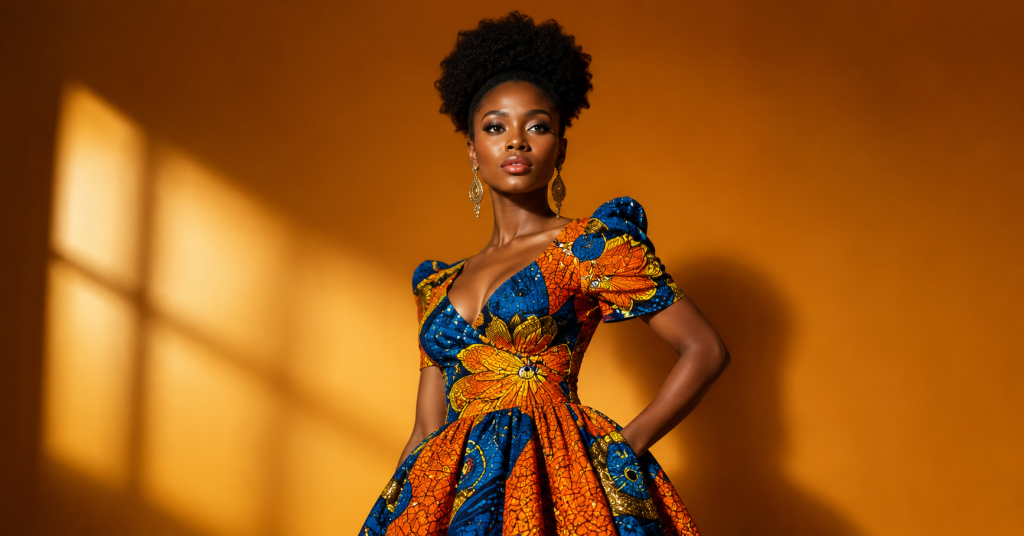
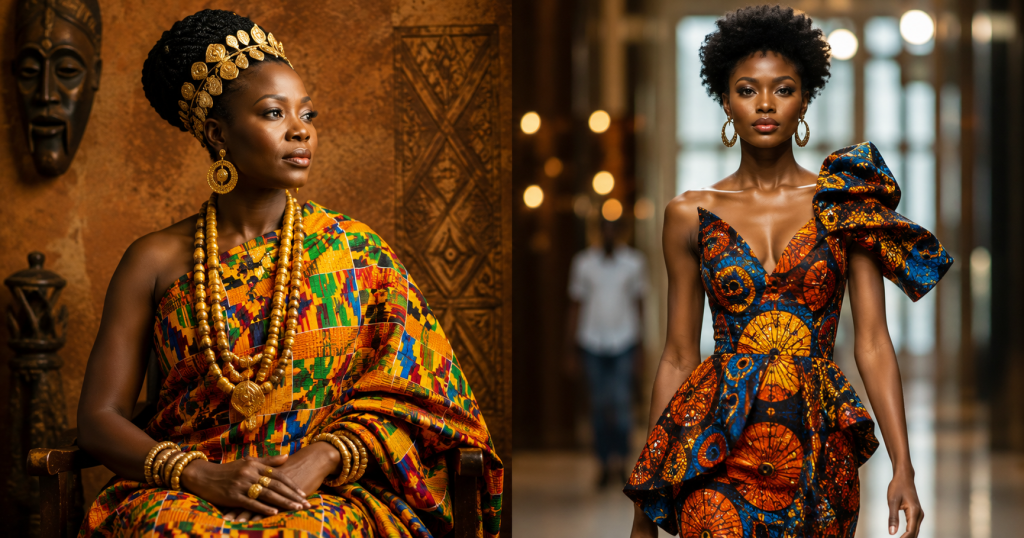
African fashion stands at a fascinating crossroads. On one side stands the rich, deep tradition of African dress — centuries of carefully developed aesthetic traditions, symbolic garments and culturally significant textiles that carry the weight of history and identity. On the other side stands the exciting, dynamic world of contemporary African fashion — bold, innovative and increasingly influential on the global stage. The relationship between these two worlds is not one of conflict but of creative dialogue and the result of that dialogue is some of the most exciting fashion happening anywhere in the world today.
The Rich Heritage of Traditional African Dress
Traditional African dress is extraordinarily diverse, reflecting the continent’s remarkable cultural variety. With over 3000 distinct ethnic groups each with their own cultural traditions, Africa has produced a dazzling variety of traditional dress forms that vary enormously in style, material, color and symbolic significance.
In West Africa the flowing boubou or grand boubou is one of the most recognizable traditional garments. Worn across Senegal, Mali, Guinea and other West African countries it is a long flowing robe often made from richly embroidered fabric that conveys dignity, status and cultural pride. For important occasions like religious celebrations, traditional ceremonies and important social events the grand boubou remains the garment of choice for many West African men.
The Kente cloth of Ghana is perhaps the most internationally recognized traditional African textile. Handwoven by Ashanti weavers on narrow strip looms the finished cloth is assembled from strips sewn together to create a garment of extraordinary visual complexity and beauty. Each Kente pattern has a name and a meaning with different patterns being appropriate for different occasions and conveying different messages.
In East Africa the Maasai people of Kenya and Tanzania have one of the most distinctive traditional dress traditions on the continent. Their use of vibrant red cloth, elaborate beadwork and ochre body decoration creates a visual identity that is instantly recognizable worldwide and has become one of the most powerful symbols of African cultural identity on the global stage.
The Birth of Modern African Fashion
Modern African fashion emerged gradually through the 20th century as African societies navigated the complex legacies of colonialism and the challenges and opportunities of independence. The early post-independence period saw many African leaders and intellectuals deliberately embrace traditional African dress as a political statement of cultural liberation and pride.
Julius Nyerere of Tanzania, Kwame Nkrumah of Ghana and other pan-African leaders wore traditional African garments to important international occasions as deliberate statements of African cultural pride and independence. This political use of traditional dress helped establish the idea that African fashion was not inferior to Western fashion but a proud expression of African identity and values.
As Africa’s economies grew and urban middle classes expanded a new generation of fashion conscious Africans emerged who wanted clothing that expressed both their African identity and their contemporary cosmopolitan sensibilities. This demand created the space for a new generation of African fashion designers who began developing contemporary interpretations of traditional African aesthetics.
Where Tradition Meets Innovation
The most exciting developments in contemporary African fashion happen at the intersection of traditional and modern. Designers who understand both the deep traditions of African dress and the contemporary global fashion landscape are creating work that is genuinely innovative while remaining rooted in African cultural heritage.
Nigerian designer Lisa Folawiyo has built an internationally recognized brand by reimagining Ankara fabric through the lens of contemporary high fashion. Her intricate embellishment of traditional Ankara prints with beads, sequins and embroidery transforms an everyday fabric into something extraordinary and uniquely her own. Her work shows how traditional materials can be the foundation for genuinely contemporary creative innovation.
Ghanaian designer Christie Brown takes a similar approach using traditional Ghanaian textiles including Kente, smock fabric and other traditional materials as the starting points for contemporary fashion designs that work equally well in Accra and on international runways. Her work demonstrates that African fashion can be both locally rooted and globally relevant.
The Streetwear Revolution
One of the most vibrant expressions of contemporary African fashion is the streetwear scene that has emerged in African cities over the past decade. Young Africans in Lagos, Johannesburg, Nairobi and Accra are developing distinctive street style aesthetics that blend global streetwear influences with African elements in ways that are fresh, creative and entirely their own.
This street style scene has been amplified by social media which allows young African fashion innovators to share their looks with global audiences. Instagram in particular has become a major platform for African street style documentation and celebration with accounts dedicated to Lagos street style, Nairobi fashion and other city-specific aesthetics attracting large followings both within Africa and internationally.
Sustainability and African Fashion
As the global fashion industry grapples with its enormous environmental footprint African fashion has an opportunity to lead by example. Many traditional African fashion practices are inherently more sustainable than the fast fashion model that dominates Western fashion consumption.
Traditional African tailoring, which produces bespoke garments made to last rather than mass produced items designed to be discarded after a few wears, is aligned with the principles of slow fashion and sustainable consumption. The use of natural materials like cotton, silk and traditional handwoven fabrics in traditional African dress is also more environmentally friendly than the synthetic materials that dominate fast fashion.
Contemporary African designers are increasingly incorporating sustainability into their brand identities using organic materials, supporting traditional craft communities and designing garments built to last. This positions African fashion well for a future in which sustainability will be an increasingly important consideration for fashion consumers worldwide.
The Future of African Fashion
The future of African fashion lies in the continued creative dialogue between tradition and modernity. The most exciting African fashion will continue to draw on the extraordinary depth and diversity of African cultural traditions while engaging fearlessly with contemporary global fashion conversations.
What is certain is that African fashion will continue to grow in global influence and importance. The creativity, cultural richness and sheer variety of African fashion traditions give African designers an extraordinary foundation on which to build. The world of fashion is richer for Africa’s growing presence in it and that presence will only continue to grow.
Sources and References:
- Gott, Suzanne & Loughran, Kristyne. Contemporary African Fashion (2010)
- Rovine, Victoria. African Fashion, Global Style (2015)
- Vogue Africa: Traditional and Modern Fashion — vogue.com
- African Fashion International: Style Reports — africanfashioninternational.com