Google Just Released Gemma 4: Powerful Frontier AI That Runs on a Single GPU – Why This Matters in 2026
Google DeepMind has released something that could quietly reshape how the world builds and uses artificial intelligence.
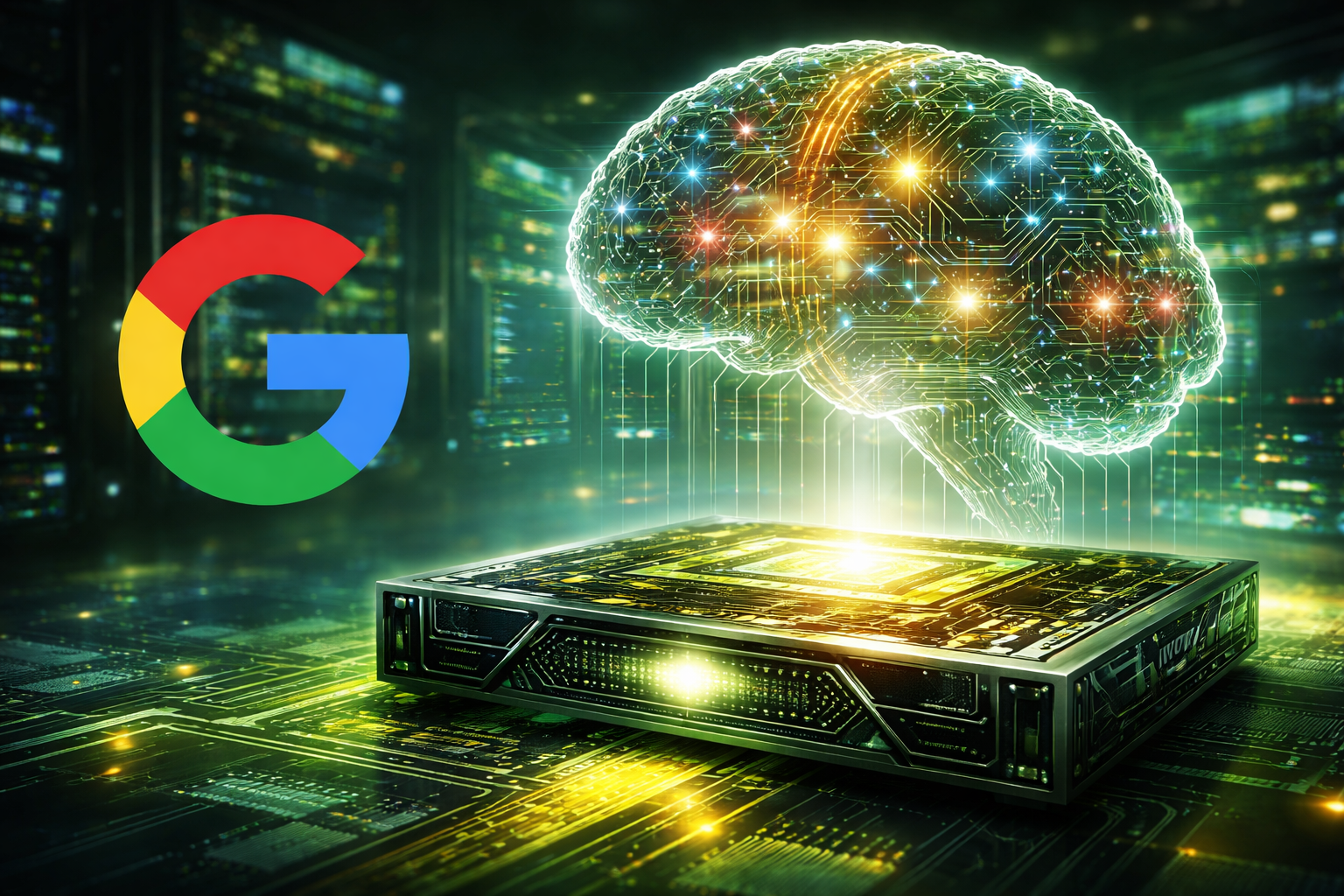
On April 2, 2026, the company launched Gemma 4 — its most capable open AI model family yet. What makes this release stand out isn’t just its performance, but the fact that these powerful models can run efficiently on a single GPU, while also being released under a fully permissive Apache 2.0 license.
In simple terms, Google is making frontier-level AI more accessible than ever before.
What Is Gemma 4?
Gemma 4 comes in four sizes, ranging from lightweight versions (E2B and E4B) designed for phones and laptops, to larger 26B and 31B models that can still run on a single high-end GPU like the NVIDIA H100.
The models are multimodal, meaning they can handle text, images, and even audio on smaller variants. They also support very long context windows—up to 256K tokens on larger models—allowing for deeper reasoning and more complex task handling.
Importantly, they are built with agentic capabilities in mind. This means they can:
- Think step-by-step
- Use tools
- Handle complex workflows more independently
Google’s switch to the Apache 2.0 license gives developers full freedom to use, modify, and even build commercial products on top of Gemma 4 without restrictive terms.
Why This Release Feels Different
For years, the most powerful AI systems have been locked behind expensive APIs or required massive data center infrastructure.
Gemma 4 moves in the opposite direction.
Smaller teams, independent developers, researchers, and companies worldwide can now experiment with high-quality AI locally. You no longer need a massive cloud budget or enterprise-level infrastructure to run models that perform close to the frontier.
The 31B model delivers strong benchmark performance for its size, and quantized versions can run efficiently on consumer-grade GPUs. This opens the door to on-device AI that:
- Keeps data private
- Works offline
- Responds faster
These advantages are especially valuable for privacy-conscious users and regions with limited internet access.
What It Means for the World in 2026
This release is significant because AI is no longer limited to a handful of large tech companies.
- Developers and startups can fine-tune models for local languages and industries
- Educators and researchers gain access to advanced AI without high costs
- Businesses can deploy AI systems while keeping sensitive data on local hardware
- Open-source communities can build faster and collaborate globally
For emerging markets, including parts of Africa, this shift could unlock entirely new opportunities in AI-driven innovation.
Challenges Still Exist
While Gemma 4 lowers the barrier to entry, some challenges remain:
- Running advanced AI still requires capable hardware
- Energy consumption remains a concern
- Responsible AI deployment is critical
- The long-term impact on jobs and industries needs careful attention
Even so, making AI more accessible is a major step toward more inclusive technological growth.
The Bigger Picture
Gemma 4 reflects a broader trend in 2026:
- From massive centralized models → to efficient, distributed AI
- From exclusive access → to global participation
We are moving toward a world where powerful AI runs closer to users—on laptops, edge devices, and local servers.
Whether you’re a developer in Lagos, a researcher in Bangalore, or a startup founder in São Paulo, tools like Gemma 4 make it easier to participate in the AI revolution—not just consume it.
Final Thoughts
Gemma 4 is more than just another AI release—it represents a shift in how artificial intelligence is developed and shared.
By combining high performance, efficiency, and open access, Google is helping shape a future where more people can build, experiment, and innovate with AI.
At GTV Daily, we’ll continue tracking how these models are adopted and what real-world applications emerge.
Join the Conversation
What do you think about Google’s Gemma 4 release?
Will open and efficient models like this accelerate global innovation, or do you see challenges ahead?
Share your thoughts respectfully in the comments.
Featured image AI-generated. Learn more here