Forex Trading in 2026: How Geopolitical Tensions and Oil Prices Are Shaping the Market Right Now
The forex market, the largest financial market in the world, rarely stays quiet for long. In early April 2026, it is reacting strongly to rising geopolitical uncertainties, particularly the escalating tensions between the United States and Iran and the potential risks to oil supply routes in the Middle East.
While economic data and central bank policies remain important, this year traders are finding that global events are playing an outsized role in driving currency movements.
The Current Market Environment
As of April 7, 2026, the U.S. Dollar has shown resilience amid heightened risk aversion. Safe-haven flows have supported the greenback as investors seek stability during uncertain times. Meanwhile, currencies tied to energy-importing economies — such as the euro (EUR) and Japanese yen (JPY) — have faced downward pressure.
Oil prices have been volatile but generally trending higher due to concerns over the Strait of Hormuz, a narrow waterway through which roughly one-fifth of the world’s daily oil supply passes. Any threat to this critical route tends to push energy costs upward, which in turn influences inflation expectations and interest rate forecasts across major economies.
This environment has created noticeable movements in key currency pairs:
- EUR/USD has remained under pressure as higher energy costs weigh on European growth prospects.
- USD/JPY continues to be sensitive, with the yen’s traditional safe-haven appeal being tested by Japan’s heavy reliance on imported oil.
- GBP/USD has shown some seasonal tendencies toward strength in April, but broader risk sentiment often overrides these patterns.
For traders around the world — whether based in London, New York, Singapore, Lagos, or Mumbai — these developments highlight how interconnected the forex market truly is.
Why Geopolitics Has Become So Influential
Geopolitical events have always affected currencies, but their impact feels more pronounced in 2026. When tensions rise in key oil-producing regions, two main effects often appear:
First, higher oil prices can feed into broader inflation concerns, forcing central banks to reassess their monetary policy paths. Second, periods of uncertainty tend to drive investors toward the U.S. Dollar as the world’s primary reserve currency.
These shifts can happen rapidly and sometimes catch traders focused only on technical analysis off guard. Many experienced market participants now stress the importance of staying informed about both fundamental drivers and global news flow.
The Importance of Risk Management in Volatile Times
In an environment like this, risk management becomes even more critical. Sudden spikes in volatility can create both opportunities and significant challenges. Traders often remind themselves of core principles:
- Maintaining appropriate position sizes relative to account balance
- Using stop-loss orders thoughtfully to manage potential downside
- Avoiding overexposure during major news events
- Diversifying across different currency pairs rather than concentrating risk
While volatility can open trading windows, it also increases the likelihood of rapid losses. Many observers recommend focusing more on longer-term trends and macroeconomic context rather than attempting to catch every short-term price swing.
Broader Implications for Traders Worldwide
The current situation serves as a useful case study in how global events influence local markets. For traders in emerging economies, fluctuations in major pairs can affect everything from import costs to local currency stability. Even those who trade purely on technical setups are increasingly acknowledging the need to factor in geopolitical risks.
Central banks around the world are also watching closely. Higher energy prices could complicate their efforts to manage inflation while supporting growth, potentially leading to more cautious policy decisions in the months ahead.
Looking Ahead
The coming weeks and months will likely hinge on how the Middle East situation develops and whether diplomatic channels can reduce uncertainty. Any resolution or de-escalation could ease pressure on oil prices and support riskier currencies, while prolonged tensions might keep the U.S. Dollar supported.
For anyone participating in the forex market — whether as a hobbyist, part-time trader, or professional — staying informed about both economic fundamentals and geopolitical developments has become essential in 2026.
At GTVDaily, we aim to provide clear context on these market-moving events so readers can better understand the forces at play.
Join the Conversation
How are current geopolitical tensions affecting your perspective on the forex market? Do you pay more attention to news events or technical analysis during volatile periods? Feel free to share your thoughts respectfully in the comments below.
Sources: Data and insights compiled from Forex.com, FXStreet, Bloomberg, Reuters, and independent editorial analysis.
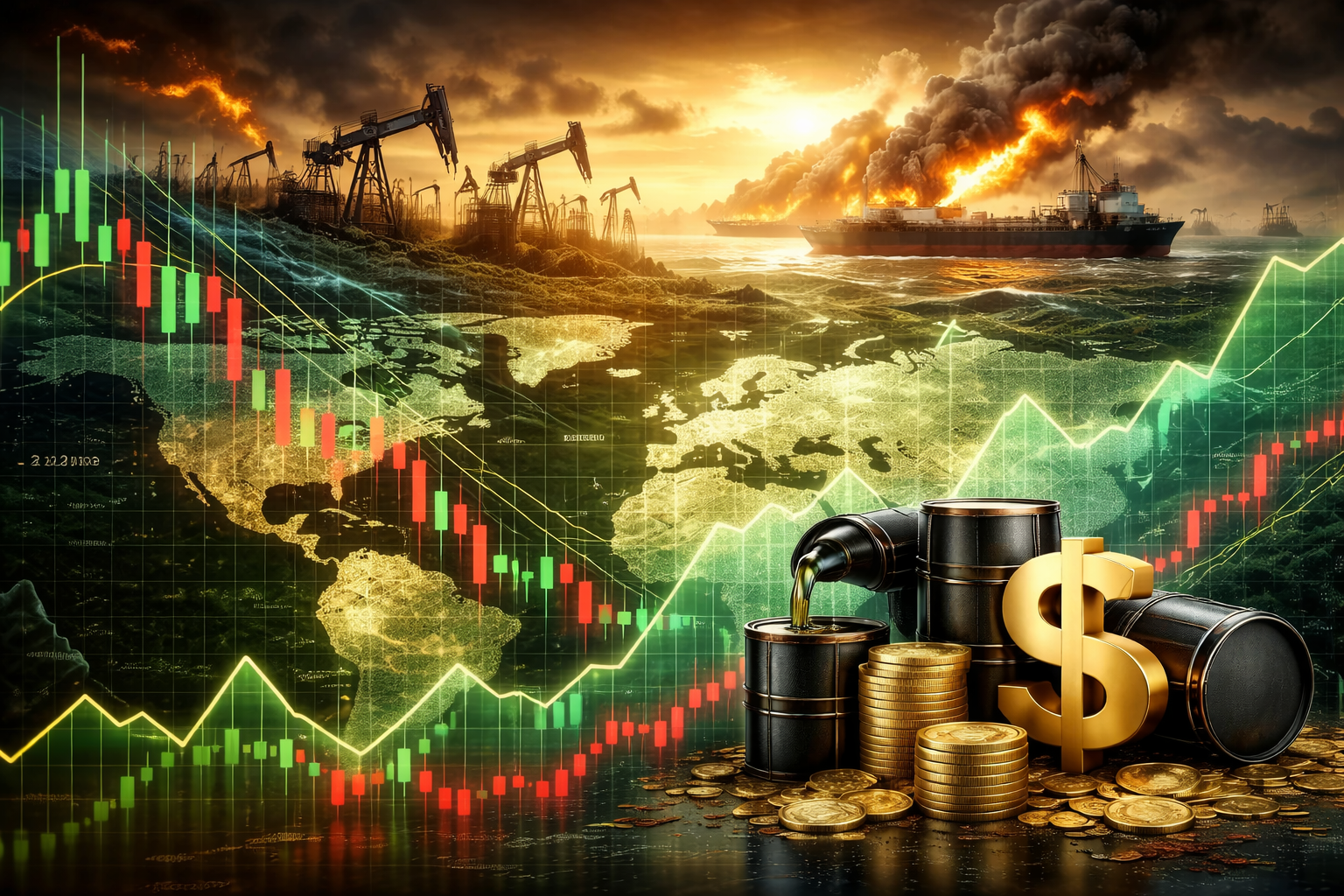
Featured image AI-generated. Learn more here