Iran Warns of “More Devastating” Retaliation Against Israel as Middle East Tensions Rise – April 6, 2026
Tensions in the Middle East have escalated once again, with Iran issuing a strong warning of “much more devastating” retaliation if civilian areas are targeted in its ongoing standoff with Israel.
The statement, delivered by Iranian officials on April 5, has heightened fears that the cycle of strikes and counter-strikes could spiral into something far more dangerous. For many watching from afar — including here in Nigeria — this serves as another reminder of how quickly regional conflicts can send ripples across the globe.
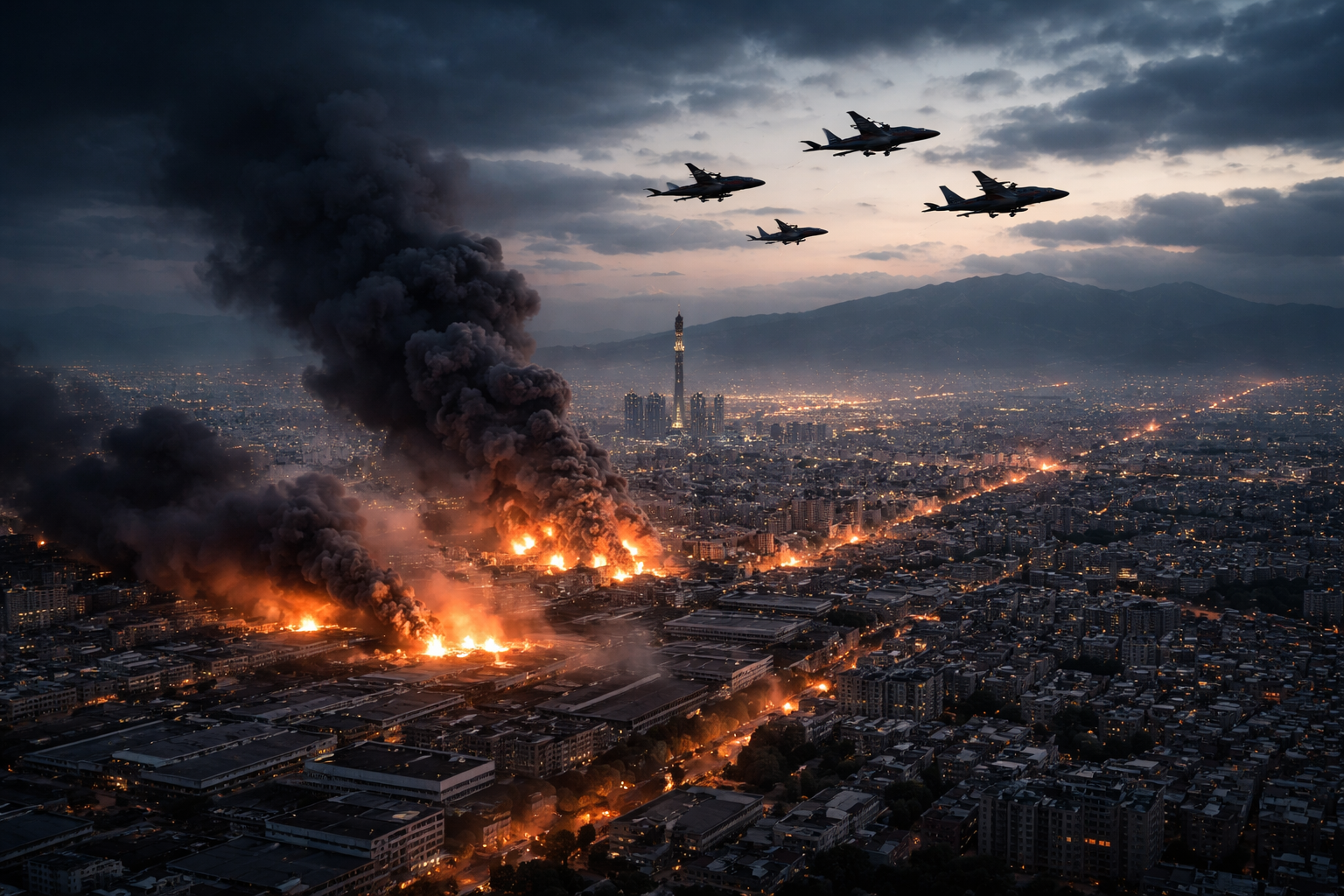
Fresh Missile Barrage Over Israel
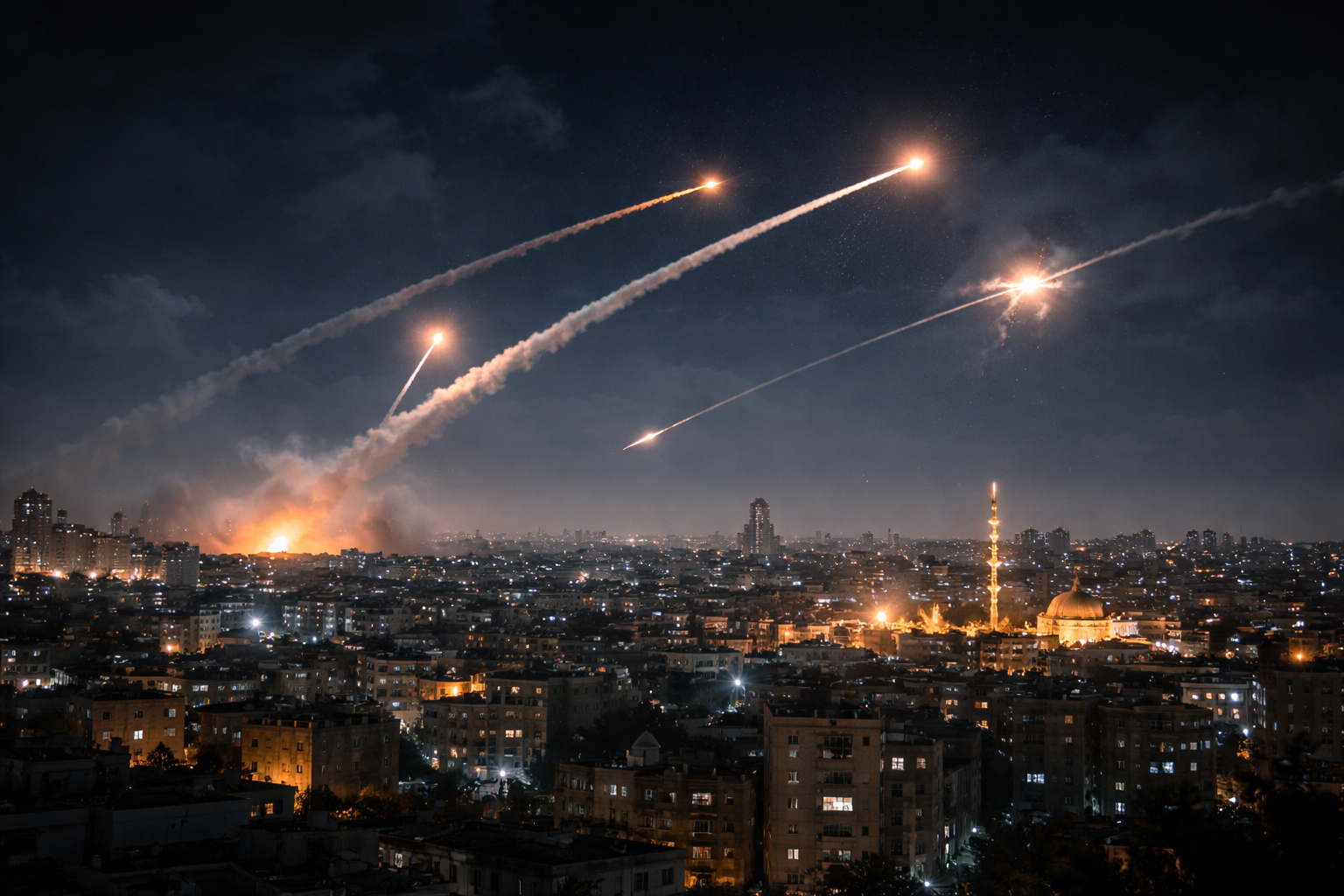
Late last month, residents in Netanya and other coastal areas in Israel experienced a frightening night as multiple rockets lit up the sky. Air defense systems were activated, and emergency services swung into action. Reports confirmed at least one fatality, underscoring the very real human cost when tensions boil over.
While accounts of exactly what triggered the latest exchange vary between the two sides, the incident has left civilians on edge and diplomats scrambling to prevent further escalation.
Iran’s Firm Warning
In its latest statement, Iran made its position clear: any deliberate targeting of civilian populations would cross a dangerous red line and trigger a response far more severe than what has been seen so far.
Analysts interpret this as both a warning and a strategic message. Iran appears determined to deter what it sees as aggressive moves while signaling that it is prepared to match or exceed any perceived provocation. In such a volatile environment, words like these carry heavy weight and can quickly shift the mood on the ground.
Long-Standing Rivalry Moving into Direct Confrontation
The friction between Iran and Israel has deep roots, built over years of indirect clashes through regional proxies, cyberattacks, and shadow operations. What makes the current situation particularly concerning is the shift toward more open and direct exchanges.
This evolution raises the stakes significantly. A single misstep or miscalculation could pull in other players and destabilize not just the Middle East, but energy markets and international relations far beyond the region.
Global Concern and Diplomatic Push
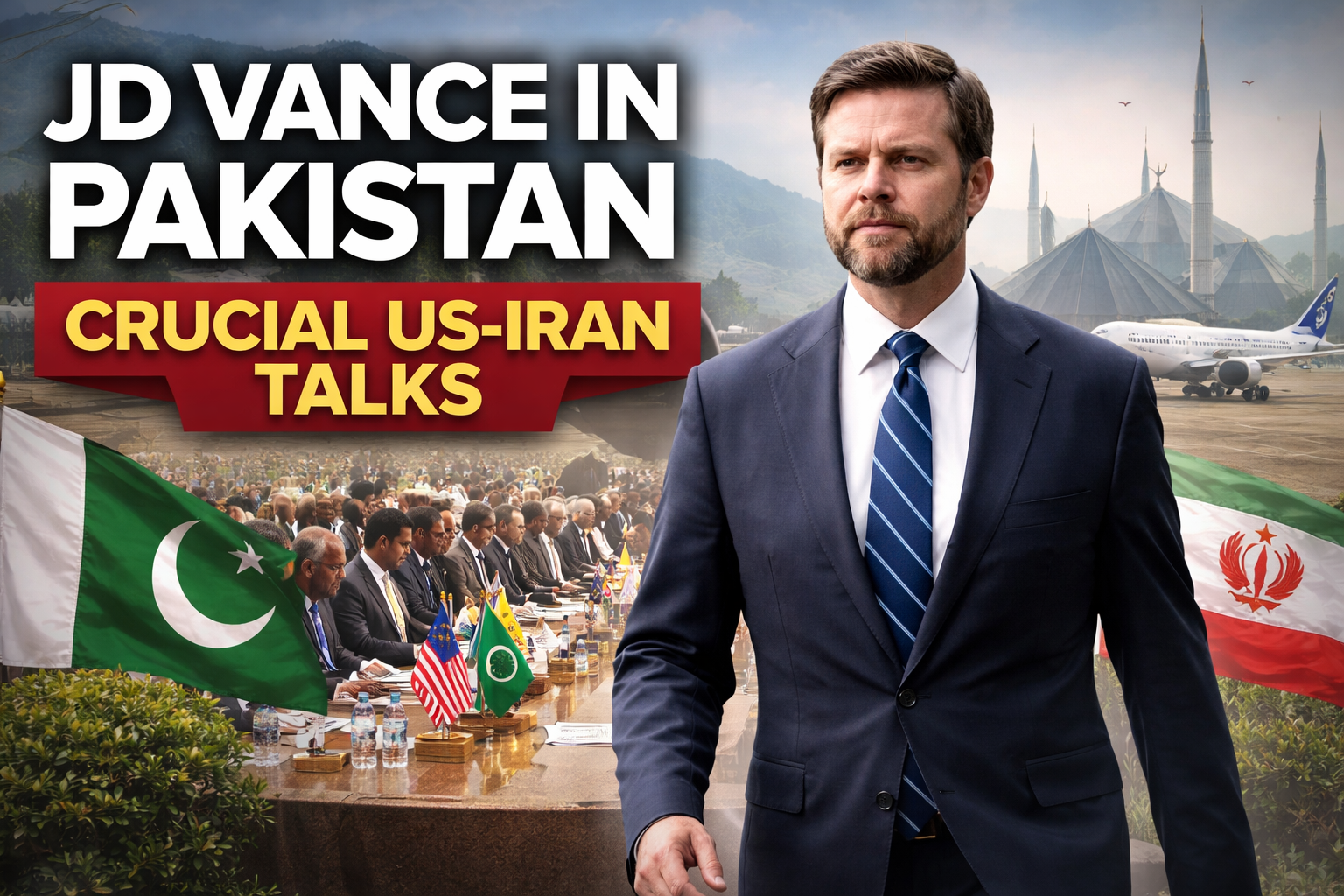
The international community is watching closely. Several governments and organizations have called for immediate restraint and a return to diplomatic channels. Behind-the-scenes talks are reportedly ongoing, though progress remains fragile amid the heated rhetoric.
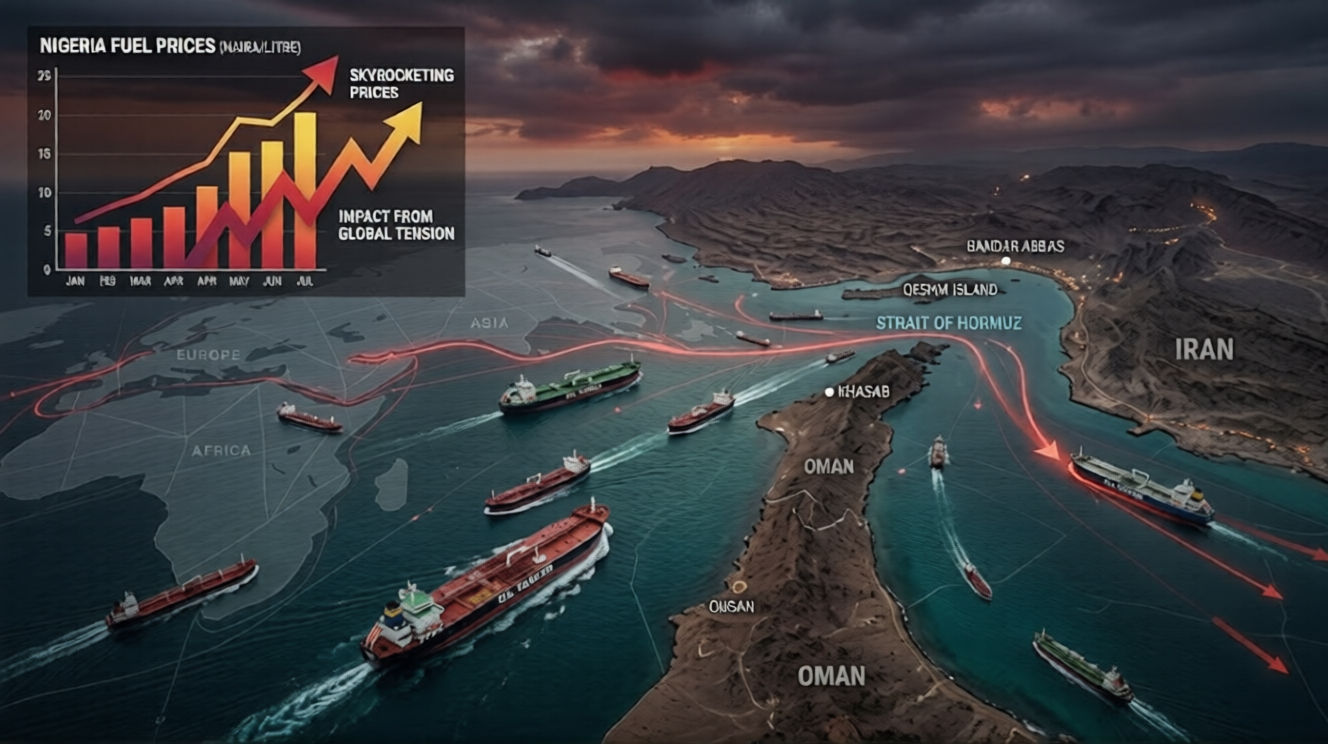
For countries like Nigeria, which rely heavily on stable global oil supplies, any prolonged disruption in the Middle East carries real economic implications — from higher fuel costs at home to pressure on government revenues.
The Human and Economic Toll
Beyond the headlines about military strategy and geopolitics, the human impact is impossible to ignore. Families in affected areas live with daily uncertainty, while healthcare workers and emergency responders bear the brunt of each new incident.
On the economic front, even the threat of wider conflict has already caused oil prices to fluctuate. Investors are growing cautious, and many are shifting toward safer assets as uncertainty lingers.
What Lies Ahead?
The coming days will be critical. Possible paths include:
- A measured de-escalation through quiet diplomacy
- Continued limited but tense exchanges
- Or, in the worst case, a broader regional involvement that draws in more actors
At this point, much depends on how both sides choose to respond and whether cooler heads can prevail.
Final Thoughts
Iran’s latest warning highlights just how delicate the balance remains in the Middle East. While military posturing continues, the hope is that diplomacy can still find space to work before the situation worsens.
Here at GTVDaily, we’ll keep following developments closely and breaking them down in clear terms — because events thousands of miles away can still affect everyday life back home, from the price of fuel to broader economic stability.
What are your thoughts on the latest developments in the Middle East? Feel free to share respectfully in the comments.
Sources: AFP, international media reports, and GTVDaily editorial research.
Featured image AI-generated. Learn more here