Court Ruling Challenges Trump’s Tariff Strategy in Second Term
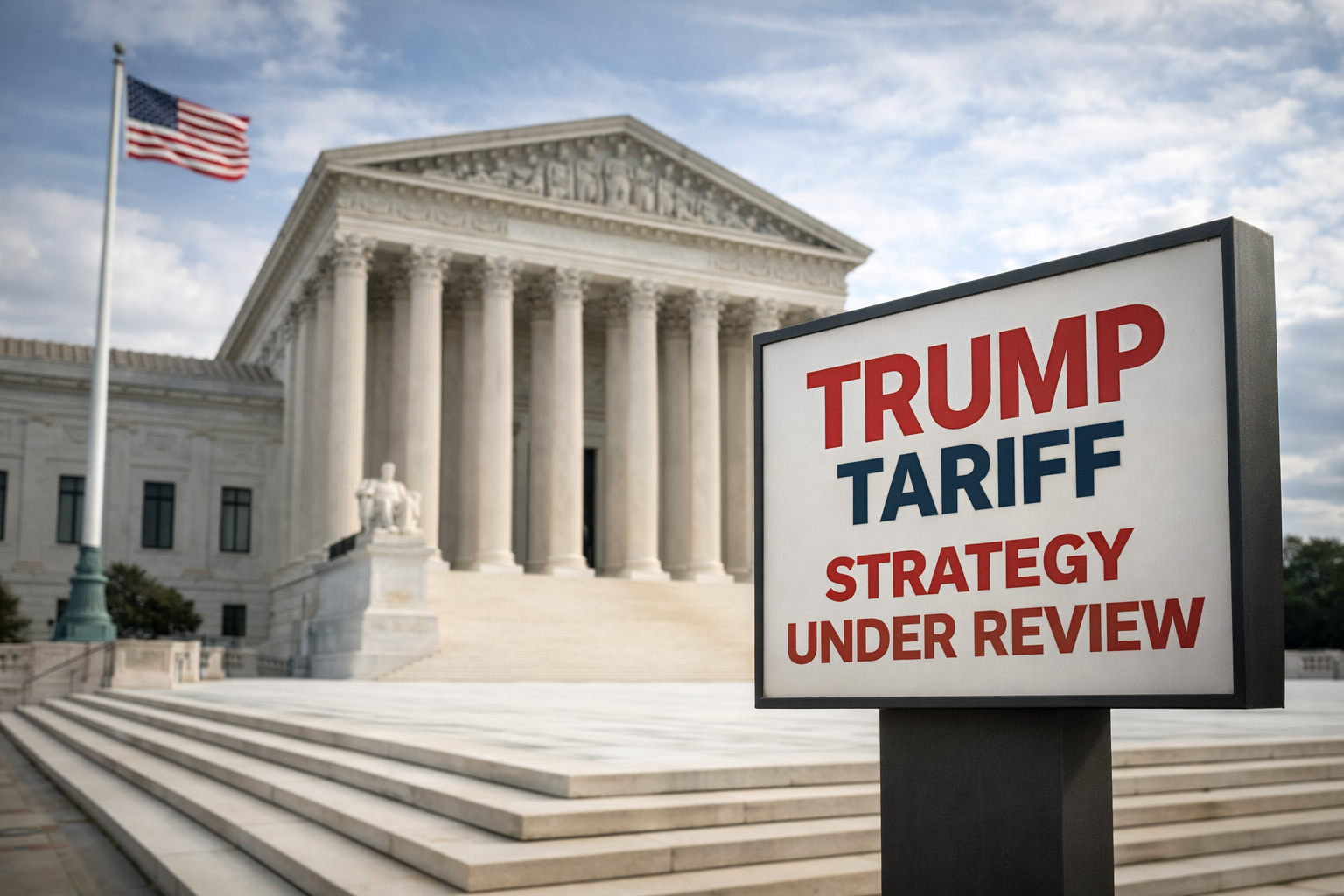
A recent federal court ruling has introduced new legal uncertainty around former President Donald Trump’s second-term trade strategy, particularly his use of tariffs as a central economic tool.
The decision questions the scope of executive authority in imposing wide-ranging import duties without additional congressional approval. While tariffs have long been used by U.S. administrations to influence trade relationships, the court’s interpretation suggests limits on how emergency powers may be applied in economic matters.
Throughout his second term, Trump positioned tariffs as a way to protect domestic manufacturing, address trade imbalances, and strengthen negotiating leverage with global partners. Supporters argue the approach prioritizes American industries, while critics contend it raises costs for businesses and consumers.
Legal experts say the ruling could reshape how future administrations approach trade enforcement measures. If upheld through further appeals, it may require greater legislative involvement before similar large-scale tariffs can be implemented.
Markets reacted cautiously following the development, with analysts noting that uncertainty over trade policy can influence investor confidence and supply chains. Businesses that rely on imported goods may now face questions about how future tariff policies will be structured.
The broader implications extend beyond a single administration. The case highlights ongoing debates about executive authority, constitutional checks and balances, and the balance of power between Congress and the presidency in economic decision-making.
For international trading partners, the ruling may signal potential adjustments in U.S. trade posture depending on how policymakers respond in the coming months.
While the administration has indicated it may pursue alternative legal pathways to maintain aspects of its trade agenda, the decision represents a significant moment in the continuing debate over presidential trade powers.