Global News Explained: Power Struggles in Venezuela, Russia-Ukraine Stalemate, Iran Crackdowns, and Rising Economic Pressures in 2026
The world feels more connected than ever — yet also more fragile. In early 2026, a mix of political upheaval, ongoing wars, and everyday economic headaches is keeping governments, businesses, and ordinary people on edge. From dramatic shifts in Latin America to grinding conflict in Europe and fresh unrest in the Middle East, these stories are shaping everything from fuel prices at the pump to job security back home.
Here’s a clear breakdown of the major developments making headlines right now and what they could mean for the rest of us.
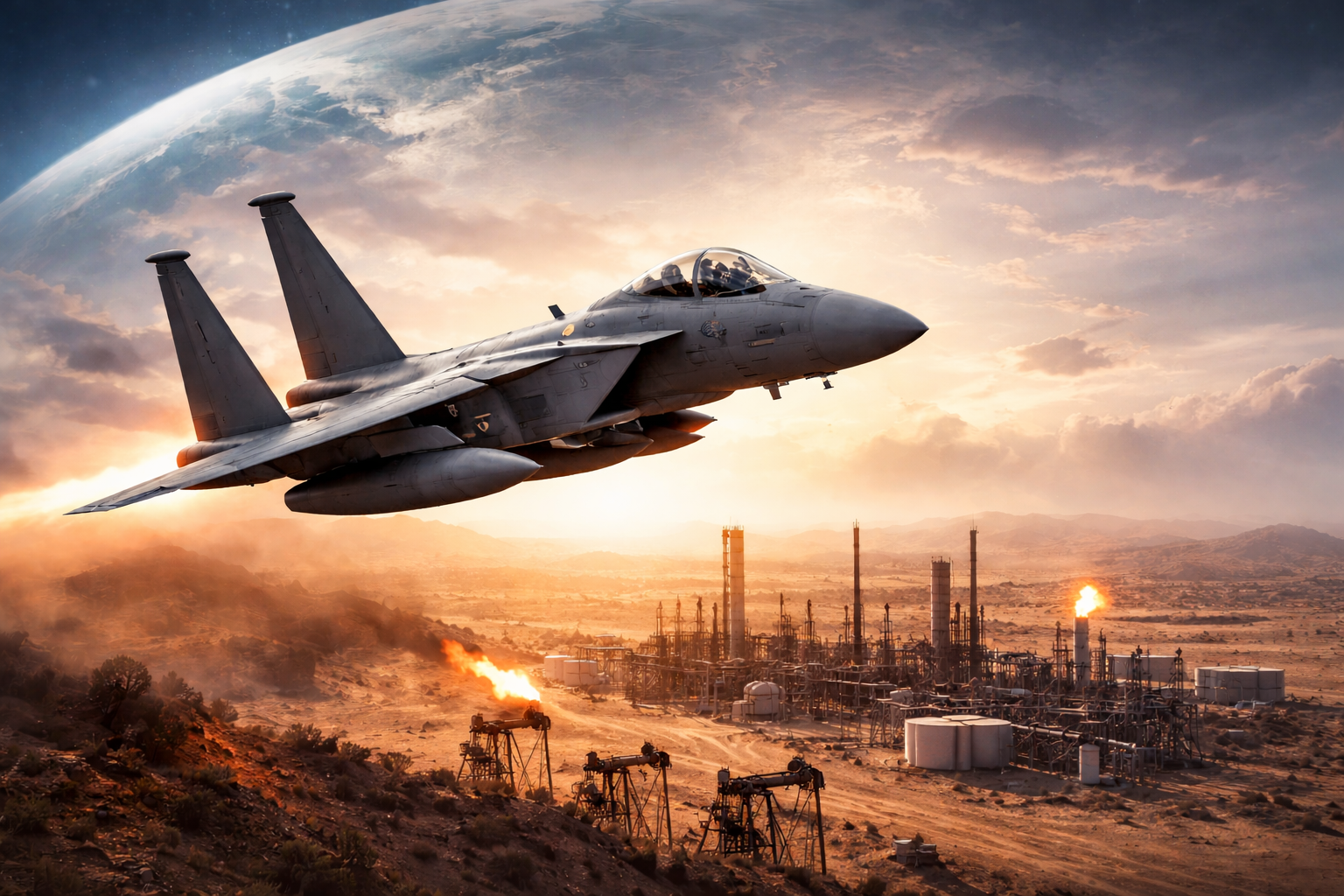
Venezuela: From Maduro’s Removal to Uncertain Transition
Venezuela has been through one of its most dramatic chapters yet. In January 2026, U.S. forces carried out a surprise operation in Caracas, capturing longtime leader Nicolás Maduro and his wife Cilia Flores on long-standing drug-related charges. Maduro was flown to the United States, where he pleaded not guilty.
In the aftermath, his former vice president Delcy Rodríguez was sworn in as interim president. The U.S. has since lifted several sanctions, re-established diplomatic ties, and signaled support for Rodríguez’s government while pushing for greater control over Venezuela’s vast oil resources.
Some see this as a step toward stabilization and economic recovery after years of crisis. Others worry that the repressive state machinery remains largely intact, with reports of continued arbitrary detentions and little real accountability for past abuses. Human rights groups continue to call for genuine democratic reforms rather than cosmetic changes.
For the region and beyond, the big question is whether this shift brings real hope for millions of Venezuelans who have endured hyperinflation, shortages, and mass emigration — or simply reshuffles power while old problems linger.
Russia-Ukraine War: No End in Sight as Europe Rethinks Defense
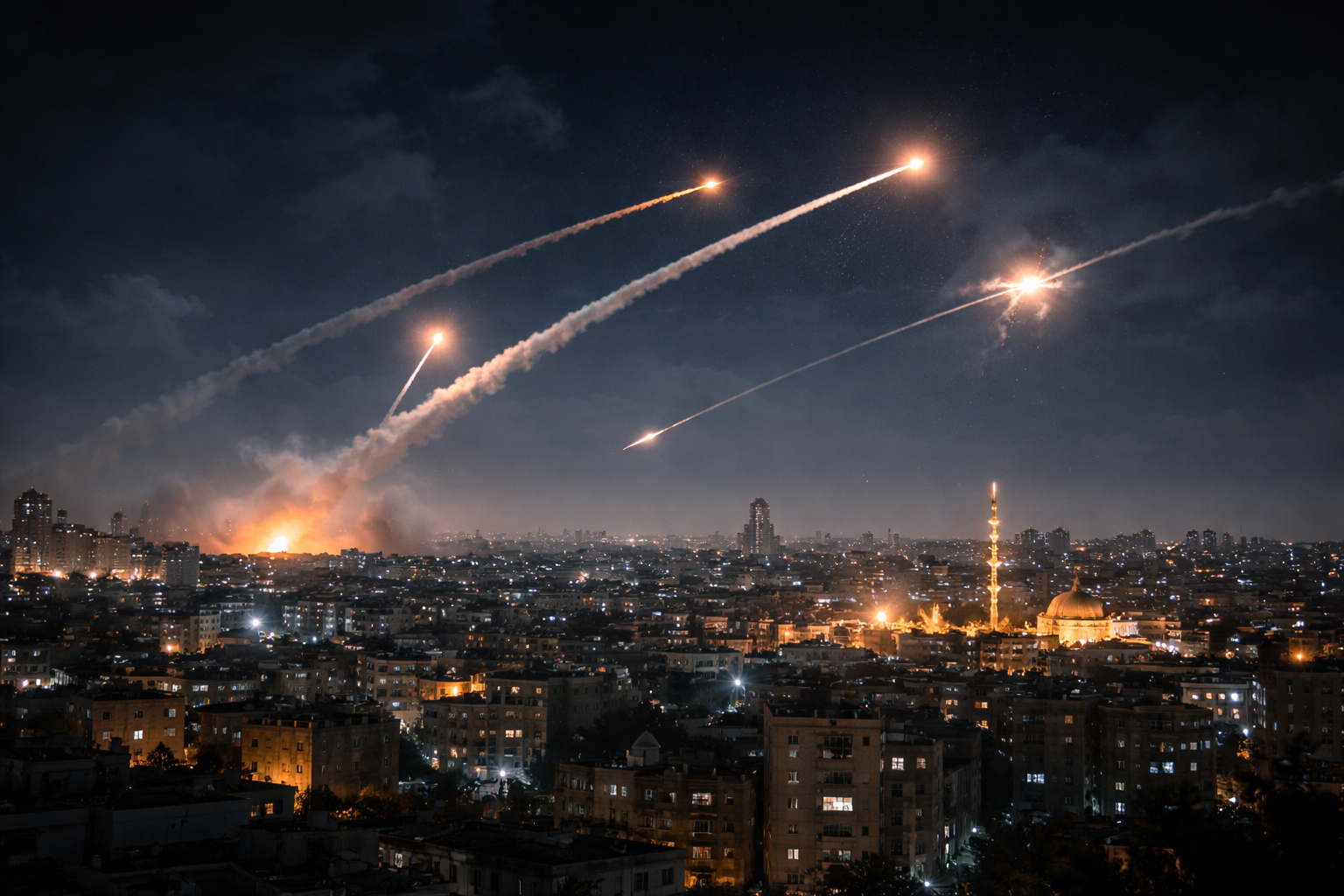
The war in Ukraine, now well into its fourth year, shows little sign of resolution. Russian forces continue slow advances in some areas, while Ukraine carries out deep strikes inside Russia, including on energy infrastructure. Both sides are locked in a brutal war of attrition, with heavy drone and missile exchanges becoming almost routine.
European countries are feeling the pressure. Many are boosting defense budgets, rethinking energy dependence, and debating long-term military aid to Ukraine. The conflict continues to ripple through global markets — pushing up food and energy costs in parts of the world still recovering from earlier shocks.
Analysts warn that without a diplomatic breakthrough, the human and economic toll will keep mounting, with potential consequences for everything from grain supplies to NATO’s future posture.
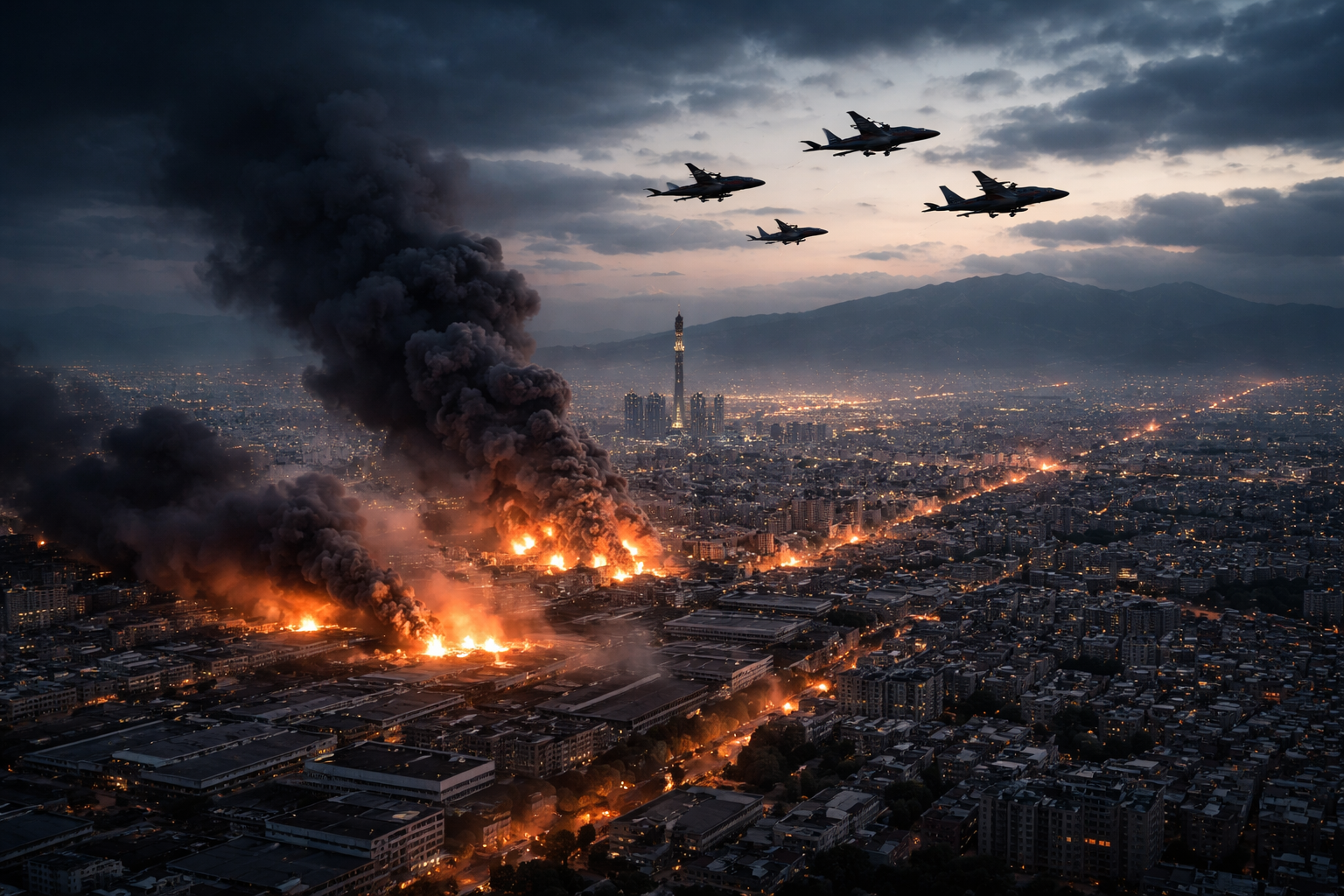
Iran: Deadly Crackdowns on Protests Spark International Concern
Iran has faced renewed turmoil after widespread protests erupted in late 2025 and spilled into 2026, driven largely by severe economic hardship. Security forces responded with a heavy hand, using live ammunition and leading to reports of mass casualties and thousands of arrests.
Human rights organizations, including Amnesty International and the UN, have documented serious violations, including enforced disappearances and restrictions on internet access that made it harder for the outside world to see the full picture. Calls for independent investigations and accountability have grown louder.
The situation remains tense, with fears that further unrest could destabilize the region even more, especially amid existing geopolitical frictions. For ordinary Iranians, the protests highlight deep frustrations over living costs, freedoms, and governance that show no easy fix.
Global Economy: Inflation, Trade Tensions, and Everyday Pressures
Beyond the headlines of conflict and politics, everyday wallets are feeling the strain. Global growth is holding but remains subdued, with economists projecting modest expansion in 2026 amid ongoing uncertainties.
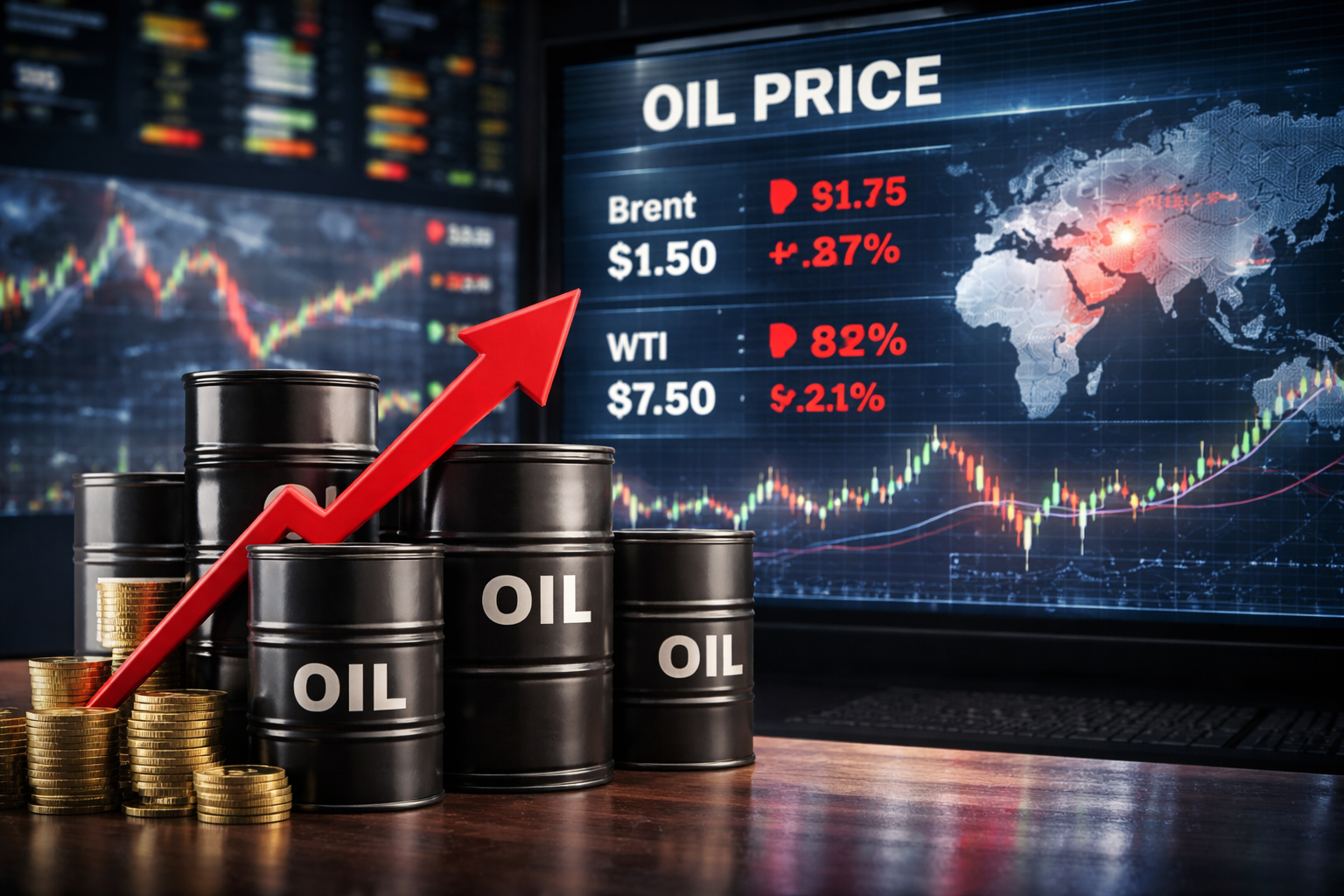
Inflation has cooled in many places but is proving sticky in others, especially where trade disputes and supply disruptions bite hardest. Rising tariffs, fluctuating energy prices (partly linked to conflicts), and higher defense spending are adding layers of complexity for businesses and households alike.
In many countries, families are still grappling with elevated costs for food, fuel, and housing. Governments are trying to balance support for infrastructure and technology with tight budgets. The big worry? Prolonged instability could slow recovery and widen gaps between richer and poorer nations.
What It All Means for the Rest of Us
These stories might seem far away, but they rarely stay isolated. A shift in Venezuela’s oil sector can influence global energy prices. The grinding war in Ukraine affects grain exports and food security. Unrest in Iran adds another layer of risk to an already volatile Middle East. And when major economies tighten belts or redirect spending toward defense, it often trickles down to jobs, investments, and opportunities everywhere.
In a world this interconnected, staying informed isn’t just about following the news — it’s about understanding how distant events can quietly reshape daily life, from the price of bread to the stability of entire regions.
What do you make of these developments? Which one concerns you most, or do you see any silver linings ahead? Share your thoughts respectfully in the comments below — let’s discuss how these global shifts are playing out where you are.
Featured image AI-generated. Learn more here