Nigeria Has No Plans to Borrow from IMF’s $50 Billion Fund – Wale Edun Explains
The Federal Government has made it clear: Nigeria is not looking to tap into the International Monetary Fund’s new $50 billion support package for struggling economies.
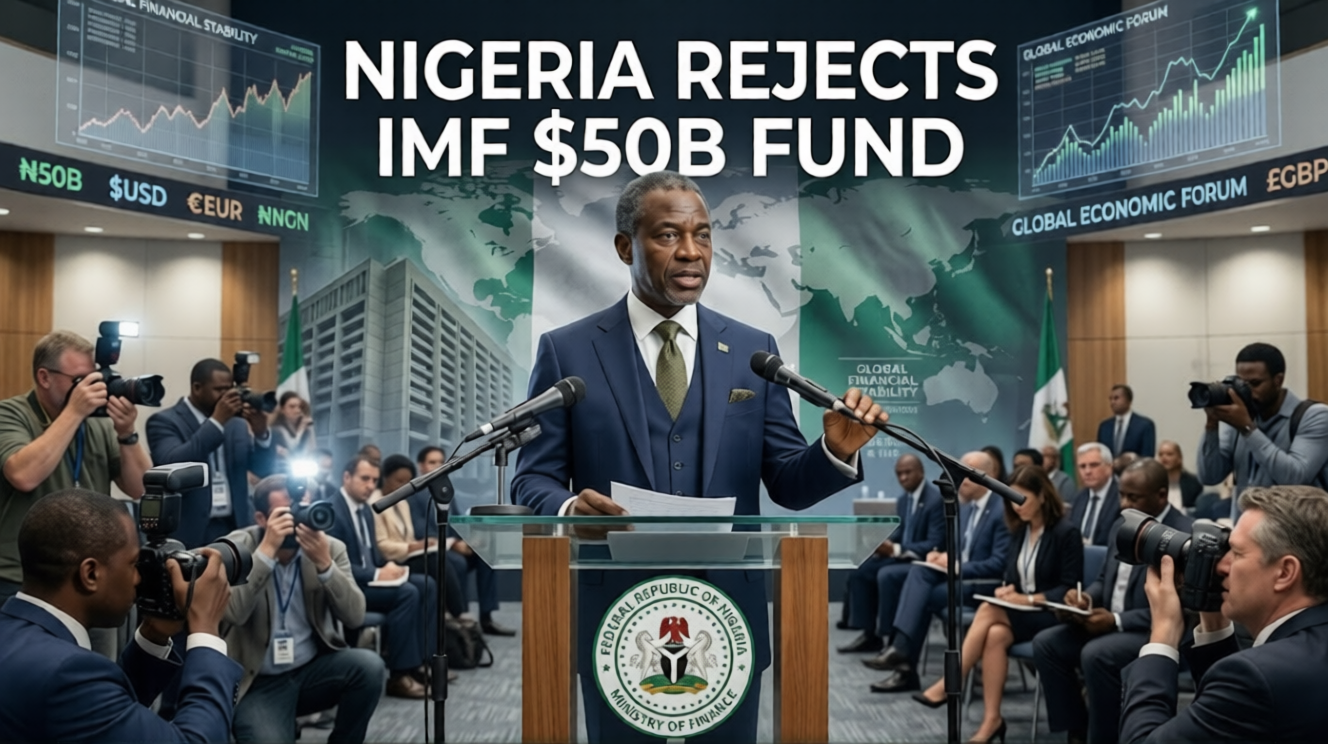
Finance and Coordinating Minister of the Economy, Wale Edun, dropped the statement yesterday during the ongoing IMF/World Bank Spring Meetings in Washington DC. When asked directly if Nigeria would go for any portion of the fund — which the IMF announced just a day earlier to help countries hit by global shocks — Edun’s answer was straightforward.
“Nigeria has no plans at the moment to approach the IMF for any such burden,” he said.
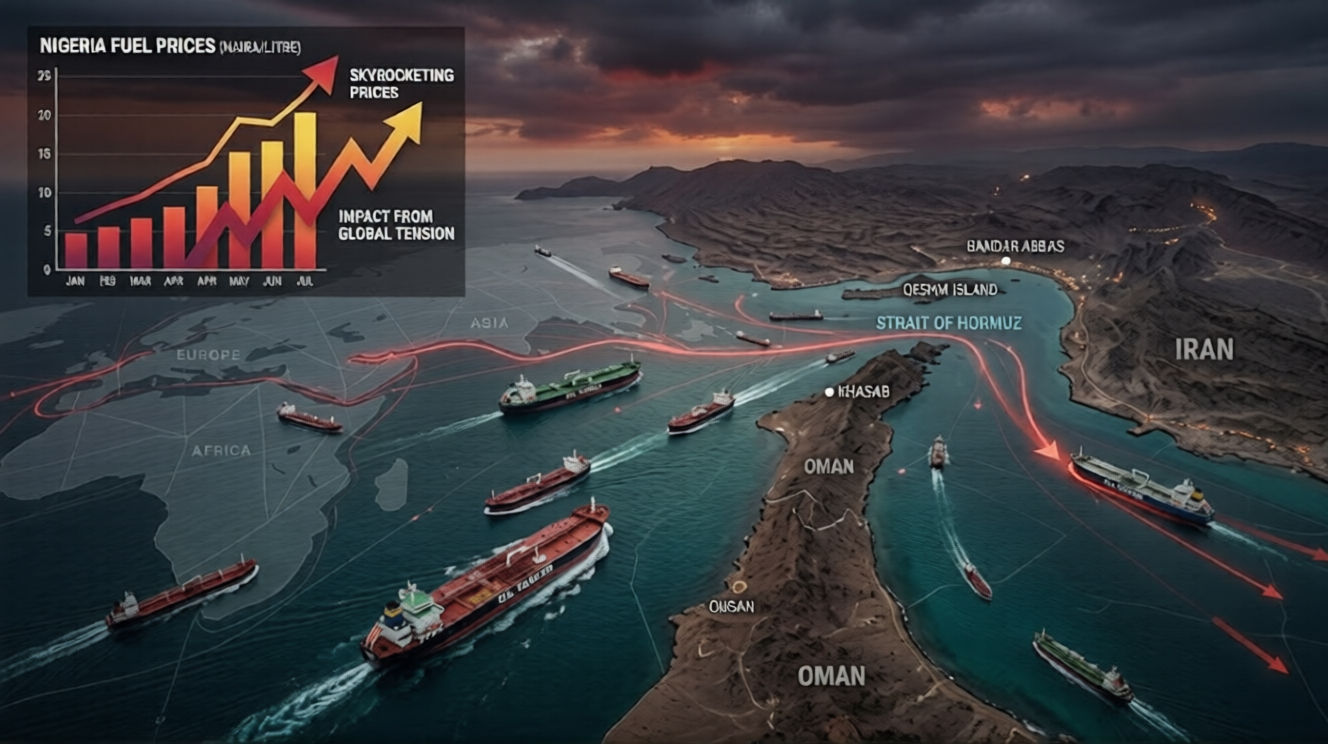
This comes at a time when many African countries are feeling the heat from rising fuel prices, inflation, and other economic pressures linked to tensions in the Middle East. The IMF had flagged the need for up to $50 billion in emergency financing for vulnerable economies, but Nigeria is choosing to sit this one out.
Why Nigeria Is Saying No for Now
According to Edun, the country is focusing on its own home-grown solutions. The government believes the ongoing economic reforms — things like foreign exchange liberalisation and the removal of fuel subsidies — are beginning to deliver results. Instead of adding more external debt, officials want to keep building on these internal efforts.
Edun also used the platform to push for something broader: he called on the IMF and other multilateral institutions to move faster and coordinate better when supporting African countries that actually need help. He emphasised that developing nations need more liquidity tools and lower borrowing costs, especially with the current global uncertainties.
In simple terms, Nigeria is saying it’s managing with what it has right now and doesn’t want to take on extra loans that could become another weight on the economy.
What This Means for Everyday Nigerians
For many people watching the news, this kind of announcement can feel a bit far from daily life — but it actually matters.
Debt and future generations: By avoiding new borrowing, the government is trying to prevent the country from piling up more external debt that would eventually need to be repaid with interest.
Naira and prices: Staying away from IMF loans often means the government can continue steering its own policies without strict conditions that sometimes come with such packages. This could help keep some stability in the forex market, which many Nigerians already follow closely after seeing recent naira movements.
Cost of living: If the reforms continue to work, it could eventually ease pressure on imported goods, fuel, and food prices — though everyone knows these changes don’t happen overnight.
Of course, not everyone agrees on the pace of reforms. Some families are still feeling the pinch from higher costs, and critics often argue that more support (even from outside) could help cushion the impact. But Edun’s message is clear: the country is betting on its current path.
Important Reminders
This position is “at the moment” — economic situations can shift quickly depending on oil prices, global events, or domestic developments.
The statement was made in the context of the IMF/World Bank meetings, where many finance ministers from around the world are gathered to discuss these exact issues.
For the most accurate updates, always check official sources like the Ministry of Finance or the Central Bank of Nigeria website.
Looking Ahead
With the naira showing some steadiness in recent days and the government doubling down on self-reliance, many observers will be watching closely to see how these policies play out in the coming months. Global factors like oil prices and inflation trends will still play a big role.
In summary, Nigeria is politely passing on the IMF’s $50 billion offer for now. Wale Edun’s explanation boils down to confidence in the country’s own reforms and a desire to avoid adding more debt. It’s a signal that the government wants to keep steering the economy on its own terms — something that will affect everything from the naira’s value to the price of everyday goods.
Disclaimer: This article is for informational purposes only and does not constitute financial or investment advice. Economic policies and statements can evolve. GTVDaily is not responsible for any decisions made based on this information. Readers should consult official government sources, the Ministry of Finance, or the Central Bank of Nigeria for the latest updates.
Featured image AI-generated. Learn more here