US Prepares to Deploy Thousands of Elite 82nd Airborne Troops Amid Escalating Iran Conflict
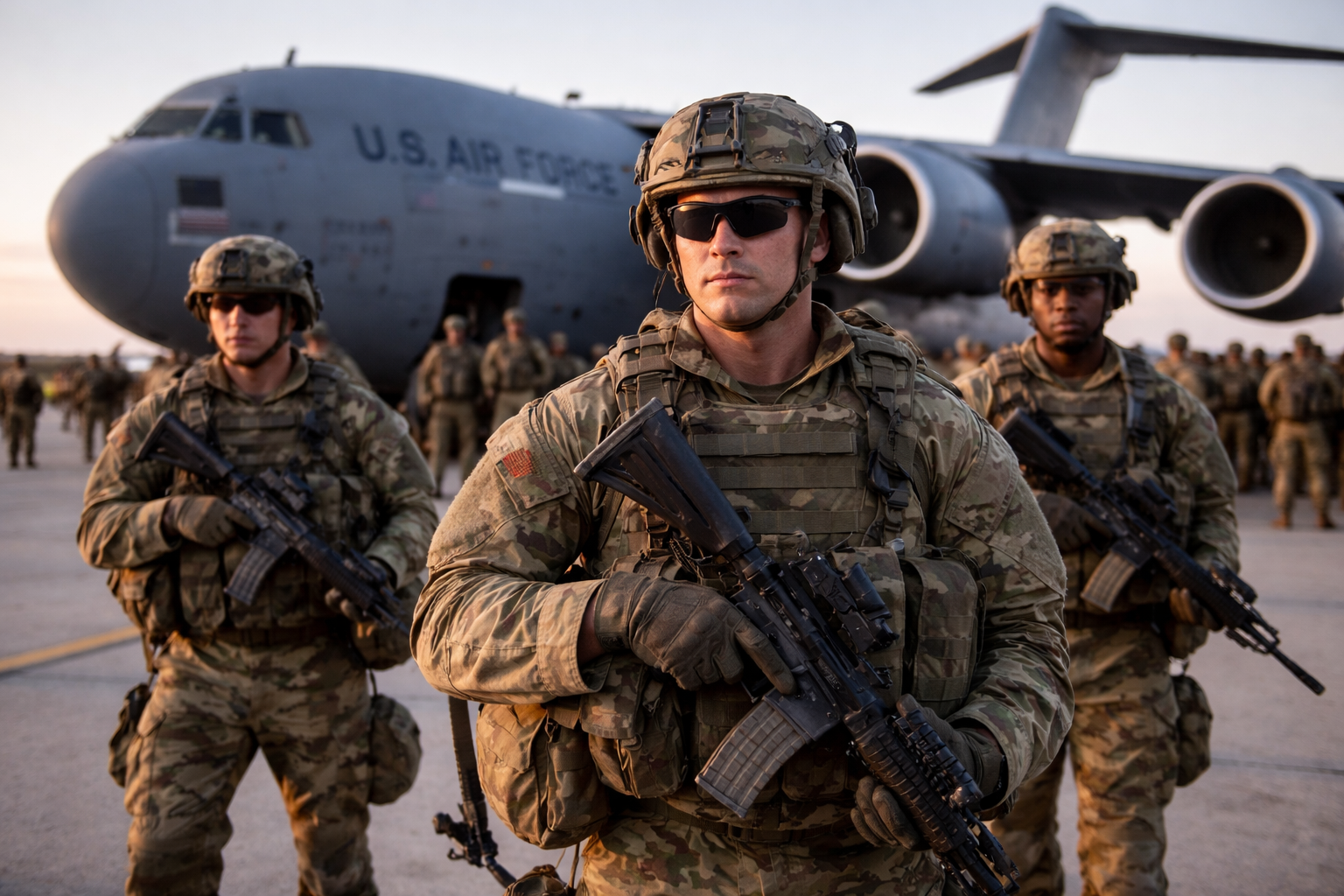
The United States is increasing its military readiness in the Middle East, with reports indicating that thousands of soldiers from the elite 82nd Airborne Division are being prepared for possible deployment to the region.
According to multiple sources, including Reuters, AP, CNN, and The New York Times, the Pentagon has ordered elements of this rapid-response unit — with initial figures ranging from about 1,000 to up to 3,000 troops — to move toward the Middle East as the ongoing conflict involving Iran continues.
What Is the 82nd Airborne Division and Why Does It Matter?
The 82nd Airborne Division, based at Fort Liberty in North Carolina, is one of the U.S. Army’s most versatile and fast-moving units. Known as the “All Americans,” its paratroopers are specially trained to deploy anywhere in the world within 18 hours, often by parachute, to secure airfields, key locations, or support larger operations in crisis zones.
Placing elements of this unit on heightened alert (or issuing deployment orders) is not a routine step. It signals that U.S. military planners want highly capable forces ready if the situation on the ground changes rapidly.
So far, no final decision has been announced for these troops to engage in combat inside Iran itself. Officials describe the move as building flexibility and options rather than an immediate escalation.
Why Is This Happening Now?
The deployment fits into a broader U.S. military buildup in the region, which already includes thousands of Marines and other forces heading to the Gulf. This comes as the conflict between the U.S., Israel, and Iran enters a more intense phase, with diplomatic talks reportedly continuing in parallel.
By preparing these elite troops, the United States is keeping its options open — whether to protect strategic interests, support allies, deter further actions, or respond quickly if needed. It also serves as a visible signal that Washington is closely monitoring developments and treating the situation with serious caution.
At the same time, President Trump’s administration has publicly discussed potential deals to end the fighting, showing that military moves and diplomacy are happening side by side.
What Could These Troops Actually Do?
If deployed, the 82nd Airborne soldiers would likely play a support and contingency role rather than leading a full-scale ground invasion. Their specialties include rapid insertion and securing critical sites, which could be useful for protecting shipping lanes, supporting existing forces, or — in a worst-case scenario — helping seize strategically important locations like oil infrastructure.
However, many analysts emphasize that this is still precautionary planning. The focus remains on having forces in position rather than rushing into direct combat.
Why This Matters to the Rest of the World
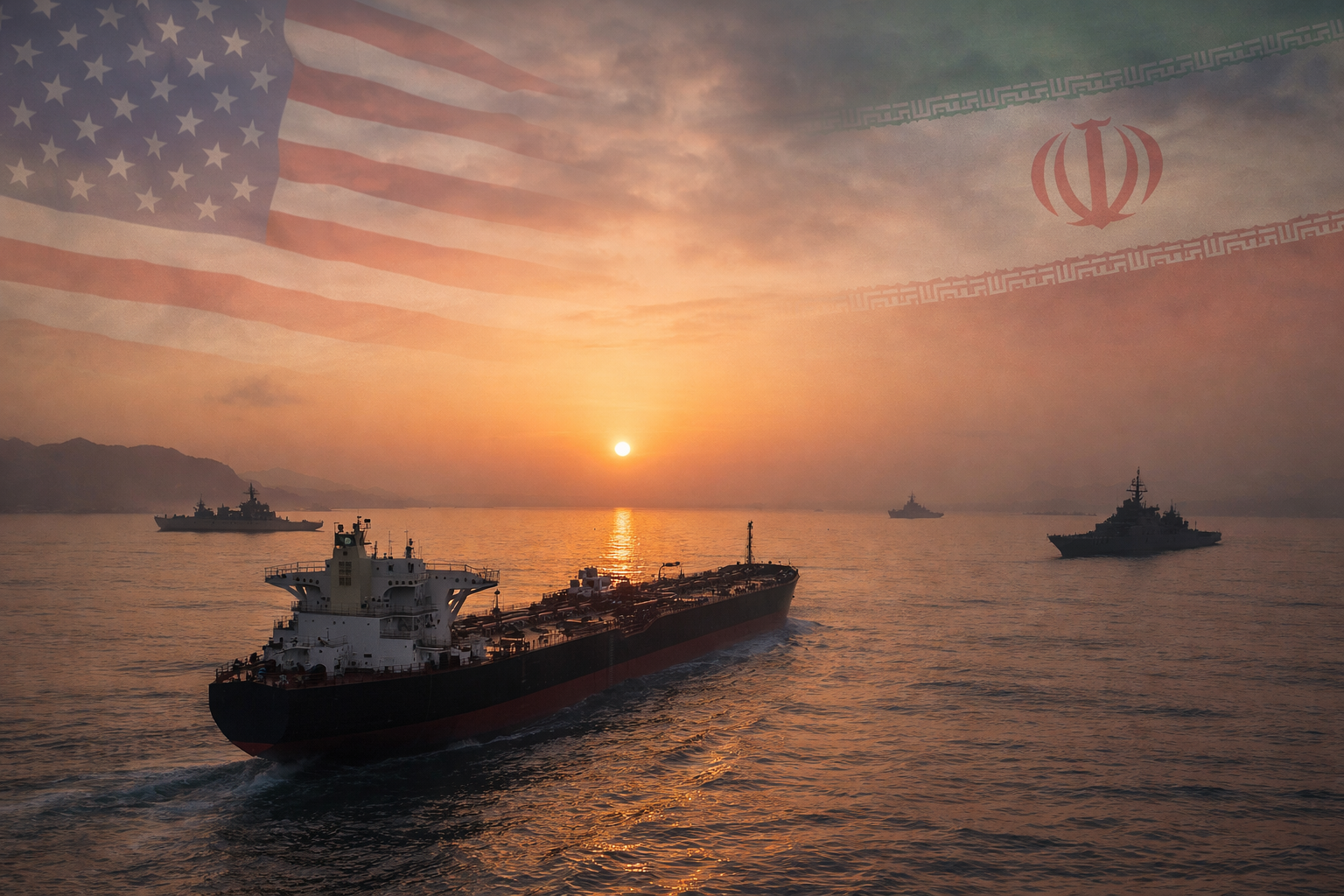
Events in the Middle East rarely stay local. The region is a vital hub for global energy supplies, particularly oil that flows through the Strait of Hormuz.
Any disruption — whether from heightened tensions, attacks on shipping, or instability — can quickly push energy prices higher. That ripple effect is felt everywhere:
- Higher fuel and transportation costs
- Increased prices for goods and services
- Pressure on economies that rely heavily on oil imports or exports
For countries far from the region, including in Africa, Asia, and Europe, even the perception of instability can influence markets, inflation, and daily living costs.
Could This Lead to a Wider Conflict?
Not necessarily. History shows that troop movements and alerts are often used as deterrents or insurance policies during tense periods. They buy time for negotiations and reduce the risk of being caught unprepared.
That said, the presence of additional elite forces does raise the stakes. If diplomacy stalls and the conflict escalates, having these troops nearby could allow for a faster response — something both sides are acutely aware of.
Iran has already issued warnings in response to the reported deployments, adding another layer of uncertainty.
What Happens Next?
The coming days and weeks will be telling. Much depends on whether ceasefire efforts or talks gain momentum, or if further military actions unfold.
For now, this troop preparation highlights the seriousness of the situation without guaranteeing escalation. Global leaders, markets, and citizens will be watching closely to see how events develop.
Disclaimer: This article is for informational purposes only and is based on publicly available reports from major news outlets as of late March 2026. The situation is developing rapidly, and details may change. Readers are encouraged to consult multiple reliable sources for the latest updates.
Featured image AI-generated. Learn more here