Naira Exchange Rate Today (April 17, 2026) – Dollar, Pound & Euro Rates
The Nigerian naira remained relatively steady against major foreign currencies heading into April 17, 2026. After several weeks of fluctuations, this period of calm is offering a bit of breathing room for many who follow the forex market.
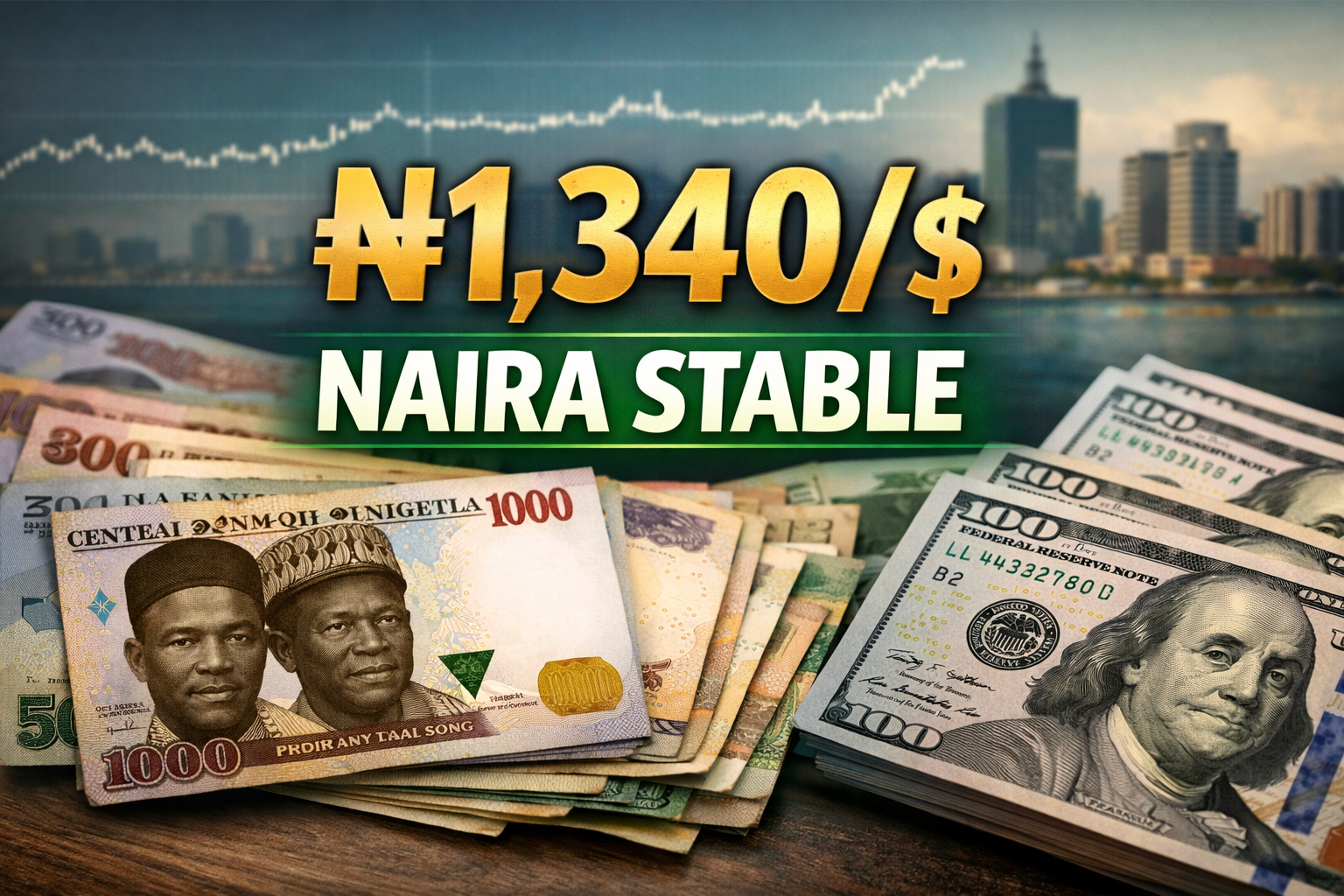
In the official foreign exchange window managed by the Central Bank of Nigeria (CBN), the naira traded within a narrow range of approximately ₦1,340 to ₦1,344 per US dollar. This reflects the bank’s ongoing efforts to maintain liquidity and reduce sharp swings in the Nigerian Foreign Exchange Market.
On the parallel market — the rates most Nigerians, small businesses, importers, and travellers actually encounter — the US dollar was trading between roughly ₦1,385 (buy) and ₦1,410 (sell) in major cities such as Lagos. The British pound and euro also showed limited movement during this time.
Latest Rates Breakdown (as of April 17, 2026)
US Dollar (USD)
- Parallel market buy: ₦1,385 – ₦1,390
- Parallel market sell: ₦1,405 – ₦1,410
- Official/CBN rate: ₦1,342 – ₦1,344
- Recent trend: Mostly stable
British Pound (GBP)
- Parallel market buy: Around ₦1,840
- Parallel market sell: ₦1,405 – ₦1,410
- Official/CBN rate: ₦1,342 – ₦1,344
- Recent trend: Mostly stable
British Pound (GBP)
- Parallel market buy: Around ₦1,840
- Parallel market sell: Around ₦1,890
- Official rate: Around ₦1,823
- Recent trend: Slight variation
Euro (EUR)
- Parallel market buy: ₦1,570 – ₦1,605
- Parallel market sell: ₦1,630 – ₦1,660
- Official rate: Around ₦1,585
- Recent trend: Stable
Please note that these figures are approximate and based on market observations. Exchange rates can change multiple times during the day.
Why the Naira Is Holding Steady
After months of pressure, the naira appears to be in a short consolidation phase. Contributing factors include stronger inflows from oil revenues and diaspora remittances, continued policy interventions by the Central Bank of Nigeria aimed at improving transparency and supply, and a slight easing in panic-driven demand for foreign currency.
What This Means for Everyday Nigerians
While the current stability is welcome, the exchange rate remains elevated, so the impact on daily life is mixed:
- Cost of living: Prices of imported goods such as food, fuel, and electronics continue to put pressure on many households.
- Businesses: Import-dependent companies may benefit from more predictable planning with fewer sudden rate jumps.
- Travel and education: International school fees, flights, and other overseas expenses still feel expensive for most families.
The gap between official and parallel market rates persists but has shown signs of narrowing slightly in recent weeks.
Important Reminders
- Exchange rates fluctuate throughout the day and can vary between banks, Bureau de Change operators, and digital platforms.
- For any important transaction, always confirm the latest rates directly with authorised financial institutions or the Central Bank of Nigeria.
- Currency movements are influenced by global oil prices, domestic inflation, and broader economic policies.
What to Expect in the Coming Weeks
Market observers note that while the present steadiness may continue in the short term, key influences ahead include international oil price trends, inflation levels in Nigeria, foreign investor sentiment, and any further actions by the Central Bank.
In Summary
Today’s relative stability in the naira exchange rate provides some short-term relief. However, with the dollar still trading well above ₦1,300, many households and businesses continue to feel the effects on their finances. Staying updated with economic policies and global developments will be important in the weeks ahead.
Disclaimer
Disclaimer: This article is for informational purposes only and does not constitute financial or investment advice. Exchange rates are subject to rapid change. GTVDaily is not responsible for any financial decisions made based on the information provided. Readers should consult authorised banks, licensed Bureau de Change operators, or the Central Bank of Nigeria for the most accurate and up-to-date rates.
Featured image AI-generated. Learn more here