
JD Vance Arrives in Pakistan for US-Iran Talks as Fragile Ceasefire Hangs in the Balance
US Vice President JD Vance has arrived in Islamabad, Pakistan, for high-stakes mediated talks with Iranian officials as both countries try to prevent the newly agreed ceasefire from collapsing.
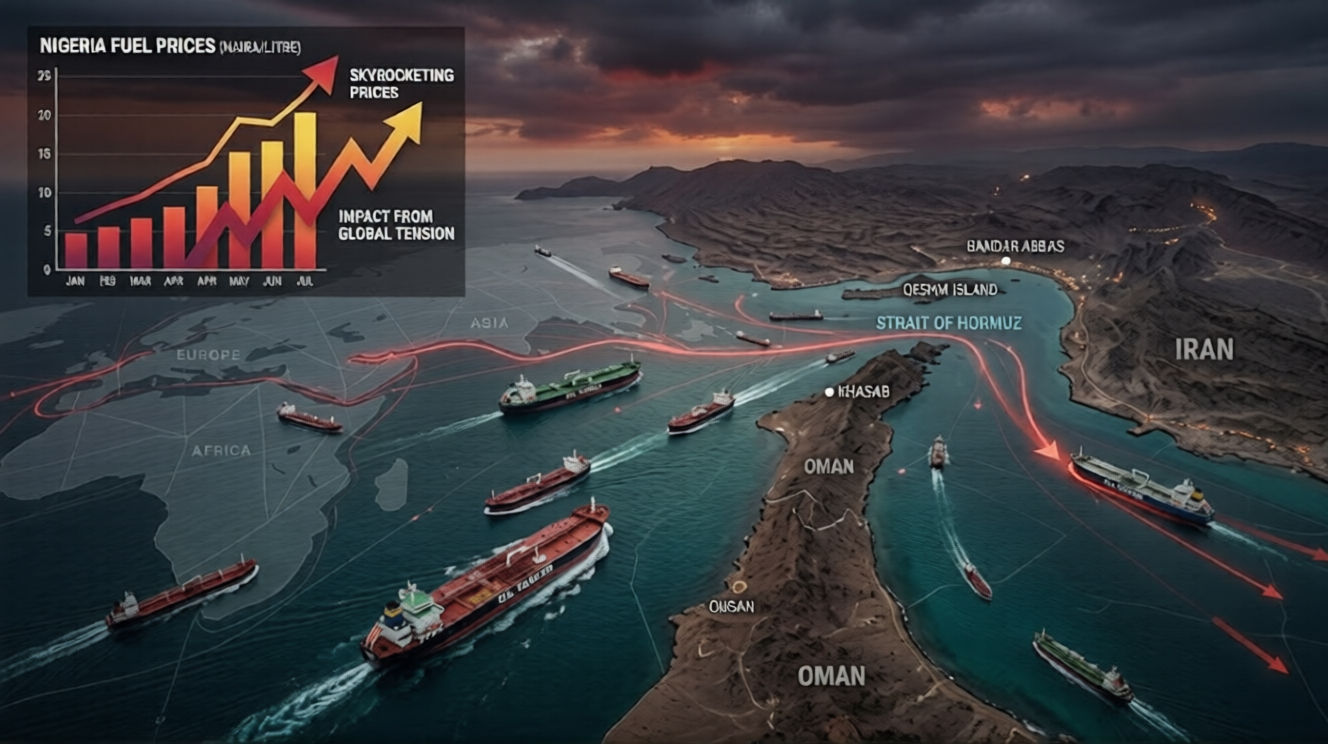
The visit comes just days after the United States and Iran announced a two-week ceasefire and the reopening of the Strait of Hormuz. While the agreement brought initial relief to global markets, tensions remain high, with both sides already accusing each other of violations.
What’s Happening in Islamabad Right Now
According to sources close to the talks, Vance is expected to meet with Pakistani officials and Iranian representatives over the next 48 hours. Pakistan is playing the role of neutral mediator in this delicate process.
The main goals appear to be:
- Ensuring safe and uninterrupted shipping through the Strait of Hormuz
- Establishing clearer rules to prevent accidental clashes during the ceasefire period
- Laying groundwork for longer-term negotiations
So far, the ceasefire has held in a shaky manner, but there have been reports of minor incidents and heated rhetoric from both capitals that are testing its stability.
Why This Matters to the Rest of the World
Even though the talks are happening far away in Pakistan, the outcome could affect millions of people globally.
The Strait of Hormuz is one of the most important energy routes on the planet. When shipping slowed down recently, oil prices spiked, pushing up fuel costs in many countries. A stable ceasefire and fully reopened strait should help bring some calm to energy markets in the short term.
For everyday readers — whether you’re filling up your car in Lagos, paying electricity bills in Mumbai, or running a business in São Paulo — lower and more predictable oil prices can eventually mean some relief on living costs.
The Fragile Nature of the Ceasefire
Many analysts are describing this two-week ceasefire as “paper-thin.” Both the US and Iran have continued to issue strong statements, and trust between the two nations remains extremely low.
The involvement of JD Vance, a key figure in the current US administration, shows how seriously Washington is treating this moment. On the Iranian side, the talks are being closely watched by Supreme Leader Ayatollah Khamenei’s inner circle.
Pakistan’s role as mediator is also significant. As a country with good relations with both sides (and a large Muslim population), it is one of the few nations that could potentially facilitate dialogue right now.
What Could Happen Next?
There are three likely scenarios over the next two weeks:
- Cautious Success — Both sides stick to the ceasefire, shipping returns to normal, and talks continue toward a longer agreement.
2. Fragile Stalemate — Minor incidents continue, but major escalation is avoided while negotiations drag on.
3. Breakdown — A serious violation occurs, causing oil prices to spike again and raising fears of wider conflict.
Most experts believe we are somewhere between cautious success and fragile stalemate for now.
The Bigger Picture
This moment highlights how quickly geopolitical events can shift. Just a week ago, the world was worried about a possible wider war in the Middle East. Today, there is cautious hope for de-escalation — but nobody is celebrating yet.
At GTVDaily, we’ll continue following these talks closely and explaining what they mean in simple terms — because decisions made in Islamabad today can eventually affect fuel prices, inflation, and stability in many parts of the world.
What do you think? Do you believe this ceasefire will lead to real progress, or is it likely to collapse once the two weeks are over? Share your thoughts respectfully in the comments below.
Sources: Reuters, AP News, BBC, Dawn (Pakistan), and GTVDaily editorial research.
Featured image AI-generated. Learn more here