Strait of Hormuz and Nigeria’s Rising Petrol Prices: What’s the Connection?
The Strait of Hormuz is one of the most important oil transit routes in the world. Events in this narrow waterway do not only affect global oil markets — they can also influence petrol prices in countries thousands of kilometres away, including Nigeria.
In recent years, tensions and disruptions around the strait have contributed to volatility in global crude oil prices. Because Nigeria participates in the international oil market, these global changes can eventually impact the cost of petrol within the country.
But how exactly does a distant oil route influence what Nigerians pay at the pump? Understanding the connection requires looking at how global oil supply chains work.
What Is the Strait of Hormuz?
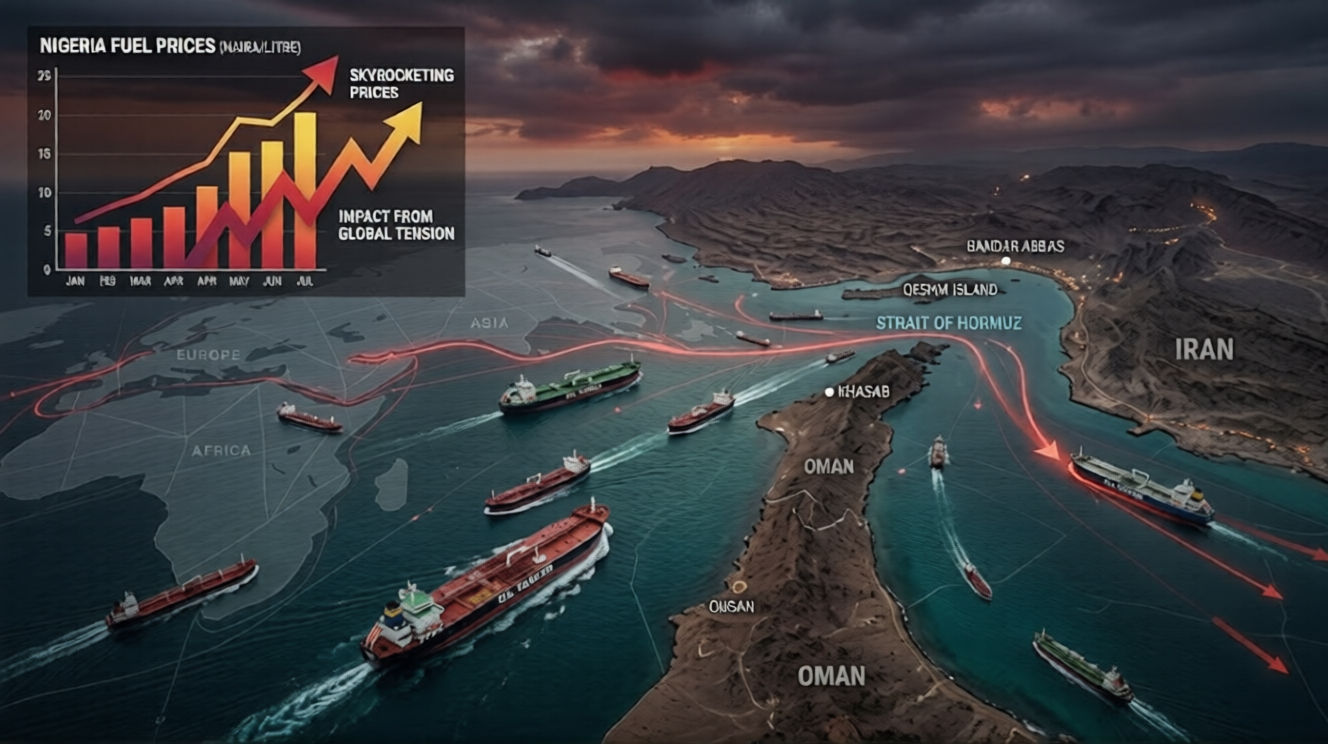
The Strait of Hormuz is a narrow passage located between Iran and Oman, linking the Persian Gulf to the Gulf of Oman and the Arabian Sea.
It is widely regarded as one of the most critical energy chokepoints in the world because a large portion of global crude oil shipments pass through it every day. Major oil-producing countries in the Persian Gulf rely on this route to transport crude oil to international markets.
Because of its strategic importance, any disruption — whether from geopolitical tensions, military activity, or shipping incidents — can quickly influence global oil supply and prices.
Why the Strait of Hormuz Matters to Nigeria
Although Nigeria is one of Africa’s largest crude oil producers, the country still relies heavily on global markets for petroleum pricing.
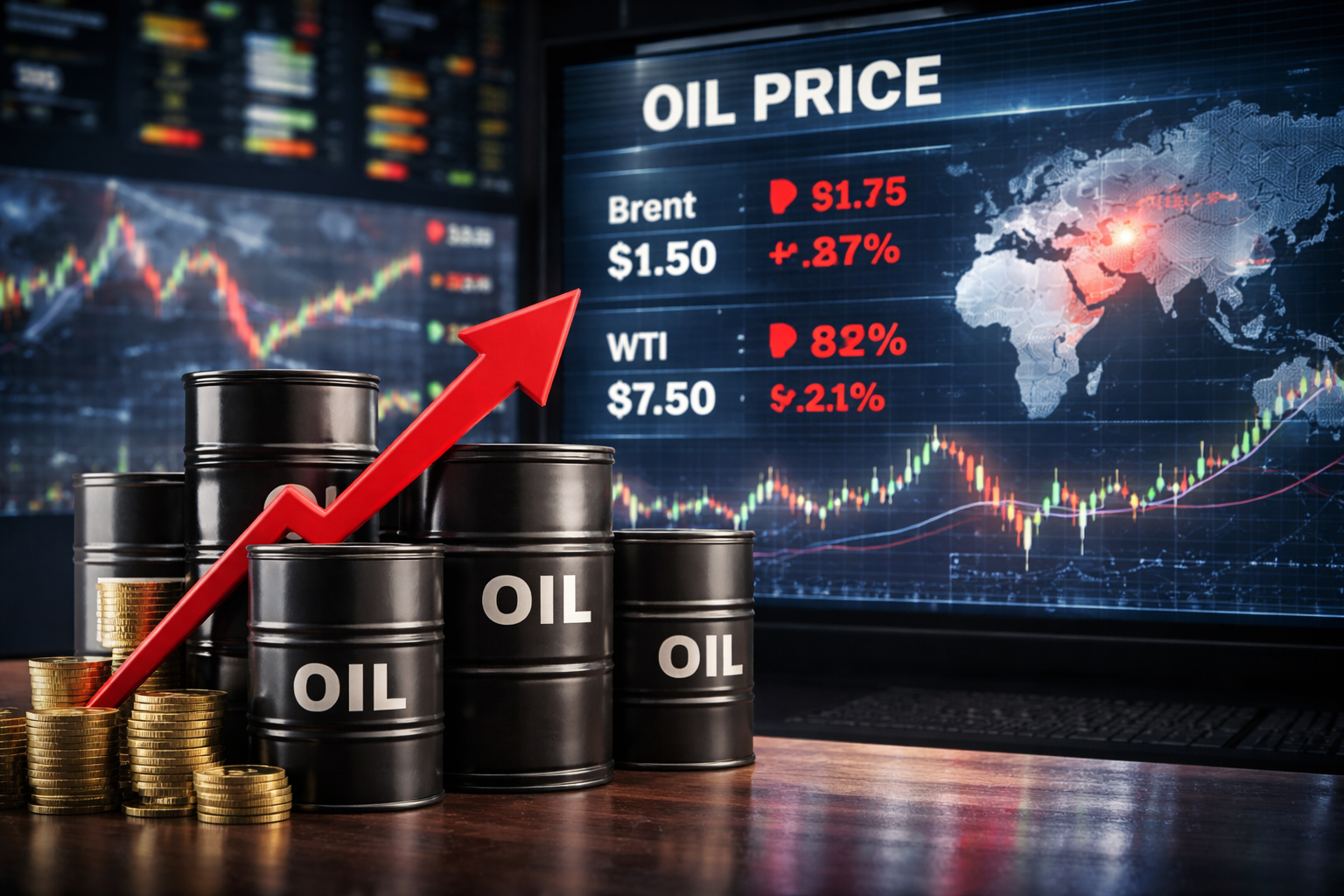
Nigeria’s crude oil is typically priced using international benchmarks such as Brent crude oil benchmark and West Texas Intermediate (WTI) crude oil benchmark. When tensions around the Strait of Hormuz cause global oil prices to rise, the effects are felt throughout the international energy market.
Since Nigeria exports crude oil but still imports a significant portion of refined petrol, changes in global crude prices can directly affect the cost of fuel sold locally.
Recent Developments Around the Strait of Hormuz
In recent years, the region surrounding the Strait of Hormuz has experienced several periods of geopolitical tension. Military activities, tanker incidents, and diplomatic disputes involving countries such as Iran, the United States, and regional allies have created uncertainty about oil shipments passing through the route.
Even when supply disruptions are temporary or limited, global markets often react quickly to the possibility of reduced oil supply. As a result, the price of Brent crude oil benchmark and other oil benchmarks can rise.
When crude oil prices increase globally, the cost of refined petroleum products such as petrol may also rise in countries that depend on international fuel markets.
How Rising Global Oil Prices Affect Petrol Prices in Nigeria
Several economic mechanisms explain how increases in global oil prices can influence petrol prices in Nigeria.
Increased Import Costs
When crude oil becomes more expensive internationally, the cost of refining petrol also increases. This can lead to higher prices for imported refined petroleum products.
Currency Exchange Pressure
When crude oil becomes more expensive internationally, the cost of refining petrol also increases. This can lead to higher prices for imported refined petroleum products.
Supply Chain Disruptions
Any delays or disruptions in international oil transportation can create competition among buyers for available supply, which may push fuel prices upward.
Inflationary Effects
Higher fuel prices can increase transportation and production costs, which may lead to higher prices for goods and services across the economy.
Impact on the Nigerian Economy
Petrol price increases can have wide-ranging effects on Nigeria’s economy.
Household Budgets
Rising fuel prices can reduce disposable income for households as more money is spent on transportation and energy.
Transportation Sector
Public transportation operators often adjust fares when petrol prices increase, affecting commuters.
Business Operations
Businesses that rely on fuel for transportation, power generation, and logistics may experience increased operating costs.
What Consumers Can Do
Although individuals cannot control global oil markets, there are ways to reduce the financial impact of rising petrol prices.
- Use fuel-efficient vehicles where possible
- Reduce unnecessary travel
- Consider carpooling or public transportation
- Monitor fuel price trends to better plan expenses
Other Factors Contributing to Rising Petrol Prices in Nigeria
While global oil routes like the Strait of Hormuz play a role, several domestic and international factors also influence petrol prices in Nigeria.
Rising Global Crude Oil Prices
Global crude oil prices have experienced significant fluctuations in recent years, occasionally exceeding $100 per barrel. When crude prices rise globally, the cost of producing refined petroleum products increases.
Geopolitical Tensions in the Middle East
Conflicts and diplomatic tensions in the Middle East — particularly involving United States, Israel, and Iran — can create uncertainty in oil markets. Because the Strait of Hormuz is located in this region, instability can affect global oil supply.
Foreign Exchange Pressures
Many international oil transactions are conducted in U.S. dollars. When the naira fluctuates against the dollar, the cost of importing and distributing petrol may increase.
Import and Logistics Costs
Even with growing refining capacity, including facilities such as the Dangote Refinery, the petroleum industry still faces costs related to shipping, insurance, and financing.
Deregulation of the Petroleum Market
Nigeria has gradually transitioned toward a deregulated petroleum market, where fuel prices are influenced more by market forces than by government subsidies. This means global oil price movements can now have a more direct impact on pump prices.
Conclusion
The Strait of Hormuz may be located far from Nigeria, but its importance in global oil transportation means events in the region can influence international energy markets.
Because Nigeria participates in these global markets — exporting crude oil while still relying partly on imported refined petroleum products — developments around key oil routes can eventually affect petrol prices within the country.
Understanding these global connections helps explain why fuel prices sometimes rise even when the cause originates far beyond Nigeria’s borders.
Featured image AI-generated. Learn more here