On Friday, a federal judge in Massachusetts handed the Trump administration a sharp legal defeat. Judge Angel Kelley ordered the restoration of all national park signs and exhibits that had been altered or removed under a Trump executive order — signage covering everything about slavery, climate change, Native American history, abolition, immigration, labor, women’s suffrage and civil rights.
The ruling wasn’t gentle. Kelley accused the administration of trying to “share a limited history” by removing exhibits that didn’t fit its preferred narrative, calling it “telling half-truths.” She gave the government until July 3 — just ahead of America’s 250th birthday — to comply, and blocked any further changes. The administration was also ordered to file weekly progress reports proving it was complying.
The Interior Department wasn’t happy. A spokesperson dismissed Kelley as “a liberal activist judge” and hinted at an appeal. But here’s the part that matters most: nobody is suggesting the administration will simply ignore the order. They can grumble, they can appeal — but the machinery of compliance is already turning. Park staff will start restoring signs. Reports will be filed. That’s how the system is supposed to work, even when the most powerful man in the world is on the losing side.
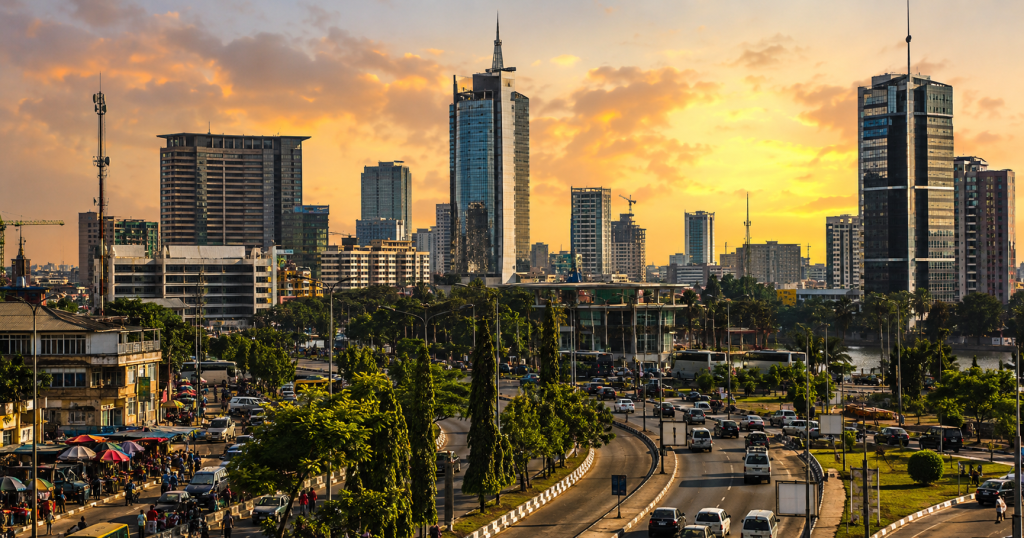
Now imagine this happened in Nigeria.
Picture a Nigerian court ordering the federal government to reverse a controversial policy within 21 days, with weekly compliance reports to follow. How confident would you be that it actually happens?
If you’ve followed Nigerian politics over the past decade, you already know the answer — and it isn’t reassuring.
Take the case of Omoyele Sowore, the activist and former presidential candidate. In August 2019, the DSS arrested Sowore and secured a 45-day detention order. But just before that order expired, instead of releasing him, the Attorney-General’s office filed fresh charges — treasonable felony, cybercrime, money laundering. Even after a Federal High Court ordered his release, the DSS still hadn’t complied a week later.
Or take the case of Sheikh Ibraheem El-Zakzaky and his wife. They were arrested in December 2015, and despite a federal court ordering their release in December 2016, they remained in detention without trial for over 17 months.
Then there’s former National Security Adviser Sambo Dasuki. Courts granted him bail on at least six separate occasions, but the government simply refused to comply each time. It escalated to the international level: when the ECOWAS Court ordered Nigeria to pay Dasuki damages for illegal detention, the Attorney-General publicly stated the government wasn’t obligated to honor that ruling.
These aren’t isolated incidents. Amnesty International’s legal adviser estimated that the Buhari government ignored Nigerian judges on at least 40 separate occasions, describing it as a “stunning disregard for the rule of law.”
And perhaps the most revealing moment came not from an action, but from words. At the 2018 Nigerian Bar Association conference, President Buhari told a gathering of lawyers that national security should take precedence over the rule of law. Said plainly: when the court’s decision is inconvenient, the government will decide for itself whether to listen.
This is the real difference.
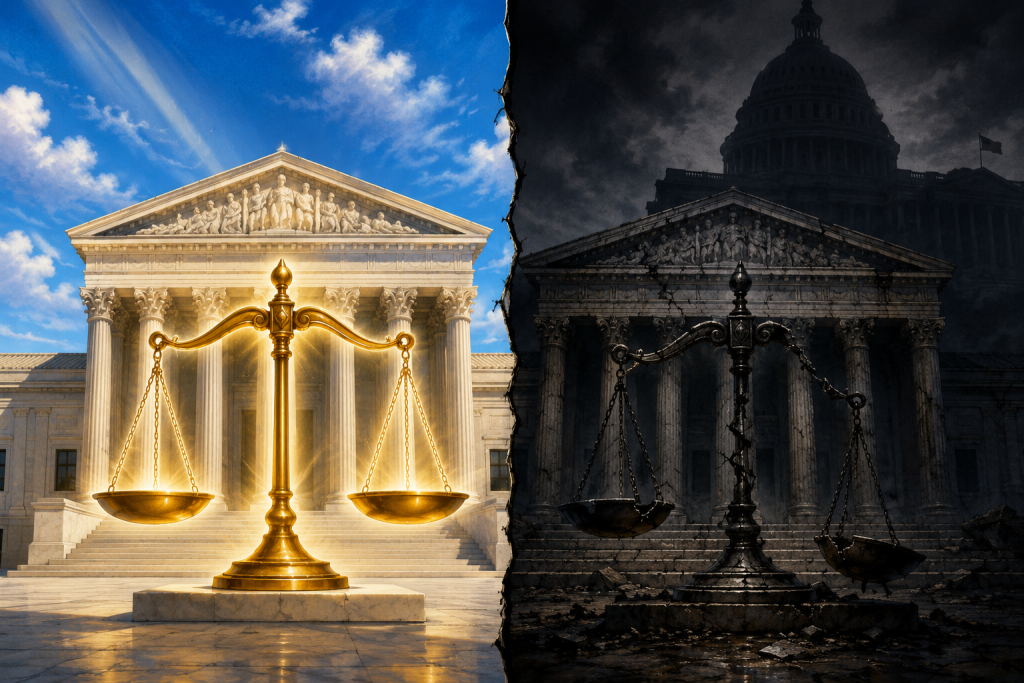
It isn’t that American institutions are perfect — they aren’t. The Trump administration is openly fighting this ruling and may well appeal it. But the expectation is that whatever the courts ultimately decide, the government will comply. That expectation is baked into the system, reinforced by media scrutiny, an independent judiciary with teeth, and a political culture where openly defying a court order would be a scandal, not a Tuesday.
In Nigeria — and in too many parts of Africa — that expectation simply doesn’t exist in the same way. Court orders are treated as suggestions, especially when they touch the interests of those in power. The cases that “win” tend to be ones with little real consequence. The cases that matter — release a political prisoner, return a bailed-out official’s freedom, pay a ruling against the state — are the ones most likely to be ignored, delayed, or quietly buried.
Why does this matter to you?
Because the rule of law isn’t an abstract legal concept — it’s the difference between living in a country where your rights mean something on paper and in practice, versus a country where they only mean something when those in power feel like honoring them.
Every time a Nigerian court order is ignored without consequence, it teaches a lesson — to officials, to security agencies, to ordinary citizens — that the law is negotiable for the powerful. That lesson doesn’t stay contained. It seeps into how police treat citizens, how landlords treat tenants, how the powerful treat the powerless in a thousand small interactions every single day.
True democracy isn’t just about elections. It’s about whether a judge’s signature on a piece of paper can actually move a government — even when that government doesn’t want to move. America just got a small reminder of what that looks like. Until Nigeria and much of Africa can say the same with confidence, “democracy” will remain a word we use more often than we practice.
Disclaimer: Opinion/Analysis Piece — This article reflects the personal views and analysis of the author based on public records and documented events. It does not constitute legal advice.