Hormuz Tensions Rise Again: Iran Re-Closes Strait, US Seizes Ship — How It Could Affect Fuel Prices in Nigeria
Fresh Tensions in the Gulf of Oman
The situation in the Strait of Hormuz continues to evolve, and new developments reported today, Sunday April 19, 2026, are once again drawing attention to this vital shipping route and its potential effects on energy markets, including in Nigeria.
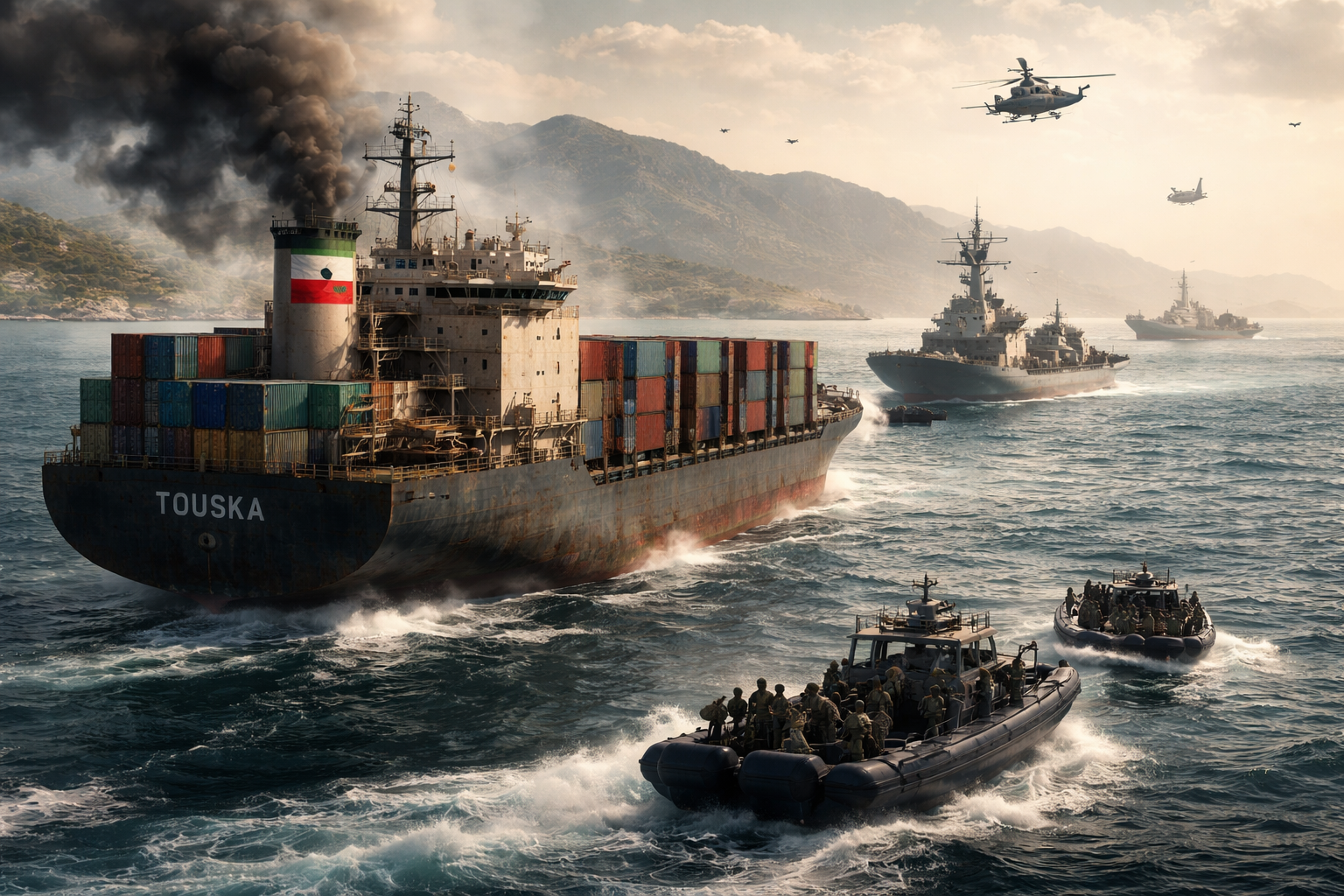
President Donald Trump announced on Truth Social this afternoon that US forces intercepted and seized an Iranian-flagged cargo ship named TOUSKA in the Gulf of Oman. According to the statement, the guided-missile destroyer USS Spruance issued warnings for the vessel to stop. When the ship did not respond as requested, US forces said they disabled its engine before Marines boarded and took custody. The vessel was already listed under US Treasury sanctions.
This marks the first reported boarding action since the US established its naval blockade on Iranian ports. It comes amid ongoing sensitivities in the region.
Yesterday, Iran reversed its earlier announcement and reasserted control over the Strait of Hormuz, just one day after indicating the waterway would be open to commercial traffic. Iranian authorities have stated that vessels attempting to pass without proper authorization would face strict enforcement. Reports also mention security incidents involving at least two Indian-flagged vessels, prompting several ships to turn back or change course.
Iran has explained the move as a response to the continued US blockade on its ports, describing the situation as a breach of trust. On the other side, President Trump has indicated that pressure will remain in place until a wider agreement is reached.
Why the Strait of Hormuz Matters
As of today, shipping activity through this narrow passage — which normally handles around one-fifth of the world’s seaborne oil — remains limited. Insurance costs for tankers in the area have increased, and some vessels are rerouting or delaying their journeys.
What This Means for Oil Prices
The recent developments have contributed to fluctuations in crude oil prices. Earlier hopes from the brief reopening helped ease some pressure on Brent crude, but the latest restrictions and the reported ship seizure have renewed attention on possible supply challenges.
How This Could Affect Nigeria
For Nigeria, movements in global oil prices often present both opportunities and challenges. A rise in crude prices could bring additional revenue into the Federation Account, particularly with President Bola Tinubu having recently signed the ₦68.32 trillion 2026 Appropriation Bill. Extra funds above the budgeted oil price benchmark might support debt servicing or selected capital projects.
At the same time, Nigeria continues to import a significant share of its refined petroleum products. Increases in international shipping costs or delays can raise landing expenses at local depots, which may eventually influence pump prices and add pressure on households already managing inflation and living costs.
Could Dangote Refinery Cushion the Shock?
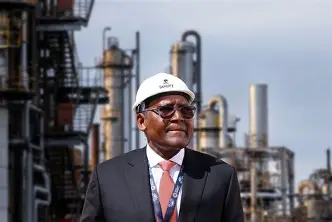
The Dangote Refinery provides potential for greater long-term stability in domestic supply. However, in the near term, shifts in global energy markets tend to reach everyday Nigerians first — through fuel costs, transportation fares, or broader price changes.
Why India’s Reaction Also Matters
India has expressed concern following the incidents involving its flagged vessels and has engaged diplomatically with Iran. As an important trading partner for Nigeria, any larger effects on Asian shipping routes could indirectly influence the movement of goods to and from Nigeria.
What Happens Next?
Discussions involving Pakistan and other parties are continuing, though positions on both sides appear quite apart for now. Ceasefire timelines in related regional matters are also approaching, leaving uncertainty about whether the current naval situation will ease or see further developments.
At present, the matter remains fluid, with oil traders, shipping firms, and governments monitoring updates closely.
Final Thoughts
At gtvdaily.com, we will continue to track this story and examine what it could mean for Nigeria in practical terms. Might petrol prices see upward movement at filling stations in the weeks ahead? Or could any additional oil revenue offer the government some flexibility?
Feel free to share your views in the comments: Do you see higher crude prices as more helpful or challenging for Nigeria at this time? Would it be better to save any extra funds or apply them right away?
This is a developing story as of April 19, 2026. We will provide updates as more information becomes available from Washington, Tehran, or the Gulf region.
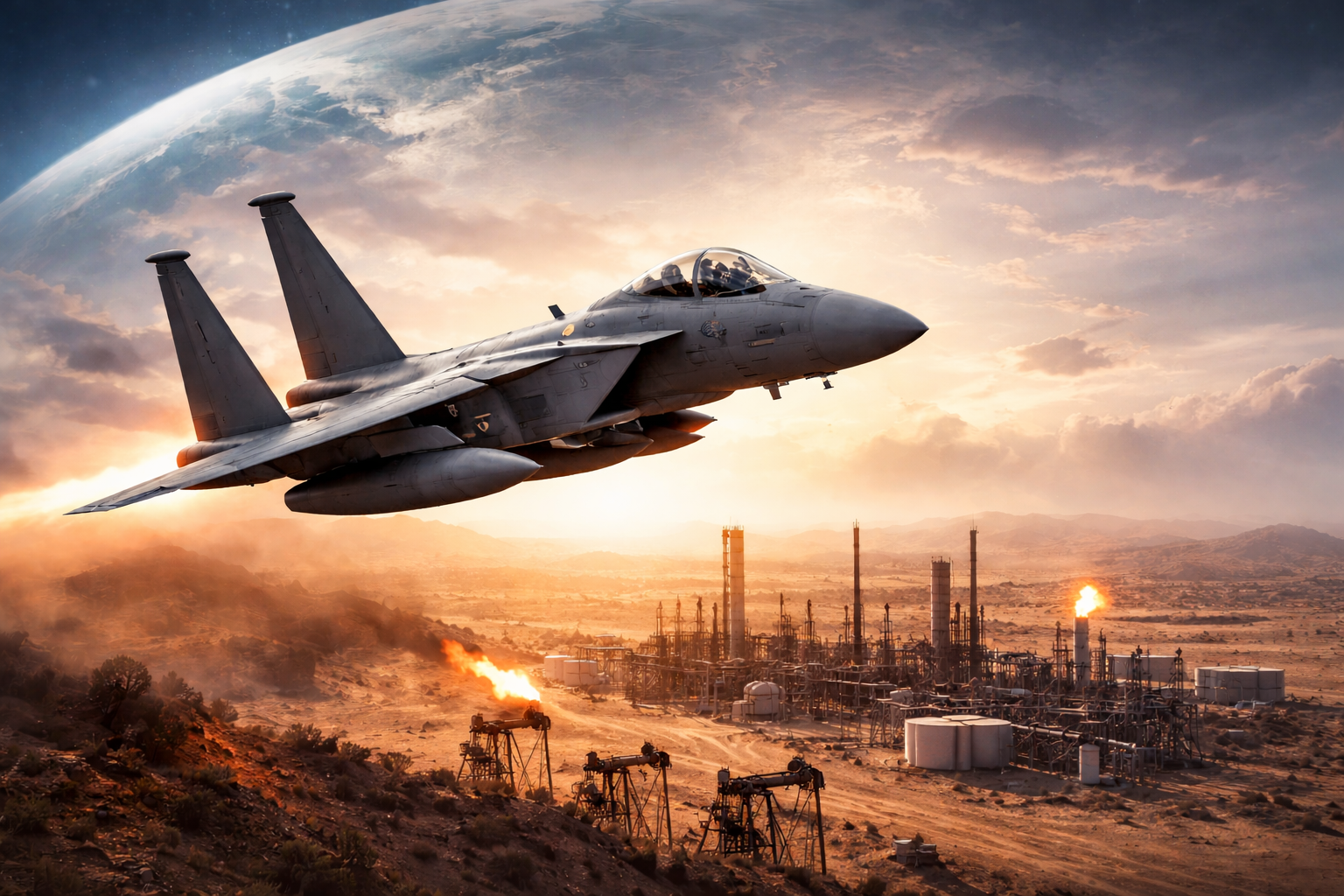
Featured image AI-generated. Learn more here